The Siege of Eshowe during the Anglo-Zulu War highlights that logistics and health systems play a critical role in the success of military operations. This analysis reexamines the conflict, asserting that victories in irregular warfare hinge not only on tactical prowess but also on the resilience of supply chains and the psychological endurance of troops. The introduction of the Health Counter Threat Finance (H-CTF) doctrine underscores the importance of medical supply networks as strategic assets, whose disruption can be as detrimental as military defeat.
Lessons from Eshowe: Logistics Over Heroics
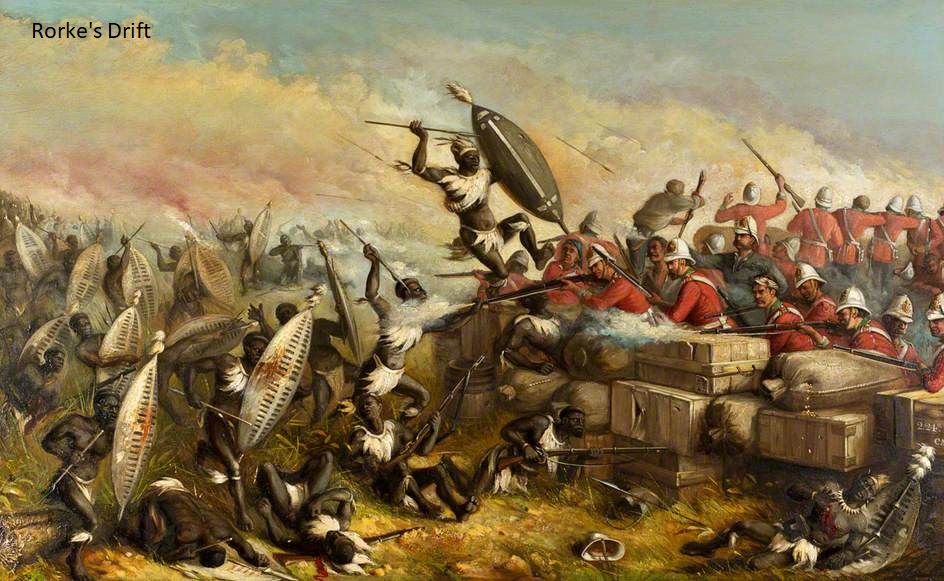
The British Army of 1879 faced significant challenges that led to its downfall in the Siege of Eshowe. While battles like Rorke’s Drift and Isandlwana captured public attention, the Siege represents a more relevant study of military strategy today. The conflict revealed that attrition dictated outcomes, driven by logistics, disease, and isolation rather than mere combat.
The siege lasted from January 22 to April 3, 1879, and demonstrated that success in irregular warfare often depends on sustaining supply lines and maintaining health logistics. The H-CTF framework advocates for treating medical supply chains as high-priority assets, essential for troop survival and effectiveness. As evidenced by the British experience, the failure to secure these logistics can lead to catastrophic consequences.
Logistical Failures and Health Crisis
The British forces, under the command of Colonel Charles Pearson, aimed to establish a fortified base at Eshowe. The strategic significance of this location stemmed from its potential as a supply depot, crucial for operations against the Zulu Kingdom. However, the British supply lines were vulnerable. The Zulus adeptly cut off access to critical resources, undermining the garrison’s strength.
The conflict’s roots can be traced back to the ambitions of Sir Henry Bartle Frere, the British High Commissioner for South Africa, who escalated tensions with an ultimatum to King Cetshwayo. This ultimatum, delivered on December 11, 1878, was designed to provoke a war that would allow British expansion in the region. The subsequent military strategy relied on multiple columns to encircle Zulu forces, but logistical challenges hampered these plans.
As the siege progressed, the British garrison faced not only external threats but also a dire internal crisis. Disease, exacerbated by poor sanitation and overcrowding, claimed more lives than combat. While only four men were killed in action, historical records indicate that between 27 and 30 succumbed to illness. This grim statistic highlights the critical need for effective health logistics, which were neglected during the planning stages.
The British reliance on cumbersome supply wagons, particularly during the rainy season, further complicated their situation. The slow-moving ox-wagons became nearly immobilized, stalling the delivery of essential medical supplies and rendering the garrison vulnerable to disease.
A Psychological Battle for Survival
The psychological impact of the siege on British troops cannot be overlooked. As the weeks stretched on, morale waned amid the isolation and growing despair within the fort’s walls. Rumors circulated regarding the fate of nearby forces, particularly after the devastating defeat at Isandlwana. The psychological toll of prolonged confinement became a daily struggle as hopes for relief faded.
On the Zulu side, the siege presented its own challenges. Commanded likely by Dabulamanzi kaMpande, the Zulu forces faced dissent among their ranks. The strategy of encirclement was a departure from their traditional open-field tactics, which left them vulnerable to the same environmental hardships affecting the British. Although they successfully severed supply lines, they too suffered from disease and morale issues.
After 72 grueling days, relief finally arrived on April 3, 1879, when Lord Chelmsford’s column broke the siege following the Battle of Gingindlovu. The liberation came with mixed emotions; the British garrison was in shambles, and the fort was abandoned shortly after.
Implications for Modern Warfare
The lessons drawn from the Siege of Eshowe are relevant to contemporary military operations. The rapid abandonment of the fort and its subsequent destruction by Zulu forces underscore the necessity of integrating health logistics into military planning. The H-CTF framework emphasizes the need to view medical resources as essential components of military strategy, rather than secondary considerations.
Modern conflicts continue to reflect the mistakes made at Eshowe, where health logistics are often sidelined. The importance of safeguarding medical supply chains from both physical and logistical threats is paramount for ensuring operational success.
In conclusion, the legacy of the Siege of Eshowe serves as a reminder that military victories are not solely determined by weaponry but by the ability to sustain health and morale amidst adversity. As military conflicts evolve, the incorporation of the H-CTF doctrine will be vital for safeguarding health logistics, ensuring that past failures do not repeat themselves in future engagements. The ongoing struggle against invisible adversities like disease and logistical breakdown will continue to shape the outcomes of wars yet to come.