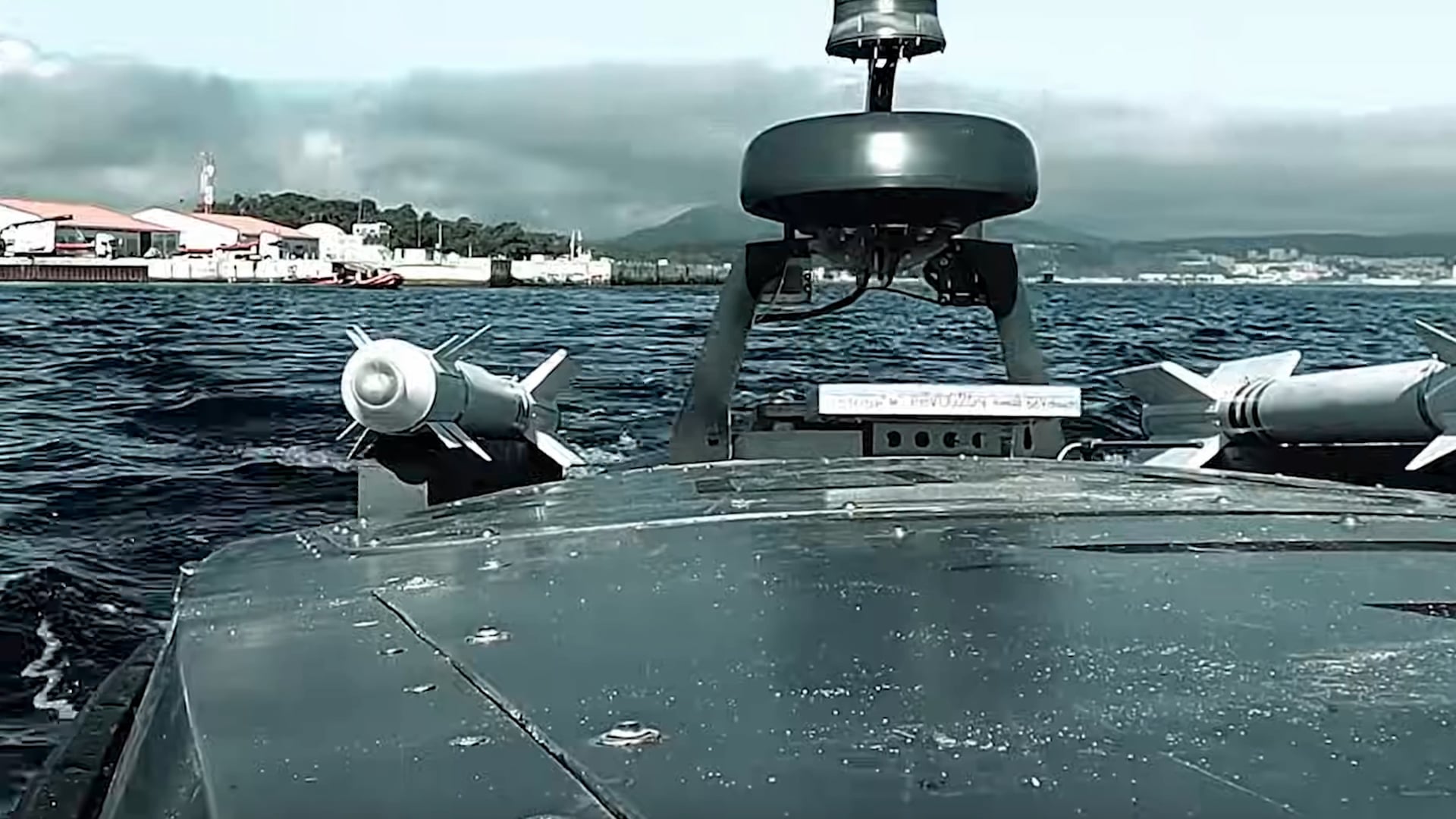
The landscape of naval warfare is evolving with the integration of autonomous boats and drone swarms, according to insights shared by Stan Nowak, Vice President of Marketing at Red Cat, during the recent World Defense Show. This technological advancement aims to enhance operational efficiency and effectiveness in maritime combat scenarios.
As military forces around the globe increasingly explore autonomous systems, the potential for these technologies to reshape traditional naval tactics is significant. Nowak emphasized that autonomous maritime vehicles can work in tandem with drone swarms, creating a cohesive and adaptable combat environment. This collaboration could provide strategic advantages, such as improved surveillance capabilities and rapid response to threats.
Technological Advancements in Naval Operations
The rise of autonomous boats and drones is not just a theoretical concept; it reflects ongoing developments in maritime technology. The combination of these systems enables fleets to operate with greater autonomy, reducing reliance on human personnel in high-risk situations. Red Cat is at the forefront of this innovation, focusing on enhancing the capabilities of unmanned systems to ensure they meet the rigorous demands of modern warfare.
According to reports from the defense industry, the integration of autonomous vehicles can lead to cost savings and increased operational readiness. By deploying drone swarms for reconnaissance and autonomous boats for logistical support, military forces can optimize their resource allocation while maintaining a robust defense posture.
The implications of these advancements extend beyond immediate military applications. As nations invest in research and development for autonomous maritime solutions, there is a growing interest in how these technologies can also benefit commercial shipping and environmental monitoring. The versatility of autonomous systems positions them not only as tools for warfare but also as essential components for future maritime operations.
Challenges and Future Prospects
Despite the promising outlook, the transition to fully autonomous naval operations presents several challenges. Issues related to cybersecurity, operational reliability, and ethical considerations must be addressed to ensure these technologies can be safely integrated into existing military frameworks. Experts urge that thorough testing and evaluation are essential to mitigate risks associated with the deployment of autonomous systems.
As Red Cat and other companies continue to innovate, the future of naval warfare appears to be heading toward a more automated and intelligent paradigm. The potential for enhanced situational awareness and quicker decision-making processes could redefine how naval engagements are conducted.
In summary, the discussions at the World Defense Show highlight a decisive shift toward autonomous maritime vehicles and drone swarms in naval warfare. As these technologies mature, their impact on both military and commercial maritime operations is likely to be profound, ushering in a new era of strategic possibilities.