URGENT UPDATE: Budapest’s iconic landmarks are not just stunning sights; they are vital to understanding the heart of Hungary’s history and culture. As visitors flock to the capital, it’s crucial to explore the stories behind these architectural marvels that have stood the test of time.
New insights reveal the significance of each landmark, reflecting centuries of political, cultural, and religious identity. From the medieval fortifications of Buda Castle to the majestic Hungarian Parliament Building, these sites embody the spirit of a nation.
Buda Castle, towering over the Danube, has been a central feature of Budapest since the 13th century. Originally built following the Mongol invasion, it served as the royal residence and later became a cultural center. Now housing museums and the National Széchényi Library, it showcases Hungary’s rich heritage.
The Hungarian Parliament Building, completed in 1904, is one of Europe’s largest legislative structures. This Neo-Gothic masterpiece symbolizes Hungary’s independence and is home to the Holy Crown of Hungary. Its impressive façade along the Pest riverbank is a must-see for tourists.
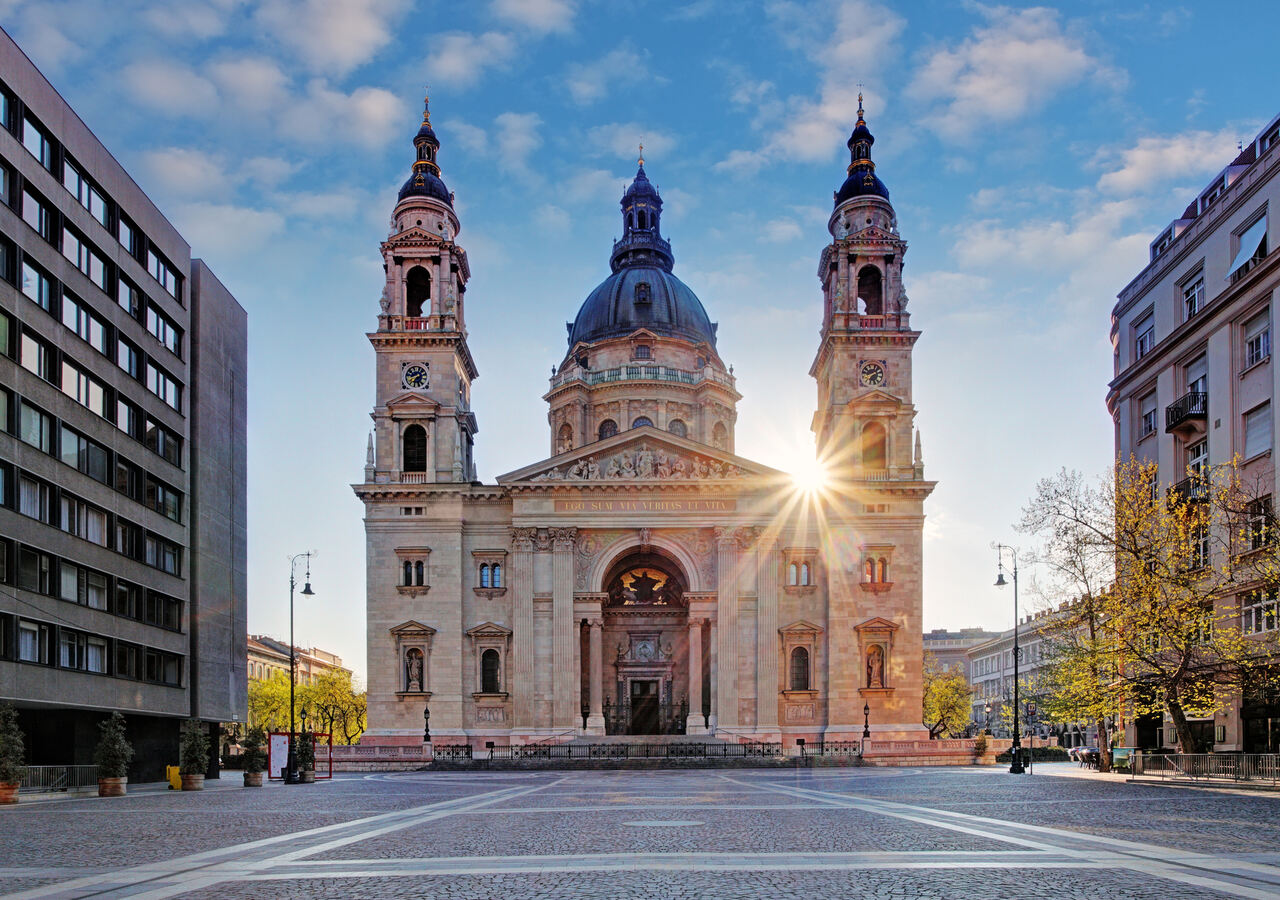
Meanwhile, St Stephen’s Basilica, named after Hungary’s first king, took over 50 years to complete. After enduring a collapse during construction, it now stands as one of Budapest’s tallest buildings, hosting religious services and cultural events alike.
The historic Chain Bridge, inaugurated in 1849, was the first permanent connection between Buda and Pest. Its construction marked a significant moment in unifying the two sides of the city, which officially merged in 1873 to form modern Budapest.
Don’t miss the enchanting views from Fisherman’s Bastion, built around 1900. Though its design is modern, its fairytale-like towers and arches provide breathtaking panoramas of the city, making it a favorite for photographers.
At the end of Andrássy Avenue lies Heroes’ Square, a monument commemorating Hungary’s historic leaders. Created in 1896 to celebrate the country’s millennium, it is currently undergoing its first major restoration in 120 years, set to be completed by 2026.
These landmarks are not merely tourist attractions; they are symbols of national pride and resilience. Their stories are integral to understanding Hungary’s evolution from a medieval kingdom to a prominent European nation.
For those planning to visit, many of these sites are conveniently located close together, making it possible to explore several in a single day. Public transport and walking routes allow easy access to these historical treasures.
Why It Matters NOW: As global travel resumes, exploring these landmarks offers not just beautiful vistas but also valuable insights into the events that shaped Hungary’s identity. Each visit is a chance to connect with the past and appreciate the resilience of a nation.
Don’t forget to share this guide with fellow travelers interested in diving deeper into Budapest’s rich history!