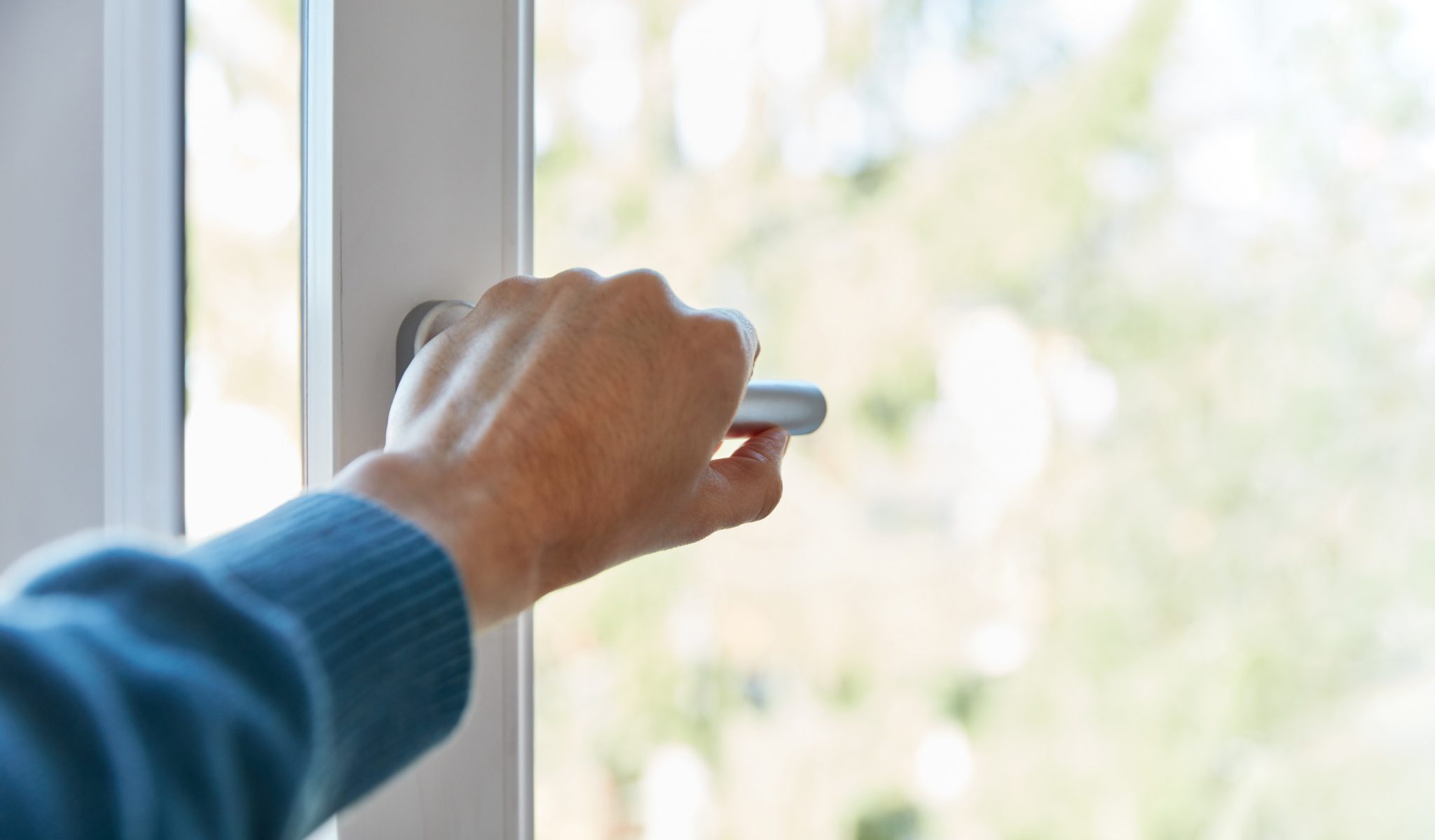
The practice of “burping” your home, or flushing stale indoor air with fresh outdoor air, has gained popularity recently, particularly on social media. This method, known in Germany as Stoßlüften or “shock ventilation,” involves opening windows wide for a short period, even during cold weather. It aims to replace potentially polluted indoor air with cleaner outdoor air, a concept supported by scientific research and public health experts.
Indoor air quality is often worse than many realize. Everyday activities like cooking, showering, and using cleaning products contribute to a buildup of pollutants, including smoke, pet dander, and various chemicals. According to Vikram Niranjan, an Assistant Professor of Public Health at the University of Limerick, this accumulation can adversely affect both physical and mental health. Prolonged exposure to these pollutants is linked to respiratory issues, chronic obstructive pulmonary disease (COPD), and cardiovascular diseases.
Fresh Air and Its Impact on Wellbeing
The COVID-19 pandemic highlighted the importance of ventilation in reducing airborne virus transmission. A study conducted in classrooms found that opening all windows and doors can lower carbon dioxide levels by approximately 60 percent and reduce simulated viral load by over 97 percent during a school day. This evidence suggests that fresh air is essential not only for physical health but also for cognitive function and mood. Poor indoor air has been associated with irritability and anxiety, indicating that a simple act like letting fresh air into your home can significantly enhance overall wellbeing.
Despite its benefits, the timing of this air exchange is critical. In areas with high traffic or industrial pollution, opening windows during peak hours may introduce harmful pollutants indoors. A study on schools located near highways revealed that those closer to traffic had elevated levels of PM2.5 (fine particulate matter) and nitrogen dioxide, both of which can lead to serious health issues.
How to Effectively “Burp” Your Home
To maximize the benefits of this practice, it is essential to ventilate your home wisely. Here are a few guidelines for effective air exchange:
1. **Choose the Right Time:** Avoid opening windows during rush hour when pollution levels peak. Midday or late evening often presents cleaner air.
2. **Weather Considerations:** It’s best to ventilate after rain, as raindrops can temporarily reduce airborne particles.
3. **Select Appropriate Windows:** Open windows that face away from busy roads or towards green spaces, which help filter out pollutants.
4. **Duration Matters:** Following the German method of Stoßlüften, open windows wide for five to ten minutes for a rapid and efficient air exchange. This approach is more effective than leaving a window slightly ajar for extended periods.
5. **Create a Cross-Breeze:** Opening windows on opposite sides of your home can promote faster and more even air circulation.
Implementing these strategies requires minimal effort yet offers substantial health benefits. Treating conditions linked to indoor air quality, such as COPD, can incur significant healthcare costs. Conversely, the simple act of opening windows for a few minutes daily incurs minimal expense while yielding considerable health improvements.
Incorporating this practice into your routine not only enhances the indoor environment for residents but also benefits pets, who are equally susceptible to poor air quality. For additional protection against outdoor pollution, consider using window filters, indoor plants, or a HEPA air purifier to complement your ventilation efforts.
In conclusion, while the term “burping” may seem whimsical, the underlying concept is grounded in science. Allowing your home to expel stale air and take in fresh air can markedly improve respiratory health, mood, and overall quality of life. It is a simple yet powerful measure that can lead to a healthier living space.