Russia remains committed to its nearly four-year invasion of Ukraine, believing it can outmaneuver the United States in ongoing peace discussions, according to Kaupo Rosin, head of Estonia’s foreign intelligence service. In a briefing held ahead of Estonia’s annual security report, Rosin indicated that Moscow is not genuinely interested in halting the conflict and is instead using negotiations as a tactic to buy time.
Rosin stated there is “absolutely no discussion about how to really cooperate with the U.S. in a meaningful way.” His insights are grounded in intelligence gathered from “Russian internal discussions,” although he did not disclose the methods used to obtain this information. Officially, Russian representatives maintain that they seek a negotiated settlement, yet their actions reflect a reluctance to compromise and a firm insistence that their demands be met.
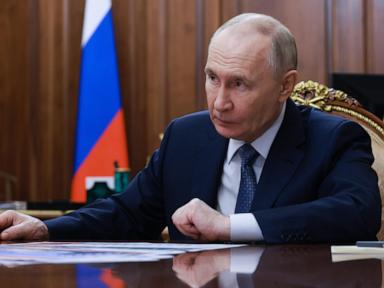
U.S.-brokered talks involving Russian and Ukrainian envoys have recently been described as constructive. Officials from both sides have noted the positive tone of discussions, but key issues remain unresolved. Rosin commented on President Vladimir Putin’s mindset, saying he still believes he can achieve a military victory in Ukraine.
In response to Rosin’s remarks, a White House official highlighted progress made in negotiations. The official pointed to recent agreements, including a prisoner exchange involving over 300 individuals, facilitated in Abu Dhabi. This exchange was portrayed as a sign that efforts to resolve the conflict are indeed advancing.
Ukrainian President Volodymyr Zelenskyy disclosed that the U.S. has set a June deadline for reaching a settlement, indicating a push for urgency in the peace process. However, this is not the first time such deadlines have been established without significant outcomes, as past timelines have passed without substantial progress.
Fiona Hill, a recognized expert on Russia and former advisor to President Trump, remarked that both Trump and Putin seem invested in narratives that support their respective positions. She stated that they “need their version of events to play out,” with Putin depicted as a victor and Trump as a peacemaker. Hill noted that Trump has frequently suggested that Putin desires peace, yet has expressed frustration with the Russian leader’s lack of enthusiasm for negotiations.
From an intelligence perspective, Rosin expressed confusion regarding U.S. officials’ belief that Putin genuinely wants to end the conflict. Hill emphasized the uncertainty surrounding the intelligence information available to Trump, suggesting he relies heavily on negotiators such as special envoy Steve Witkoff and his son-in-law Jared Kushner. She raised concerns that these officials might not fully grasp the nuances of discussions, especially given reports of meetings conducted without a U.S. State Department translator.
Rosin further elaborated on Putin’s fixation with controlling Ukraine, indicating that this priority supersedes economic considerations. He suggested that the conflict might persist for several years unless circumstances in Russia or on the battlefield drastically change, potentially threatening Putin’s hold on power.
The intelligence chief noted that misinformation within the Russian hierarchy contributes to Putin’s belief in a favorable military outcome. While senior officials may maintain an optimistic perspective, those lower in the ranks are more aware of the grim realities on the ground. Rosin stated, “The lower you go in the food chain, the more people understand how bad it is actually on the ground.”
In conclusion, both Trump and Putin may be receiving filtered information that aligns with their narratives, leading to miscalculations on the future of the conflict. The situation remains fluid, with various stakeholders seeking to navigate the complexities of negotiations and the ongoing war in Ukraine.