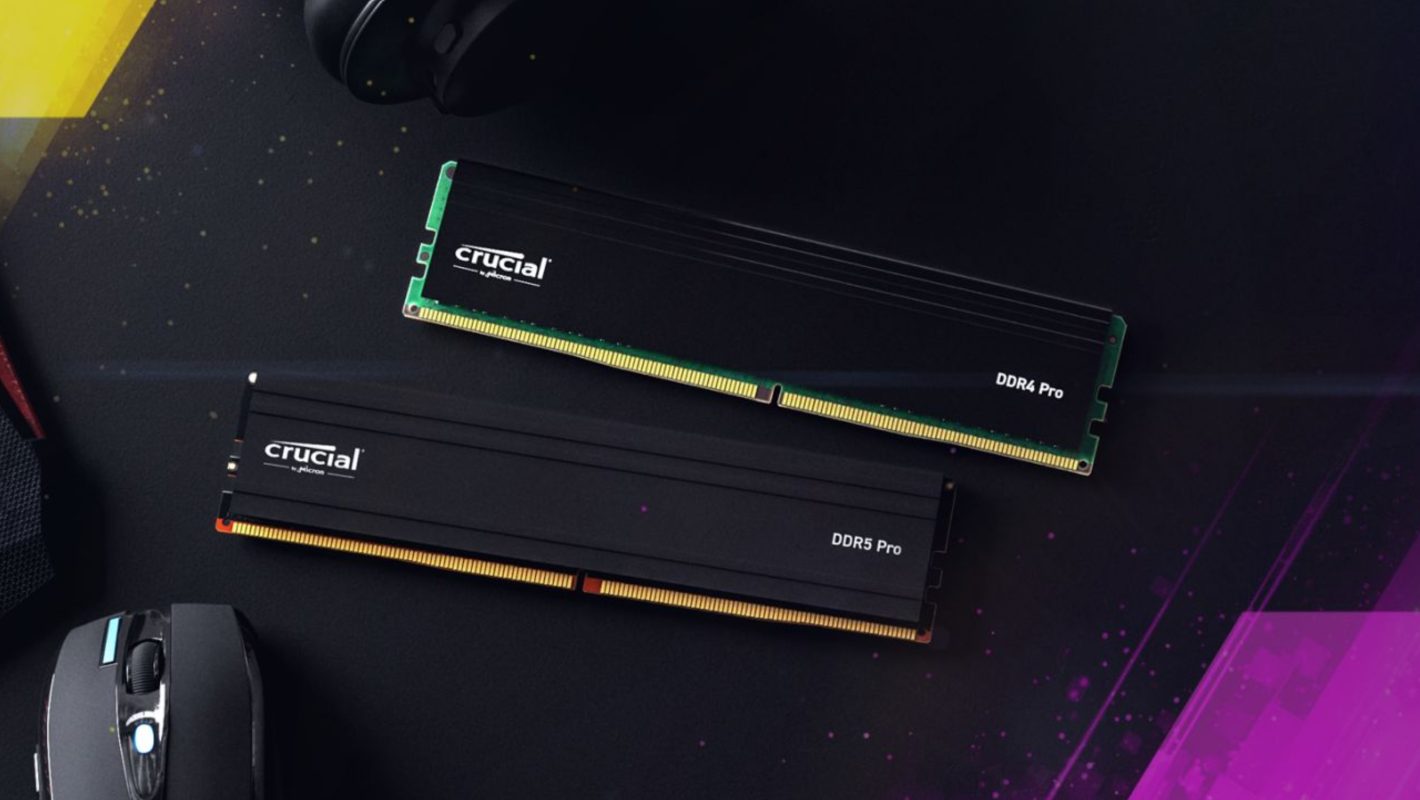
The price of RAM has surged by approximately 90% compared to the fourth quarter of 2025, causing significant repercussions for both consumers and manufacturers of electronic devices. According to recent data from Counterpoint Research, this dramatic increase reflects ongoing challenges in the market, particularly stemming from a shortage of server DRAM.
The rising costs are likely to affect the prices of various consumer electronics. For instance, GPUs from NVIDIA are expected to see a base price increase of around 30%. This could lead to an overall rise in prices for products that rely on RAM, including gaming consoles and smartphones. While Nintendo has stated that it intends to keep the price of the Switch 2 stable, the company may find it difficult to maintain this stance as the RAM shortage persists.
The impact of this price surge is evident across the electronics landscape. Consumers can anticipate higher prices for smartphones this year as companies adjust to the elevated RAM costs. Sony, for instance, has decided to delay the launch of the highly anticipated PS6 in an effort to navigate the financial strain associated with RAM pricing.
According to Counterpoint’s price tracker, the cost of a 64GB RDIMM module, which was priced at around $450 in Q4 2025, has now exceeded $900 in Q1 2026. This doubling of prices highlights the extent of the crisis. Furthermore, prices for NAND memory have also surged, increasing between 80% and 90% over the same period.
As consumers witness these shifts, it is evident that the current state of the electronics market is tumultuous. The surge in RAM prices is not merely a statistic; it is a reality that will influence purchasing decisions and manufacturing processes across the industry for the foreseeable future. The path ahead remains uncertain, and consumers may need to adapt to higher costs for their favorite electronic devices.