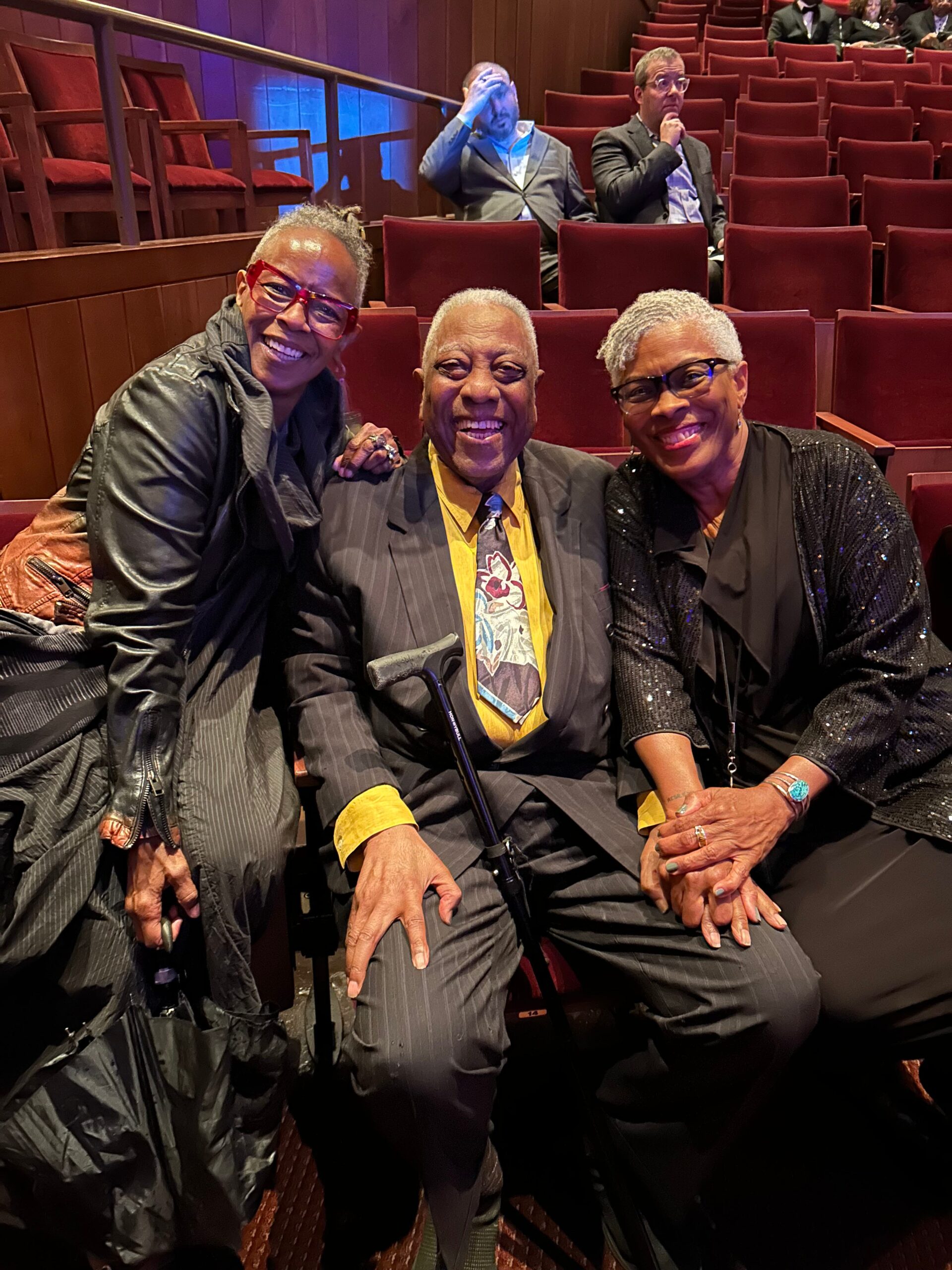
Woodie King Jr., a prominent figure in the world of Black theater, passed away at the age of 88. Known for his groundbreaking work as a producer and director, King founded the New Federal Theatre in New York City, which became a vital platform for Black artists and playwrights.
Born in 1935 in Detroit, King dedicated his life to advancing the representation of Black narratives in the performing arts. Under his leadership, the New Federal Theatre launched the careers of numerous actors, including acclaimed star Denzel Washington. King’s commitment to fostering talent contributed significantly to the diversity seen on stages across the United States.
His influence extended beyond just performances; King was a mentor to many young artists and a passionate advocate for social justice through the arts. He believed theater could be a powerful medium for change, and his work reflected that ethos. Not only did he produce and direct plays that resonated with the Black experience, but he also worked tirelessly to ensure that Black voices were heard and celebrated.
The New Federal Theatre, established in the early 1970s, became a cornerstone of Black theater in America. It provided a space for diverse stories to be told, challenging the mainstream narrative and creating a platform for new works by Black playwrights. King’s vision and leadership transformed the theater landscape, making it more inclusive and representative.
King’s contributions to the arts were recognized with numerous awards throughout his career. He received accolades for his dedication to theater and his role in shaping the careers of emerging Black artists. In addition to Washington, other notable performers who graced the New Federal Theatre included Angela Bassett and Phylicia Rashad, both of whom credit King for their early opportunities in the industry.
As news of his passing spread, tributes poured in from across the theater community, highlighting his profound impact on the arts. Colleagues and friends remembered him not only as a visionary leader but also as a generous mentor who nurtured countless talents. His legacy will undoubtedly endure through the many lives he touched and the stories he championed.
King’s death marks a significant loss for the theater world, particularly for those who advocate for racial and cultural representation in the arts. His tireless efforts to promote Black artists and stories have left an indelible mark on American theater. As the industry reflects on his contributions, many will continue to carry forward his mission of inclusivity and empowerment.
In the years to come, the impact of Woodie King Jr. will remain evident in the works produced and the artists inspired by his example. His vision for a vibrant and diverse theater community serves as a reminder of the importance of representation in all facets of the arts.