Denver has made strides in becoming a prominent sports city, recently celebrating championships in basketball, football, and hockey. Yet, the city has yet to host the Super Bowl, the most-watched sporting event in the United States. The National Football League (NFL) typically selects Super Bowl host cities years in advance, and Denver has faced challenges due to strict eligibility requirements. Currently, the city lacks a roofed stadium and deals with cold weather conditions that could lead to snow in February.
The ownership of the Denver Broncos has announced plans to construct a new stadium with a retractable roof in the Burnham Yard area, a former train yard located near La Alma/Lincoln Park. This development could potentially eliminate one of the major obstacles preventing Denver from hosting a Super Bowl. Nevertheless, several other requirements must be met for the city to be considered.
Key Requirements for Hosting a Super Bowl
According to a detailed 150-page list of NFL prerequisites for Super Bowl host cities, the city would need more than just a roofed stadium. The requirements include ample local amenities, such as parking spaces, hotel accommodations, and additional facilities. The bid committees consist of representatives from the NFL team, the stadium, local governments, visitor bureaus, and key businesses.
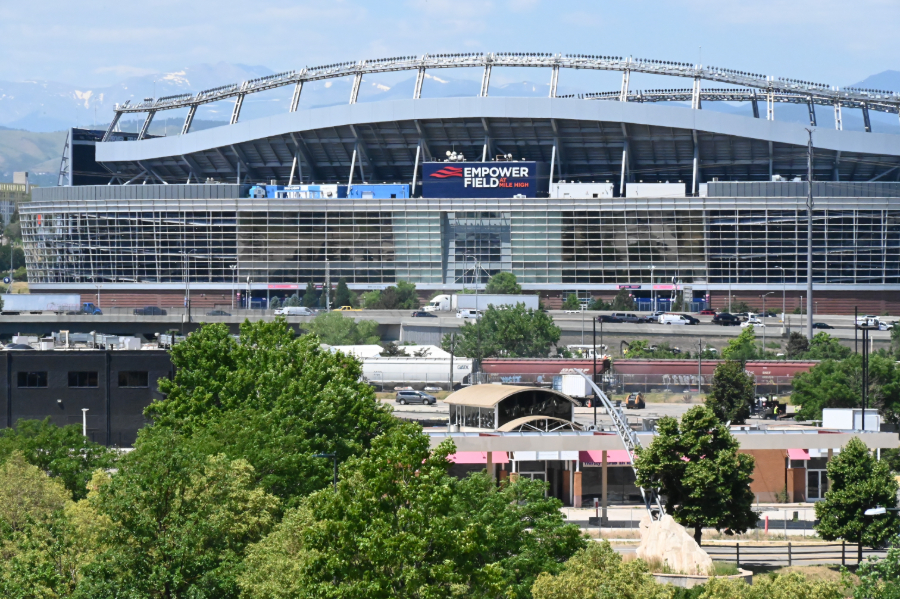
One of the main criteria for a Super Bowl-eligible stadium is seating capacity. The NFL mandates that the venue must have at least 70,000 seats, including suites with unobstructed views. Empower Field currently has approximately 76,000 seats and around 144 suites. Reports indicate that the proposed new stadium may exceed these numbers, enhancing Denver’s potential as a host city.
Parking is another crucial factor. The NFL requires a minimum of 35,000 paved and well-lit parking spaces nearby on game day for fans, staff, and security personnel. Additionally, up to 3,000 parking spaces must be accessible within a half-mile of the stadium throughout the “Super Bowl period,” which begins thirty days before the event. The current plan for the Burnham Yard project suggests a shift away from traditional parking setups, focusing on off-site and shared parking options. Presently, Empower Field has around 39,000 parking spaces, which may not meet the NFL’s requirements.
Accommodation and Infrastructure Needs
The influx of out-of-state visitors during the Super Bowl necessitates sufficient hotel accommodations. The NFL stipulates that cities must provide enough hotel rooms within a sixty-minute drive to accommodate 35 percent of the available seats. For a stadium of Empower Field’s size, this translates to over 27,000 hotel rooms in the vicinity during peak traffic times. Furthermore, the city must offer 19,000 “top quality, full-service” hotel rooms for NFL-related groups, many of which are typically offered at no cost.
Visit Denver, the city’s tourism bureau, reports approximately 13,000 hotel rooms within walking distance of the Colorado Convention Center, located about a mile and a half from the proposed stadium site. This figure reaches only halfway to the NFL’s minimum hotel requirements, although the greater metropolitan area boasts over 55,000 hotel rooms. Some of these accommodations may be further than an hour’s drive during busy traffic periods.
The redevelopment plan for the nearby Ball Arena, home to the Colorado Avalanche and Denver Nuggets, also includes provisions for new hotels and commercial projects, which could enhance the city’s readiness for a Super Bowl bid.
Government support plays a vital role in securing a Super Bowl. If Denver is selected as the host city, local authorities must establish a temporary “clean zone” around the stadium. This zone would suspend permits for any events within a one-mile radius, including signage and sales activities, to maintain health and safety standards. Additionally, local law enforcement would need to provide support against counterfeit merchandise in the days leading up to the game.
The NFL expects significant tax exemptions, including relief from various local taxes on ticket sales and parking revenues. This could ease the financial burden on the city while maximizing the economic benefits associated with hosting the Super Bowl.
Beyond the stadium and accommodations, other unique requirements include the need for two quality bowling venues and three top-notch golf courses. These facilities are intended for events such as the NFL Foundation Golf Classic and the Super Bowl Celebrity Bowling Classic, aimed at former players. The NFL specifies that greens fees must be waived, and if weather conditions are unfavorable for golf, the events can be postponed.
As Denver strives to position itself as a potential Super Bowl host, the city faces a multi-faceted challenge in meeting the NFL’s stringent criteria. Achieving these goals could not only elevate Denver’s status in the sports world but also inject substantial economic benefits into the local community. If successful, the city’s efforts could culminate in an exciting Super Bowl experience for fans in the future. The next Super Bowl is scheduled for February 8, 2026, in Santa Clara, California, but Denver’s ambitions may lead to a future opportunity to showcase its sports culture on the national stage.