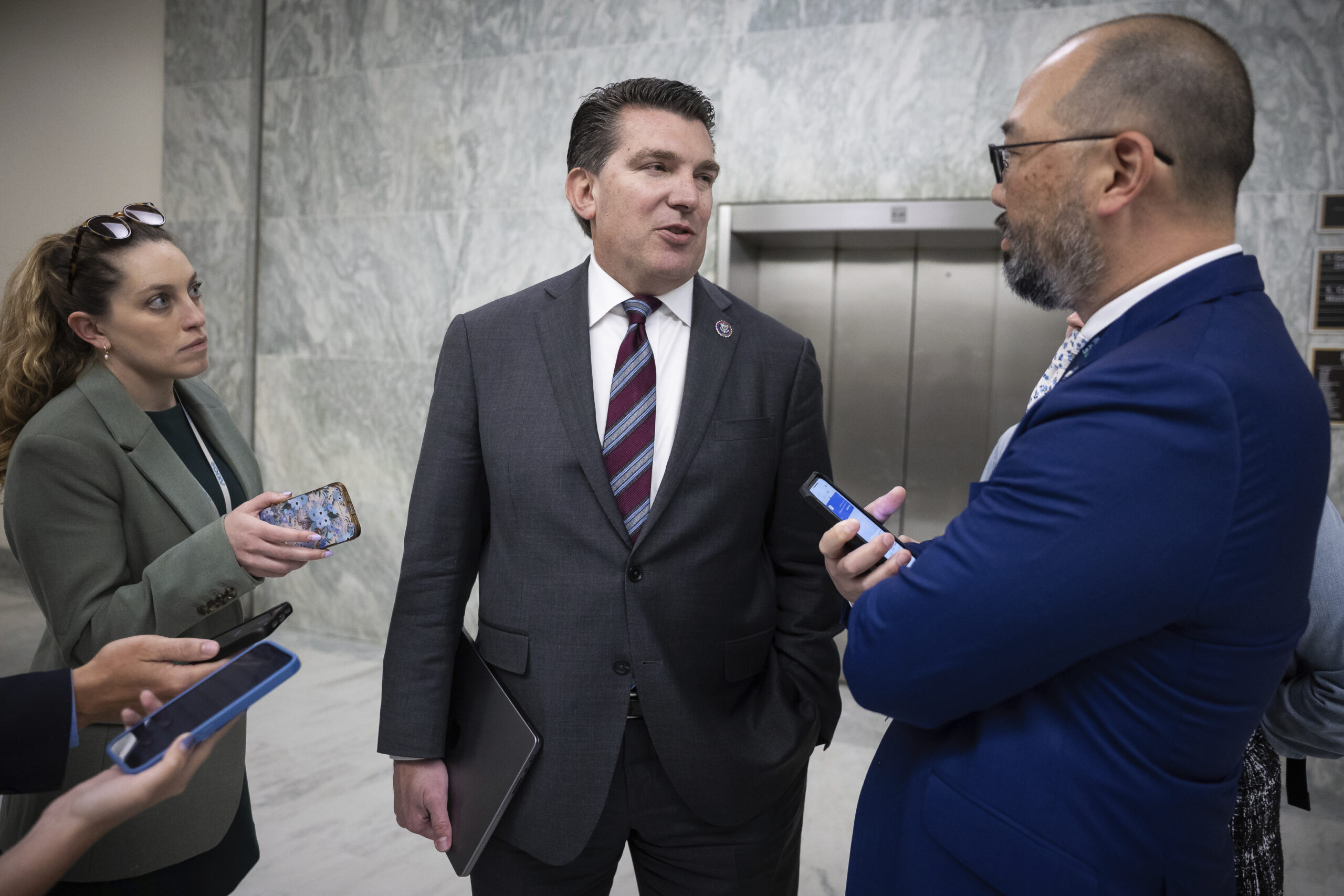
Rep. Jay Obernolte is advocating for a compromise approach to AI regulation that many in the tech industry view as a crucial opportunity to prevent the enactment of state-level AI laws. This initiative comes at a time when various states are considering their own regulations, which could create a patchwork of rules for technology companies. The question remains whether GOP leadership will endorse his proposal.
Obernolte has positioned himself as a key player in the ongoing debate over AI, emphasizing the need for a unified federal framework rather than a fragmented state-by-state strategy. His approach aims to balance innovation and safety, addressing concerns about the rapid advancement of AI technologies while ensuring they can continue to thrive in the marketplace.
The tech sector has expressed significant interest in Obernolte’s vision, arguing that a cohesive regulatory environment is essential for fostering growth and investment. According to industry leaders, without clear federal guidelines, companies could face increased compliance costs and operational uncertainties.
In Washington, D.C., the Republican leadership’s stance on AI regulation appears to be divided. Some party members see the merit in a compromise that could unify their position on technology issues, while others remain skeptical of any regulatory measures, fearing they could stifle innovation. The upcoming sessions in Congress will likely be critical in determining the path forward.
Obernolte’s proposal includes provisions that would promote transparency in AI systems and ensure accountability without imposing excessive burdens on developers. He believes that by fostering collaboration between lawmakers and the tech community, it is possible to create regulations that protect consumers while not hindering technological advancement.
As discussions unfold, the pressure is mounting on GOP leaders to decide whether to fully support Obernolte’s initiative. Should they back this approach, it could set a significant precedent for how the federal government interacts with the tech industry in the face of rapid technological change.
With state legislatures across the country preparing to introduce their own AI laws, the stakes are high. If Congress fails to act quickly, the tech industry could find itself navigating a complex legal landscape, making it difficult for companies to operate efficiently.
The coming months will be pivotal in shaping the future of AI regulation in the United States. As the conversation continues, the outcome will not only affect businesses but could also have broader implications for innovation and consumer protection in the digital age.