The Connecticut Department of Consumer Protection has introduced a mandatory training program for individuals seeking to sell alcohol in the state. Effective from January 1, 2026, all new applicants for on-premises and off-premises liquor permits must complete the Liquor Law Education Program. Officials emphasize that this initiative aims to reduce impaired driving, prevent illegal alcohol sales, and clarify the responsibilities of liquor permit holders.
This new requirement applies not only to the individuals holding the permits but also to owners of entities associated with the applications. The training program is free and accessible statewide, although it is mandatory only for those applying for permits for the first time. Existing permit holders with active final or provisional permits as of January 1, 2026, are exempt from this requirement upon renewal, though they are encouraged to participate voluntarily.
Addressing Public Safety Concerns
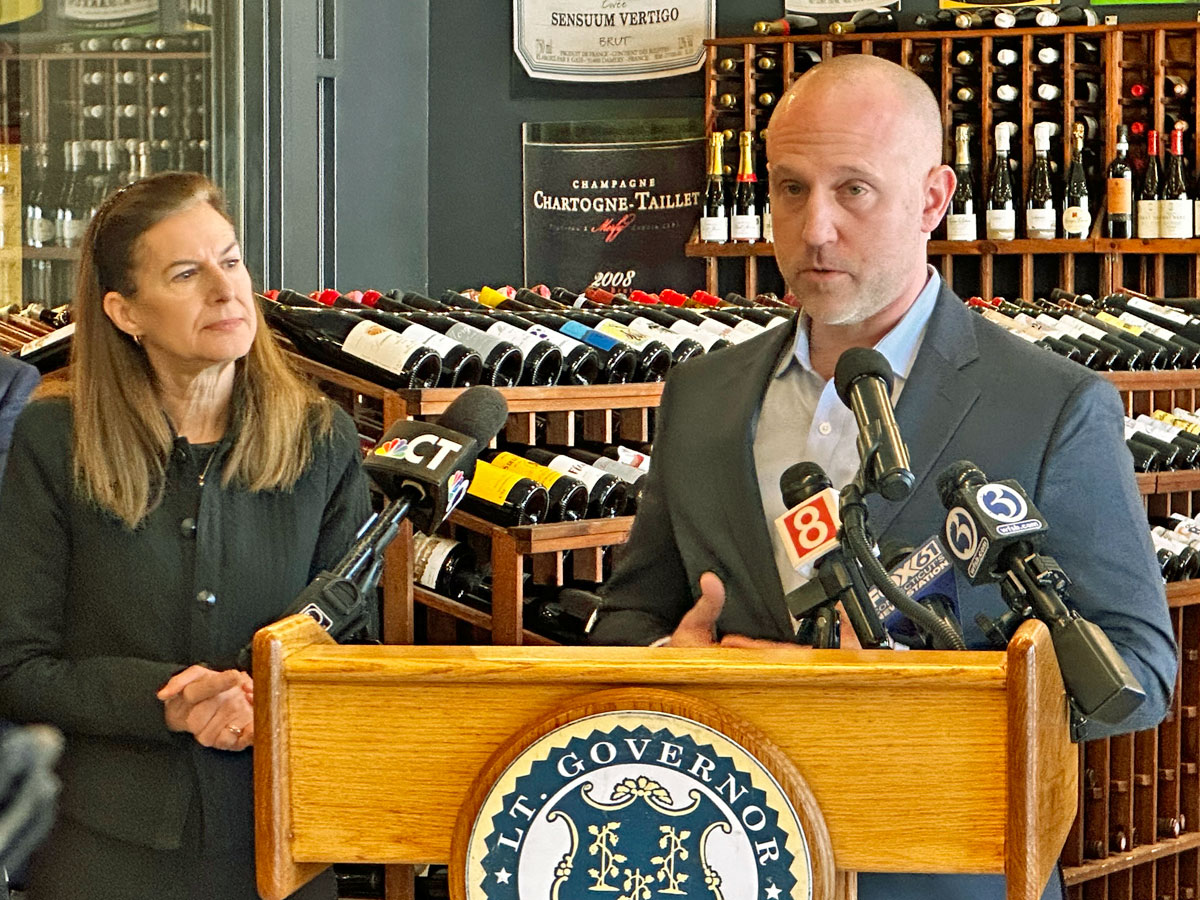
Jacob Studenroth, who owns Wise Old Dog Liquor Store in West Hartford, expressed support for the program, stating, “It can feel like enforcement to overcome, when it’s really much more important than that.” He highlighted the significance of treating alcohol sales seriously, reflecting the program’s goal to fill a gap in training, especially for small businesses that have typically relied on paid third-party education programs.
The initiative is part of a broader effort led by the Department of Consumer Protection, funded through the Department of Transportation with additional support from the Department of Mental Health and Addiction Services. Former liquor control director Caitlin Anderson and current director Rich Mindich have overseen the program, which aligns with years of collaboration focused on public health and roadway safety.
Bryan Cafferelli, commissioner of consumer protection, noted that the course is designed to provide an essential understanding of the legal responsibilities tied to holding a liquor permit. He remarked, “This is a great example of how government works best when it works together.”
In 2024, the Department of Consumer Protection conducted 255 underage alcohol compliance checks across the state, revealing that approximately 31% of businesses sold alcohol to minors during enforcement operations.
Combatting Impaired Driving
Transportation Commissioner Garrett Eucalitto explained that the training targets key decision points that can lead to alcohol-related harm. Statistics reveal that nearly 40% of traffic fatalities in Connecticut involve impaired drivers, significantly higher than the national average of about 30%. While traffic fatalities in the state decreased by 12% in 2025, officials continue to identify persistent risks, including impaired driving and increased pedestrian and bicycle fatalities.
Eucalitto emphasized that impaired driving remains a pressing concern, despite advancements in road safety measures. He cited the installation of approximately 200 wrong-way detection systems on Connecticut highways as one of several strategies aimed at reducing such incidents. Data indicates that from 2019 to 2023, 80% of wrong-way crashes resulted in the driver’s death, intensifying calls for stronger measures after a tragic wrong-way crash in 2023 claimed the life of state Representative Quentin Williams.
According to federal crash data, Hartford ranked fifth in the United States for fatal drunk-driving rates between 2018 and 2022, with Waterbury and New Haven also featuring prominently on the list.
Colleen Harrington, Deputy Commissioner of the Department of Mental Health and Addiction Services, reiterated the agency’s commitment to prevention and recovery. She stated, “Every accident represents a person, but it has concentric circles. All of us have a responsibility.”
The video-based training program covers a range of crucial topics, including preventing sales to minors, recognizing and avoiding overservice, the restrictions on alcohol promotions, and the administrative processes related to liquor permitting. After completing the course, permit applicants will receive a certificate that must be uploaded with their application.
As Connecticut moves forward with this initiative, the focus remains on improving public safety and ensuring responsible alcohol service across the state.