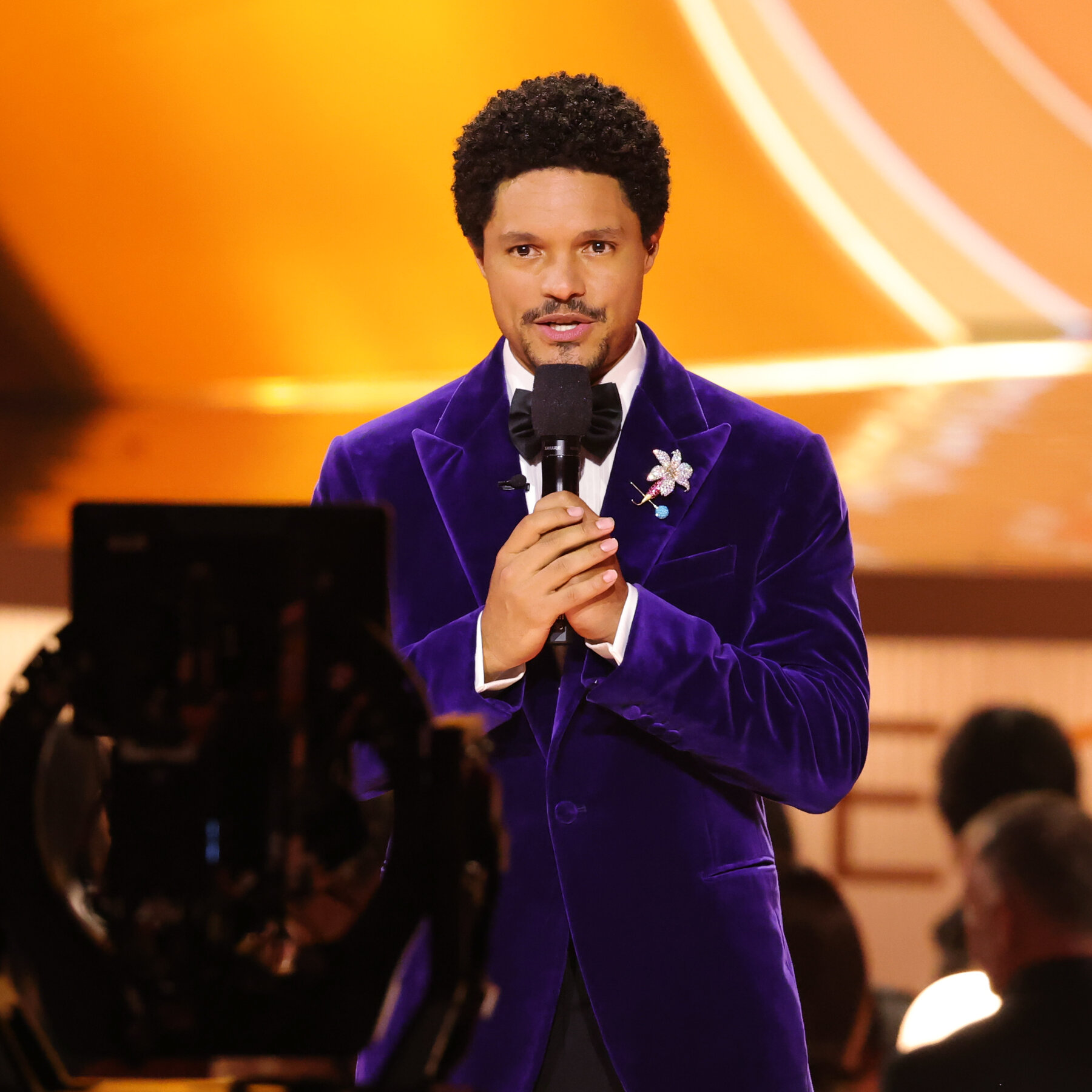
Legal experts have indicated that former President Donald Trump would likely face significant challenges in a legal case against comedian Trevor Noah regarding jokes made during the Grammy Awards on March 10, 2024. Noah’s remarks, which targeted Trump, are considered to fall under the protections offered by the First Amendment of the United States Constitution.
Noah, who hosted the awards ceremony, made light of Trump’s legal troubles and political controversies, eliciting laughter from the audience. Following the event, speculation arose about whether Trump might pursue legal action against the comedian for defamation or similar claims.
Understanding First Amendment Protections
According to various legal experts, humor and satire are generally protected forms of expression in the United States. These protections allow comedians to critique public figures without fear of litigation. “Jokes made in a public forum, especially about individuals in the political realm, are usually safeguarded by the First Amendment,” explained Jessica Green, a noted constitutional law professor at Harvard University.
Green further elaborated that for Trump to succeed in a lawsuit, he would need to prove that Noah’s comments were false and made with actual malice, a high bar for public figures. “The threshold for defamation is particularly steep for someone like Trump, who has been a prominent figure in the public eye for decades,” she added.
The Implications of Public Discourse
The implications of this situation extend beyond just Trump and Noah. As public discourse evolves, the role of humor in political commentary becomes increasingly significant. Experts argue that such performances can influence public opinion and contribute to the broader political narrative. “Humor serves as a vital tool for critique and commentary, especially in an era where political polarization is rampant,” noted Mark Thompson, a media analyst.
Moreover, the notion that Trump could seek legal redress for jokes raises questions about the boundaries of free speech. The response from the public and media has been largely supportive of Noah, viewing his comments as part of a healthy democratic process.
The dynamics of this situation underscore the ongoing debate about freedom of expression, especially when it concerns public figures who are often subject to scrutiny and satire. As the legal landscape continues to evolve, the balance between protecting free speech and addressing potential defamation claims will remain a topic of discussion.
In conclusion, while Trump might consider his options following Noah’s comedic commentary, legal experts agree that the chances of a successful lawsuit are slim, given the robust protections of the First Amendment.