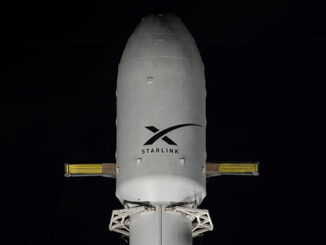
SpaceX successfully launched 25 additional Starlink satellites into low Earth orbit on February 5, 2025, from the Vandenberg Space Force Base in California. This mission, designated Starlink 17-32, further expands the company’s broadband internet constellation, which now includes over 9,600 satellites, according to orbital expert Jonathan McDowell.
The Falcon 9 rocket lifted off at 7:38 a.m. PST (10:38 a.m. EST / 15:38 UTC) from Space Launch Complex 4 East. Upon launch, the rocket followed a south-southwest trajectory, a common flight path for missions originating from this facility.
Mission Details and Launch History
This particular launch utilized the Falcon 9 booster with tail number B1071, marking its 31st flight. The rocket has previously supported various missions, including five for the National Reconnaissance Office, five smallsat rideshare missions, and NASA’s Surface Water and Ocean Topography (SWOT) mission.
Approximately eight and a half minutes post-launch, the booster was scheduled to land on the drone ship named “Of Course I Still Love You,” stationed in the Pacific Ocean. If successful, this landing would represent the 175th recovery for this vessel and the 567th booster landing overall for SpaceX.
The launch not only demonstrates SpaceX’s commitment to expanding global internet access but also highlights the company’s ongoing efforts to develop reusable rocket technology. Each successful recovery of the Falcon 9 boosters significantly reduces the costs associated with space launches, paving the way for more frequent and affordable access to space.
As the Starlink constellation continues to grow, it aims to provide high-speed internet service to underserved areas around the world, enhancing connectivity for millions. SpaceX’s ambitious plans may soon enable users to access reliable internet services in regions where traditional infrastructure is limited or unavailable.
Spaceflight Now provided live coverage of the launch, beginning roughly 30 minutes prior to liftoff, showcasing the increasing interest in space ventures and the advancements made by companies like SpaceX. The successful addition of these satellites signals another step forward in the race for global broadband access.