Iran’s supreme leader, Ayatollah Ali Khamenei, has issued a stark warning that any military action by the United States against Iran would ignite a “regional war.” This statement came on Sunday during a period of heightened tensions, as President Donald Trump has threatened to strike Iran amid its violent response to widespread protests. The remarks, made while the USS Abraham Lincoln and U.S. warships are stationed in the Arabian Sea, underscore the precarious situation following Tehran’s crackdown on protests that have reportedly resulted in thousands of fatalities.
Khamenei’s comments mark his most direct threat yet, coinciding with Trump’s increasing focus on Iran’s nuclear program and the ongoing unrest within the country. The protests, which began on December 28, 2023, were initially sparked by economic grievances related to the collapse of Iran’s rial currency but have evolved into significant challenges to Khamenei’s authority.
During his address, Khamenei characterized the protests as an attempted coup, stating, “The recent sedition was similar to a coup. Of course, the coup was suppressed.” His remarks reflect a hardening stance against dissent, especially as authorities have reportedly detained over 49,500 individuals since the onset of the demonstrations. The Human Rights Activists News Agency, which monitors human rights in Iran, asserts that at least 6,713 people have died in the violence, a figure that significantly exceeds previous protest-related fatalities in recent decades.
The Iranian government has disputed these numbers, claiming a death toll of 3,117, which includes both civilians and security personnel, labeling the remainder as “terrorists.” There are growing fears that the government may resort to mass executions, a scenario that would cross a critical threshold for the U.S. and potentially provoke military action.
While addressing a crowd at his Tehran compound, Khamenei emphasized, “We are not the instigators… But if anyone shows greed and wants to attack or harass, the Iranian nation will deal a heavy blow to them.” This defiant message was delivered as Iran commenced a live-fire military drill in the strategically vital Strait of Hormuz, through which approximately one-fifth of the world’s oil supply is transported. The U.S. military’s Central Command has cautioned against any threats to American vessels during these exercises.
Khamenei’s rhetoric is part of a broader narrative in which he accuses the U.S. of seeking control over Iran’s resources. He stated, “The Americans must be aware that if they wage a war this time, it will be a regional war.” This assertion aligns with a long-standing perception in Iran that external powers, particularly the U.S., harbor imperialistic ambitions.
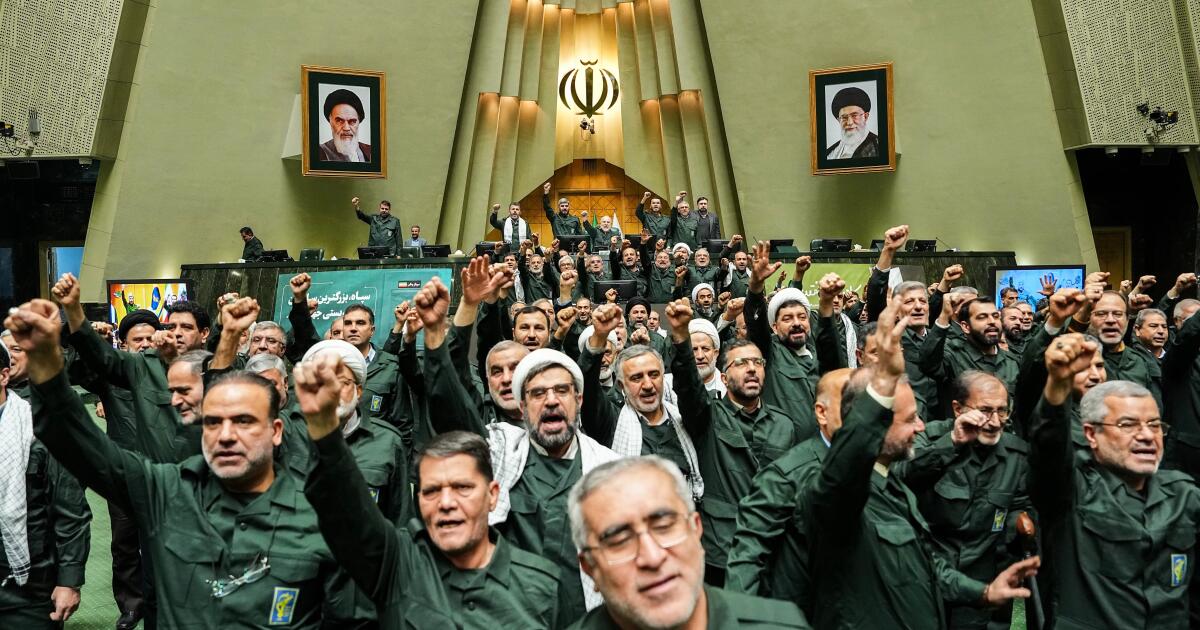
On the diplomatic front, the Iranian parliament’s speaker, Mohammad Bagher Qalibaf, declared that Iran now views all European Union militaries as terrorist groups. This declaration follows the EU’s designation of Iran’s Islamic Revolutionary Guard Corps as a terrorist organization due to its role in the violent suppression of demonstrations. Qalibaf, a former IRGC commander, criticized the EU for aligning with U.S. interests, stating that their actions jeopardize their own national interests.
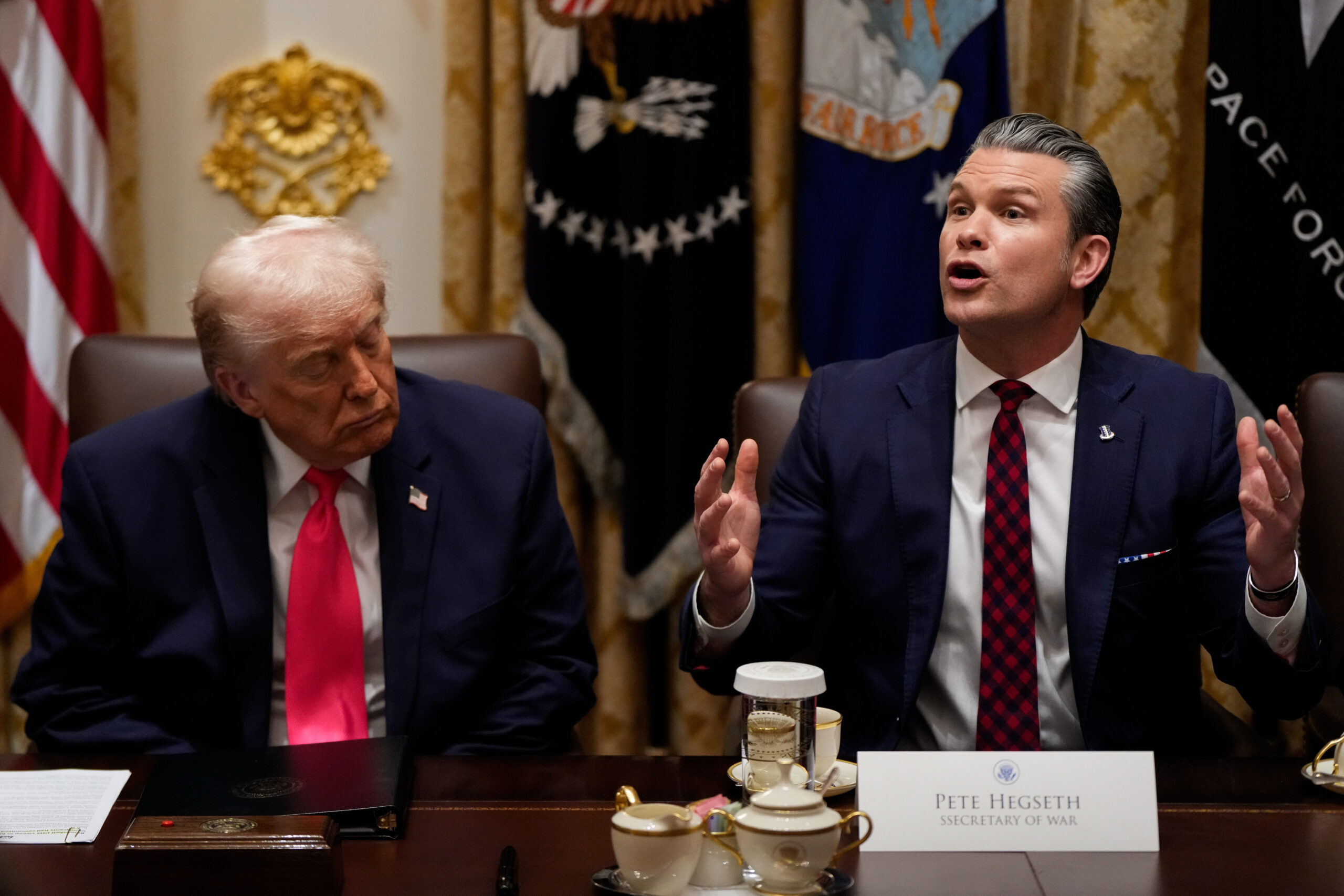
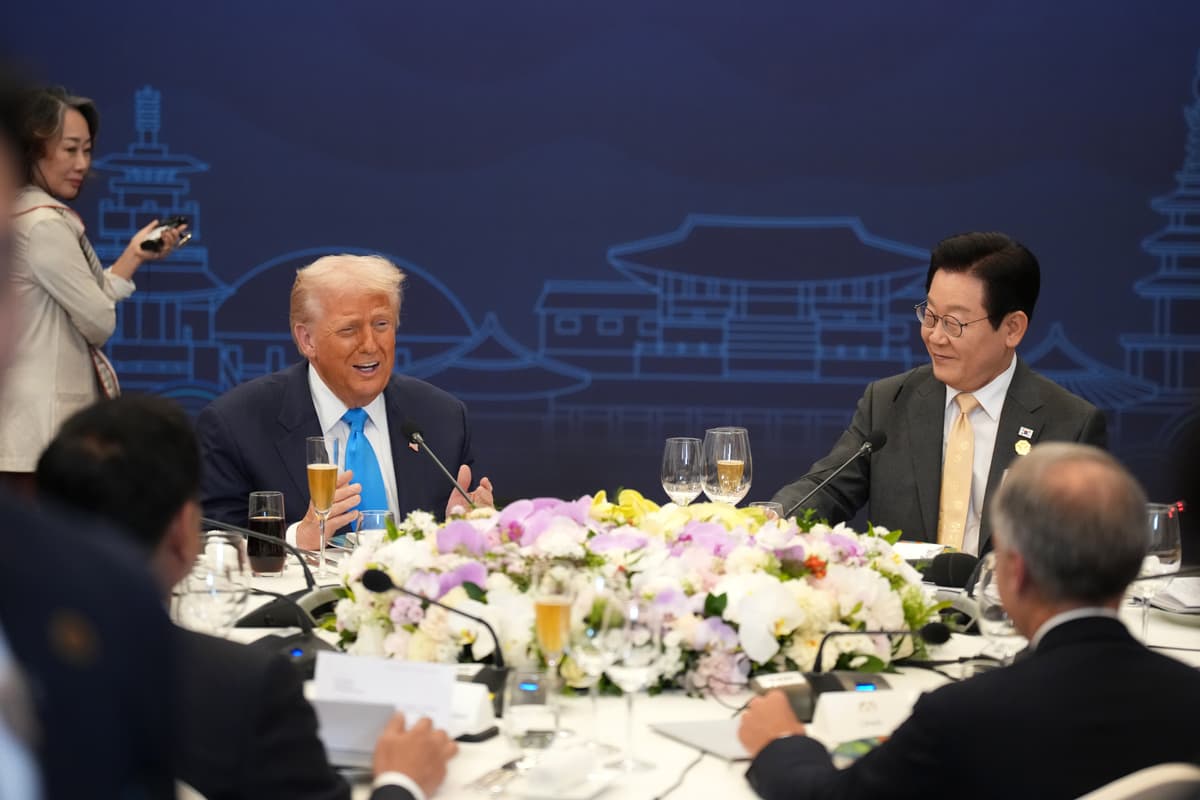
Trump has articulated specific conditions under which military action might occur, including the killing of peaceful protesters or the mass execution of detainees. He has also hinted at the possibility of negotiations, suggesting that Iran should seek a “satisfactory” deal to prevent the development of nuclear weapons. Yet, he has remained non-committal about the U.S. response to Iran’s recent actions.
As the situation continues to unfold, the international community remains watchful. The potential for escalation in the region looms large, with Khamenei and Iranian officials steadfast in their resolve against perceived foreign aggression. The coming days will be crucial in determining the trajectory of Iran-U.S. relations and the broader implications for regional stability.