On January 26, 2025, hundreds of volunteers mobilized across San Diego County to conduct the annual point-in-time count of individuals experiencing homelessness. This initiative aims to collect comprehensive data on those living on the streets or in shelters, enabling service providers to understand demographic trends and allocate resources more effectively.
Mobilizing Volunteers Across San Diego
Approximately 1,700 volunteers participated in this year’s count, canvassing neighborhoods from downtown to East Village. The effort is organized by the Regional Task Force on Homelessness, which dedicates six months to preparation and an additional three months for data analysis. The statistics gathered during this count are crucial for determining the distribution of state and federal funding for homelessness prevention programs.
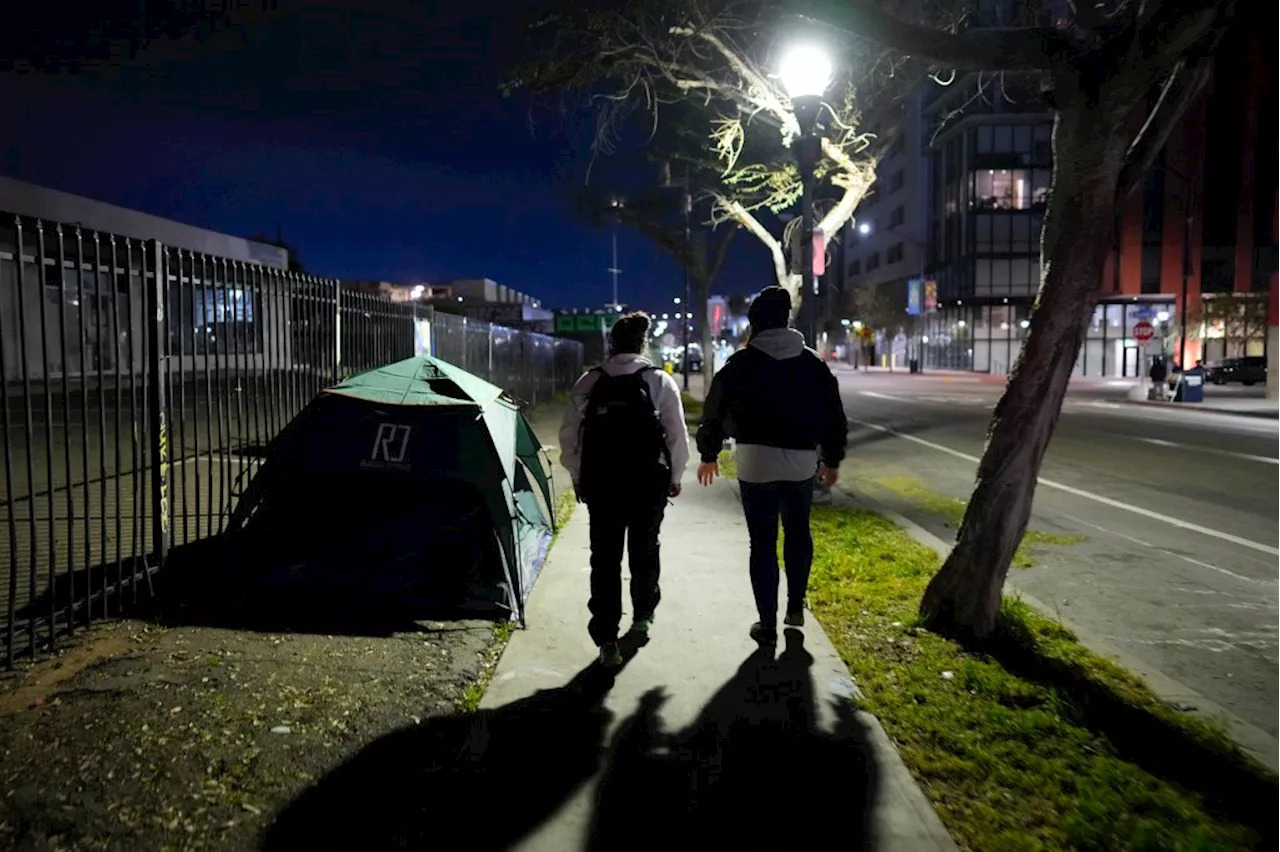
In East Village, notable for its high concentration of unsheltered residents, volunteers navigated through areas defined by a mix of aging homes and new high-rise buildings. One volunteer, Carmen Jimenez from Father Joe’s Villages, approached individuals with a friendly greeting, asking if they would like to participate in the survey. “Good morning, sir or ma’am. Would you like to participate in the point-in-time count?” she asked as she distributed $10 gift cards in exchange for their cooperation.
Personal Stories Amid the Statistics
The count not only reveals numbers but also personal stories. Gabriel Perez, 46, who has been living on the streets since his release from jail, shared his aspirations for stability. “My plan is to get on my feet, be a man and work,” he said. He attributed his struggles to the tragic death of his daughter in a car accident.
Another participant, Laura Diaz, 52, has been homeless for six years. She reflected on her life, stating, “You get used to them,” referring to the community of individuals she encounters on the streets. These interactions highlight the human aspect of homelessness, often overshadowed by statistics.
Volunteers faced various responses. While many were willing to share their experiences, some, like a couple residing in a blue nylon tent, preferred to communicate through a small opening. The dynamics of trust and confidentiality shaped these interactions, underscoring the delicate nature of engaging with vulnerable populations.
Long-Term Trends and Future Outlook
This year’s point-in-time count is significant as it follows a reported decline in homelessness across the region, with a 7% drop noted in the prior year. The most recent figures indicated a total of 9,905 homeless individuals in San Diego County. Notably, families without shelter decreased by 72% since 2024, while homelessness among veterans dropped by 25%.
Despite the positive trends, some officials express concern over potential reversals. Joshua Bohannan, Chief Strategy Officer for Father Joe’s Villages, remarked, “I expect that to go up again. That’s a scary trend. That’s the big one on my mind.” This sentiment reflects the ongoing challenges faced by those working in homelessness services, particularly in light of economic fluctuations.
Throughout the count, volunteers also reported varying conditions in different neighborhoods. In areas like Lemon Grove, outreach workers noted a decrease in encampments, while others, such as a makeshift site along state Route 94, revealed persistent challenges. Some individuals expressed reluctance to accept help, highlighting the complex relationship between homelessness and mental health issues.
As the results of this year’s count are analyzed, officials and service providers will use the data to inform their strategies for addressing homelessness. The findings serve as a crucial indicator for shaping effective prevention and assistance programs, aiming to foster a supportive environment for the most vulnerable members of the community.
The annual count not only provides essential data but also reminds the community of the human stories behind the statistics. It underscores the need for compassion and understanding as San Diego County continues its efforts to combat homelessness and provide support to those in need.