Poland’s military reported that “balloon-like objects” crossed into its airspace from Belarus overnight, characterizing the incident as a “hybrid” action. This development, noted on Thursday, highlights ongoing tensions along NATO’s eastern flank, particularly as Poland and its Baltic neighbors bolster defenses against perceived threats from Belarus and Russia.
Over the past month, Polish authorities have observed multiple waves of balloons allegedly carrying illegal cigarettes entering Polish airspace. Such activities are considered part of hybrid warfare tactics, which encompass a range of actions that stop short of direct military confrontation, including cyberattacks and disinformation campaigns. The increasing frequency of these incursions has raised alarms about the strategic intentions behind them.
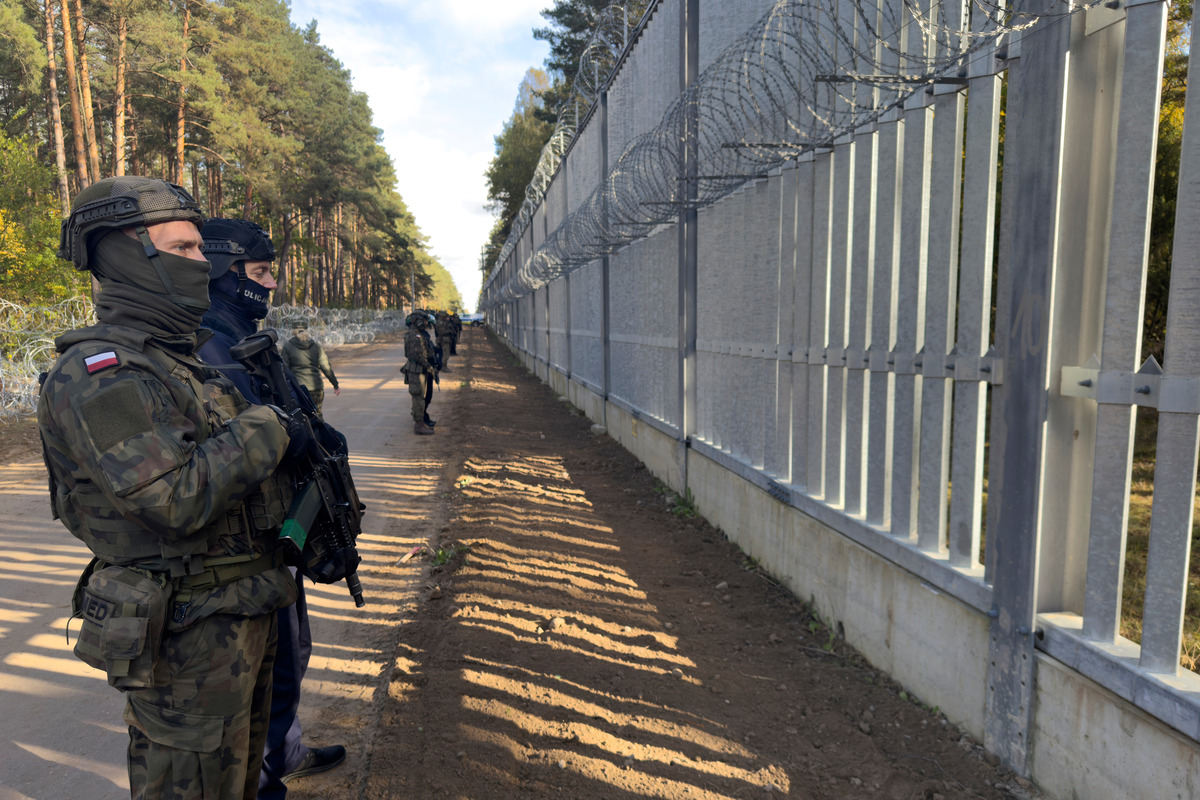
The Polish Operational Command confirmed that military radars tracked the objects continuously. In response, authorities implemented temporary restrictions on civilian air traffic over the Podlaskie region, located northeast of Warsaw and adjacent to the Belarusian border. The Polish military emphasized that these incidents fit within the broader context of hybrid actions being directed against the nation.
In previous weeks, tensions escalated further. Poland summoned the Belarusian charge d’affaires earlier this month following another airspace breach by suspected smuggling balloons. On January 17, Polish police reported an increase in the number of these balloons crossing the border, asserting that the incidents are designed not only to test Polish defenses but also to provoke social unrest.
On December 26, Polish military officials alerted law enforcement that “several dozen flying objects, most likely so-called smuggling balloons,” had entered Polish airspace from Belarus. Reports indicate that authorities discovered seven balloons in border areas. A report by RMF 24 radio indicated that a total of 59 balloons had violated Polish airspace.
The situation has broader implications beyond Poland. In October 2025, balloons carrying contraband prompted Lithuanian officials to temporarily close the main airport in Vilnius. Additionally, NATO announced in September that it would enhance air presence along its eastern border, following an incident on September 10, when approximately 20 Russian drones crossed into Poland. Although Moscow claimed the incursion was unintentional, Polish Prime Minister Donald Tusk described it as one of the closest encounters with open conflict since World War II.
The Polish military reassured the public on Thursday that the situation is under continuous monitoring. They stated, “The forces and resources of the Armed Forces of the Republic of Poland remain ready to carry out tasks related to the protection of Polish airspace.” As hybrid warfare tactics evolve, Poland and its NATO allies remain vigilant and prepared for potential challenges to their sovereignty and security.