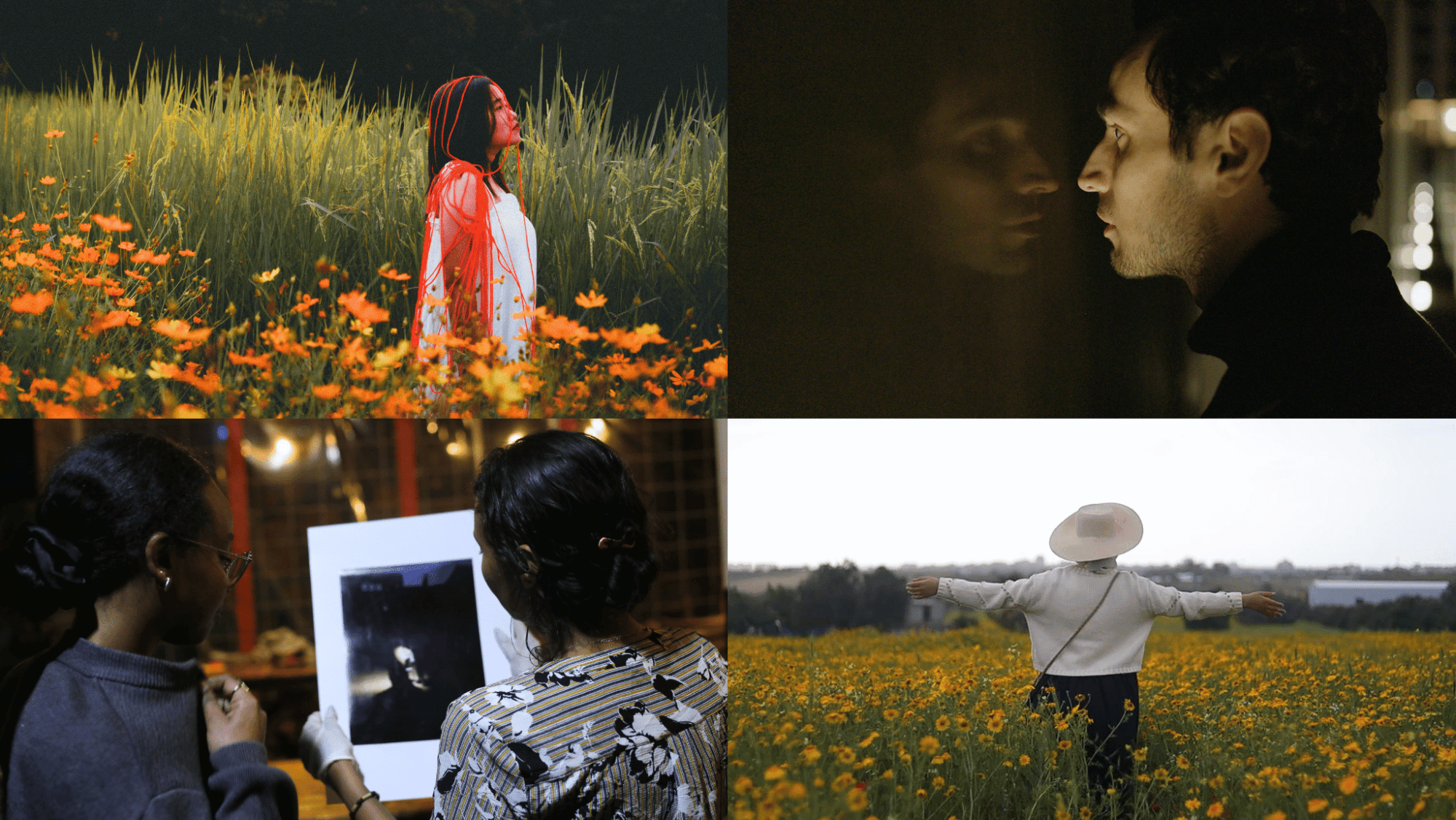
The International Film Festival Rotterdam (IFFR) is positioning itself as a pivotal hub for independent cinema amid the evolving demands of filmmakers. From February 1 to 4, 2024, IFFR will host its 43rd edition of Cinemart, showcasing 21 feature projects and 10 works-in-progress. This year marks the debut of “Lightroom,” a dedicated platform for immersive media that will explore XR, VR, and interactive projects.
In a significant development, six titles have been selected for the inaugural CineMart x Hubert Bals Fund (HBF) strand, which highlights projects awarded previous development support by the fund. Another innovative addition is the “Safe Harbour” initiative, aimed at supporting stateless and at-risk filmmakers. This new program seeks to uplift projects from emerging voices facing challenges, including displacement and limited access to professional networks.
The festival will run from January 29 to February 8, 2024. According to Marten Rabarts, head of IFFR Pro, the lineup reflects a balance between breakthrough talents and established filmmakers. He emphasized the urgency of storytelling in the current global climate, noting that narratives addressing war, climate change, and identity preservation are at the forefront.
In an interview with The Hollywood Reporter, Rabarts and Tamara Tatishvili, head of the HBF, discussed the pressing challenges of funding indie films and the importance of supporting underrepresented voices. Rabarts remarked, “We’re absolutely in the business of discovery and raising voices, particularly from communities that might not otherwise have a spotlight.”
The festival aims to foster a sense of community among filmmakers and audiences. This year, the inaugural HBF Reunion will take place on February 2, bringing together up to 30 filmmakers for an informal gathering. Notable attendees include Sandra den Hamer, director of the Netherlands Film Fund, and alumni of the Hubert Bals Fund such as Lucrecia Martel and Ratchapoom Boonbunchachoke.
The focus on community is particularly crucial as filmmakers navigate a politically charged environment. Rabarts noted, “The world’s on fire, and we need to hear from filmmakers telling us what that heat feels like.” He observed that, unfortunately, the challenges have only intensified in the past year, impacting funding avenues.
As resources retract, the festival has observed a shift towards multi-partner co-productions. Some projects are entering the market with six partners already secured, indicating a need for additional funding. Rabarts highlighted a resurgence of films from Asia, facilitated by collaborations under the Asian Film Alliance Network (AFAN). He noted that these co-productions often require further funding to bridge gaps as they seek support in Europe.
Additionally, Rabarts pointed to a “return of the independent Americans,” with filmmakers recognizing the festival as a supportive environment for their projects. He recalled the historical context when U.S. indie filmmakers sought refuge in Europe during politically tumultuous periods. This year, the market has attracted notable talents like Cheryl Dunye, who found support for her project at IFFR.
The festival also showcases new voices, such as a duo of young African American filmmakers supported by production companies owned by Donald Glover and Riley Keough. Their project, titled “The Dispute,” is described as an audacious urban comedy, reflecting the growing diversity of narratives at the festival.
The HBF plays a crucial role in supporting filmmakers from vulnerable backgrounds. Tatishvili emphasized the need for flexibility in supporting creatives who often operate under challenging circumstances. Many filmmakers must navigate their projects discreetly due to safety concerns, a reality that underscores the importance of the HBF’s work.
The Safe Harbour initiative complements existing efforts by providing a platform for displaced filmmakers. Rabarts explained that traditional co-production market benchmarks can create barriers for these individuals, making it harder for them to gain access to funding and support. The initiative aims to eliminate these barriers, enabling talent to present their stories and secure the resources they need.
This year, the Safe Harbour program includes projects from filmmakers in Syria, Gaza, Sudan, and Myanmar, with varying degrees of displacement. Rabarts highlighted the complexities of their situations, illustrating the festival’s commitment to inclusivity and support.
Tatishvili concluded by underscoring the necessity of not only creating films but ensuring they reach audiences. “It’s vital that films are not only made but also seen,” she said. In an increasingly challenging political landscape, the festival aims to amplify voices that might otherwise go unheard, fostering critical dialogue through cinema.