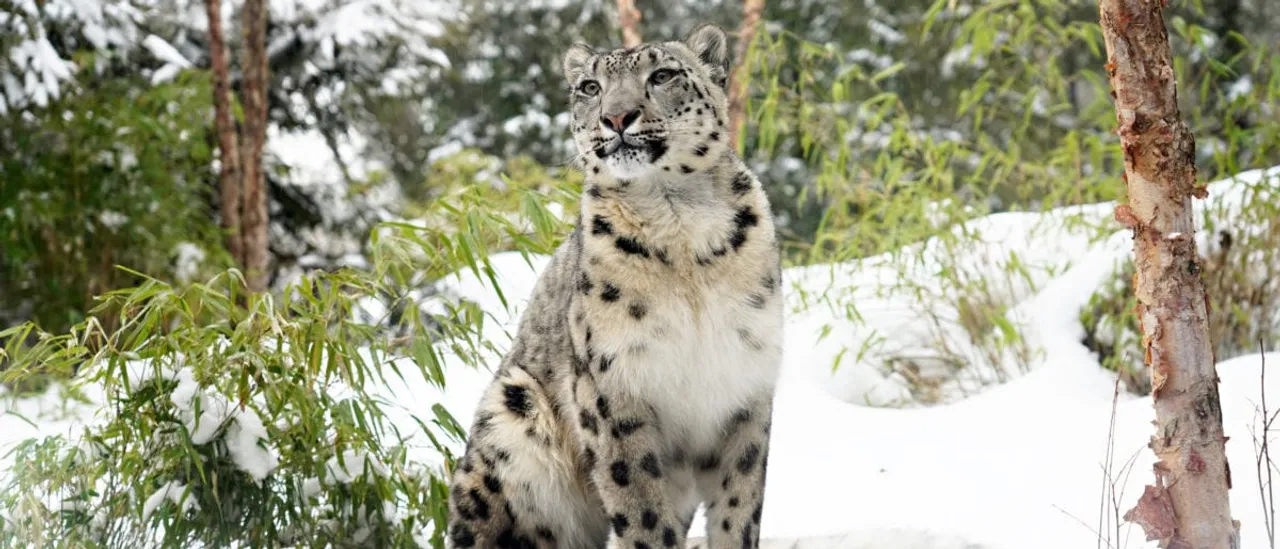
A female tourist was mauled by a snow leopard on January 23, 2026, in Koktotay, a town located in China’s Xinjiang province. The incident occurred when the skier exited her vehicle to approach the animal for photographs, according to reports from state media and officials. The attack has raised concerns about safety in areas known for snow leopard sightings.
Footage obtained by Fox News shows the skier receiving assistance from several individuals while clutching her face, which was visibly injured. Although her face was blurred in the video, blood could be seen. Reports indicate that she approached within approximately 10 feet of the animal before the attack took place.
The skier, whose identity has not been disclosed, was skiing when she spotted the snow leopard. The New York Post reported that her ski helmet likely helped prevent more severe injuries during the encounter. After the attack, she was hospitalized, and her condition was described as stable. A ski instructor intervened, managing to scare off the snow leopard by waving his poles.
Warnings Issued Following Attack
Prior to the incident, local authorities had issued warnings regarding increased snow leopard activity in the region. According to Jam Press, officials had cautioned visitors about the presence of these large predators, stating, “Snow leopards are large predators with strong aggressive tendencies.” The warning advised that individuals should not linger in the area, avoid exiting vehicles, and refrain from attempting to take photographs of the wildlife.
The Forestry and Grassland Bureau of China emphasized the importance of adhering to these guidelines, particularly in light of the recent attack. Snow leopards are classified as endangered, with estimates suggesting that there are between 3,920 and 6,390 remaining in the wild, as reported by the Snow Leopard Trust. The animals are primarily solitary and are more active during dawn and dusk.
Officials continue to investigate the circumstances surrounding the attack, highlighting the need for awareness and precaution when interacting with wildlife in these natural habitats. The incident serves as a reminder of the potential dangers posed by approaching wild animals, particularly in areas where they are known to roam freely.