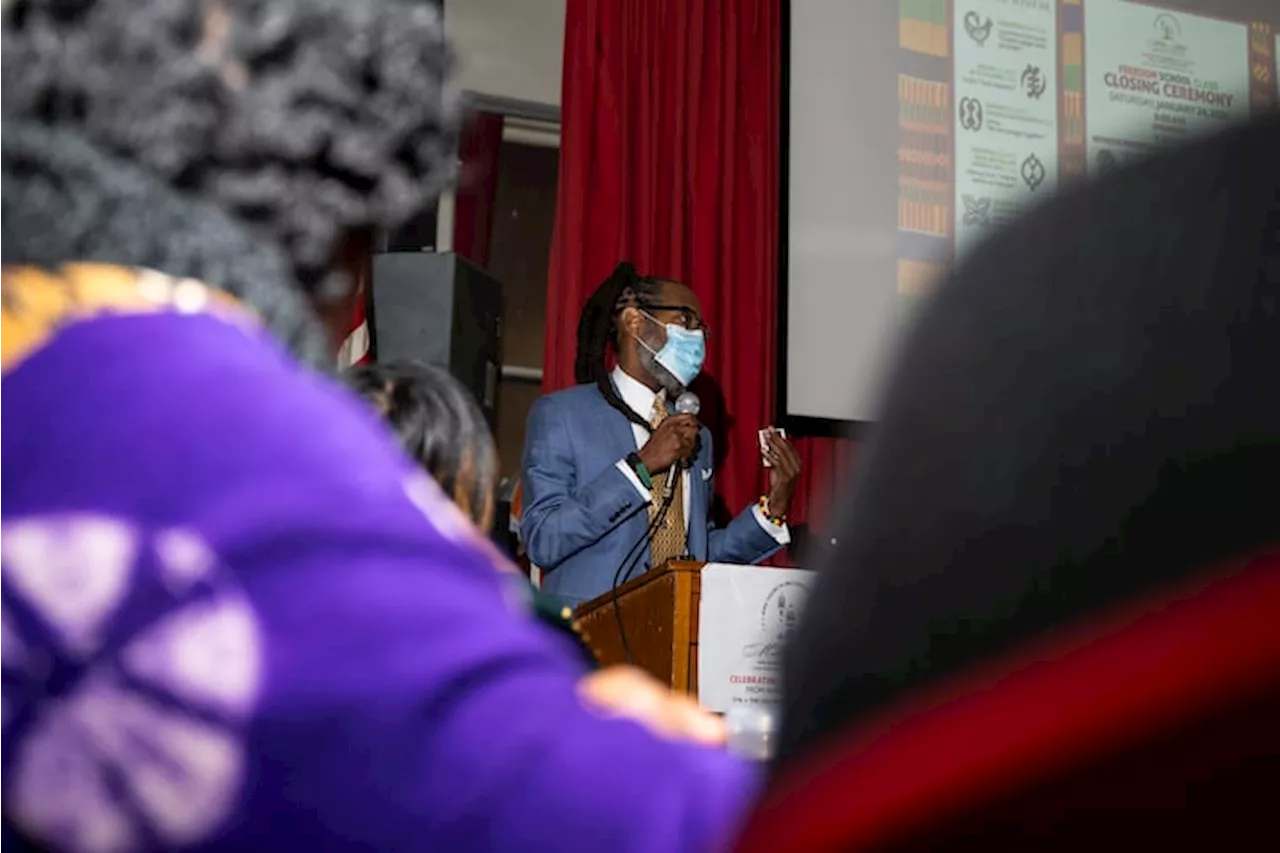
Activist and attorney Michael Coard has pledged to restore the slavery memorial at the President’s House site in Philadelphia, following its dismantling under the Trump administration. Coard, a founding member of the Avenging the Ancestors Coalition (ATAC), made this announcement on January 24, 2026, during an event at Mother Bethel A.M.E. Church, where he urged supporters to “stand up, fight back and resist.”
The President’s House, located on Independence Mall, was the first mansion of the United States presidency and a site where enslaved individuals lived. Nearly twenty-five years ago, a coalition of Black activists, including Coard, fought to memorialize the lives of nine people enslaved there. Their work culminated in the creation of educational exhibits detailing the realities of slavery, which have now been removed.
Coard emphasized the importance of maintaining the memorial’s presence at its original location. “There’s only one first White House where Black people were enslaved. There are no alternatives,” he stated to approximately 60 attendees at the church event. His remarks reflect a commitment to preserving history in a manner that honors those who suffered under slavery.
The removal of the exhibits aligns with directives from the Trump administration, which sought to eliminate content deemed to “inappropriately disparage Americans past or living” from federal lands. This policy has been criticized as an attempt to whitewash historical narratives, particularly surrounding slavery and its legacy. Coard indicated that ATAC is preparing a multi-faceted response, hinting at potential legal action without providing further details.
In the wake of the memorial’s removal, community members expressed their sorrow and frustration. Tributes, including flowers and signs reading “Slavery was real,” were placed at the site, demonstrating the emotional impact of the exhibits on the public. Activists also posted messages, such as “Learn all history,” aimed at raising awareness about the significance of these historical narratives.
Coard commended the community’s response, stating, “We support and commend those who are doing something. If that’s simply liking a social media post about resisting, do that. If it’s taking signs and other items down to the site, do that.” His call to action highlights the importance of grassroots activism in preserving historical memory.
The memorial’s erasure has sparked conversations about broader historical recognition in the United States, particularly as the nation continues to grapple with its complex past. Coard’s determination to restore the memorial reflects a commitment to ensuring that the histories of enslaved individuals are not forgotten.
Bishop Richard Allen, a former slave and founder of Mother Bethel, was featured prominently at the site, which is known as the oldest church property in the United States continuously owned by Black people. The ongoing efforts to restore the memorial are part of a broader movement to ensure that the full narrative of American history is told, including the darker chapters of slavery and its lasting effects on society.
As the situation develops, the National Park Service has yet to publicly comment on the removal of the memorial and the potential for its reinstatement. The community remains vigilant, advocating for a historical narrative that honors the lives and contributions of those who were enslaved.