A proposal for significant salary increases for Baltimore County council members has sparked considerable public outrage. The new recommendations from the Personnel and Salary Advisory Board could raise council members’ salaries from $69,000 to $140,000, and the chair’s salary from $77,000 to $150,000. This shift, linked to a prior bill that ties pensions to salary increases, has raised concerns about potential increases in pension payouts for county leaders.
Political expert John Dedie expressed his discontent, stating, “Initial reaction, it continues with the Baltimore County rich history of pay for play.” He highlighted that in some instances, increased pensions could nearly double for council members. Former County Councilman Tom Quirk criticized the proposal as “self-dealing,” suggesting that it might enable some council members to earn more from their pensions than from their salaries.
Amid this controversy, council members like Julian Jones have noted that the expansion of the County Council complicates the situation. Jones commented on the issues surrounding the legislation, stating, “I never thought that changing the salary calculations to full-time, even though the position is still part-time, was a good idea.” He expressed his belief that the salary changes should not have been included in the same ballot initiative as council expansion.
Jones, while opposing the new salary recommendations, has yet to propose a specific alternative. He stated his intention to pursue a charter amendment aimed at “slashing County Council salaries and pension benefits.” He emphasized the need to address the disparity of full-time compensation for a part-time position, saying, “Ending cost-of-living adjustments won’t get us anywhere near where we used to be.”
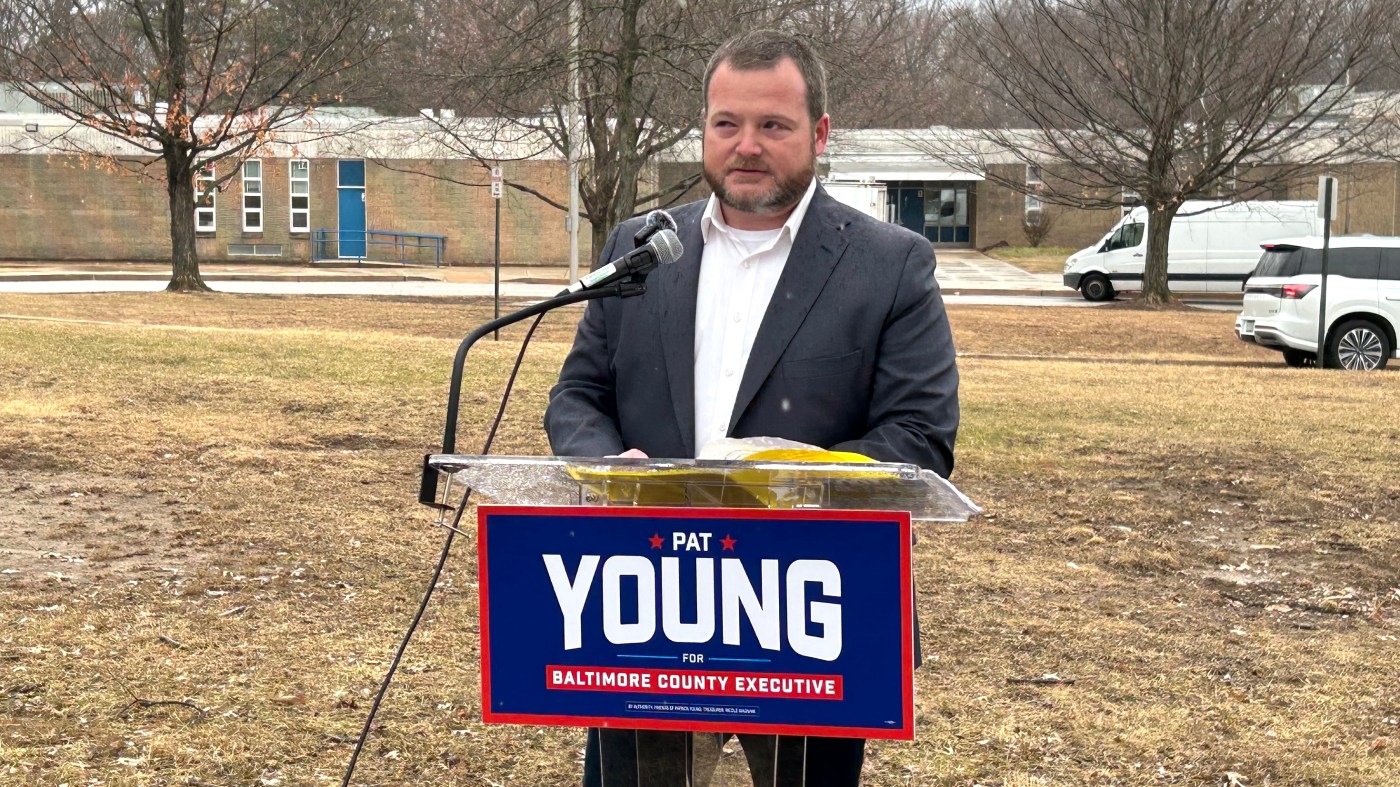
Concerns about the lack of transparency in the decision-making process were echoed by Councilman Pat Young. He remarked, “I’ve been clear from the beginning that the process surrounding these structural changes lacked the transparency the public deserves.” Young expressed dissatisfaction with the manner in which significant decisions were advanced without adequate public consultation. “Baltimore County residents should never be treated as an afterthought,” he added.
Councilman Izzy Patoka also firmly opposed the salary recommendations, describing them as “extraordinarily high and not appropriate.” As of now, the County Council has not scheduled a vote on the recommendations. According to Justin Silberman, Patoka’s Chief of Staff, while the council cannot increase the recommendations, it does have the authority to vote to decrease the proposed amounts.
The controversy has drawn attention from several candidates for the upcoming County Executive election. Nick Stewart, a candidate, criticized the legislative changes that could enable council members to receive significantly higher pensions. He specifically called for the repeal of Bill 40-24, which allows for pension recalculations based on changes to council members’ compensation.
Stewart remarked, “The fact that the County Council and every candidate who is running for county executive voted for this to double their pensions for a lifetime when there’s this much pain and suffering in our county is morally unjustifiable and wrong.” He emphasized the need for a shift away from perceived insider benefits and called for a government that prioritizes public trust.
In light of the backlash, the Baltimore County Council faces a critical decision regarding the proposed salary increases. As public sentiment continues to grow against the recommendations, the council must navigate the complexities of governance, transparency, and accountability in their upcoming discussions.