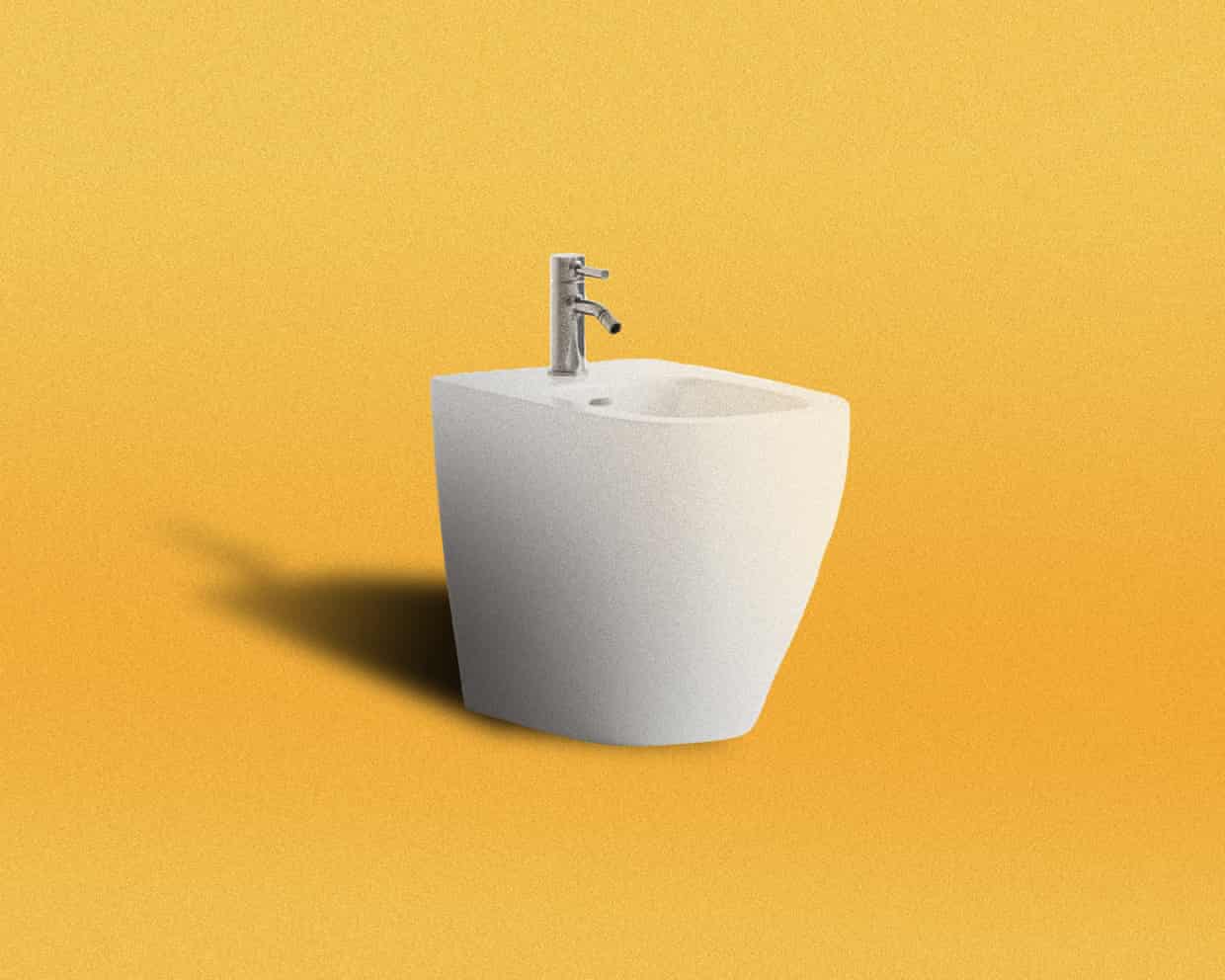
New York City Mayor Zohran Mamdani and his wife, Rama Duwaji, are set to install bidets in their official residence, Gracie Mansion. This decision marks a potential cultural shift in American bathroom habits, as the couple aims to normalize the use of bidets, also known as shattafs or bum guns, across the United States.
The couple’s initiative may encourage more Americans to adopt a practice that is commonplace in many parts of the world. In countries like Egypt, where Mona Eltahawy grew up, washing after using the toilet is standard. Eltahawy, an author and feminist commentator, highlights the stark contrast between her upbringing in Cairo and her experiences in the U.S. Her journey reflects the cultural nuances of bathroom hygiene, shaped by her Egyptian heritage.
In Egypt, bathrooms are typically equipped with fixtures designed for washing, whether it be a bidet, a standalone basin, or a shattaf—a device that sprays water for cleaning. Eltahawy describes the shattaf as her preferred option, allowing users to control the water pressure. This practice is not just a cultural preference but also a matter of hygiene that many Egyptians regard as essential.
Mamdani, who is 34 years old and the youngest mayor of New York City since 1892, is also the first Muslim and South Asian to hold this position. Duwaji, aged 28, is not only the youngest first lady of New York City but also the first Gen Z and first Muslim to assume the role. Their backgrounds add a layer of significance to their decision, as both embody a blend of cultural identities that may influence public attitudes towards bathroom hygiene.
The couple’s actions come at a time when discussions around hygiene have become more pronounced, particularly during the COVID-19 pandemic. Eltahawy recalls a moment during the toilet paper shortage when she hoped the crisis would prompt a shift towards bidet adoption. Although sales of bidets did see an increase, widespread acceptance in the U.S. remains limited.
In 1975, Eltahawy experienced a profound culture shock when her family moved from Cairo to London, where bathrooms often lacked washing fixtures. She recounts the horror of not having a bidet or shattaf and the makeshift solutions her family devised to maintain hygiene. This adjustment continued when they moved to Saudi Arabia in 1982, where bidets and shattafs were once again standard.
As Mamdani and Duwaji prepare to install bidets, the couple is poised to challenge the status quo of American bathroom habits. Eltahawy expresses her hope that their influence will make the act of washing after using the toilet more accepted and even fashionable.
In a society where bathroom practices can be a source of discomfort and stigma, Eltahawy urges Americans to embrace the bidet. She believes that the push for better hygiene should not be a matter of embarrassment but rather a step towards improved health and cleanliness.
As the conversation around bidets gains traction, the actions of Mamdani and Duwaji may catalyze broader acceptance of this hygienic practice, encouraging many to reconsider how they approach personal cleanliness. Eltahawy concludes with a call to action: “Install that bidet, bum gun, or shattaf. You’ll thank me later.”
With this new chapter in New York City’s history, the bidet may soon find its place in American homes, transforming bathroom culture one installation at a time.