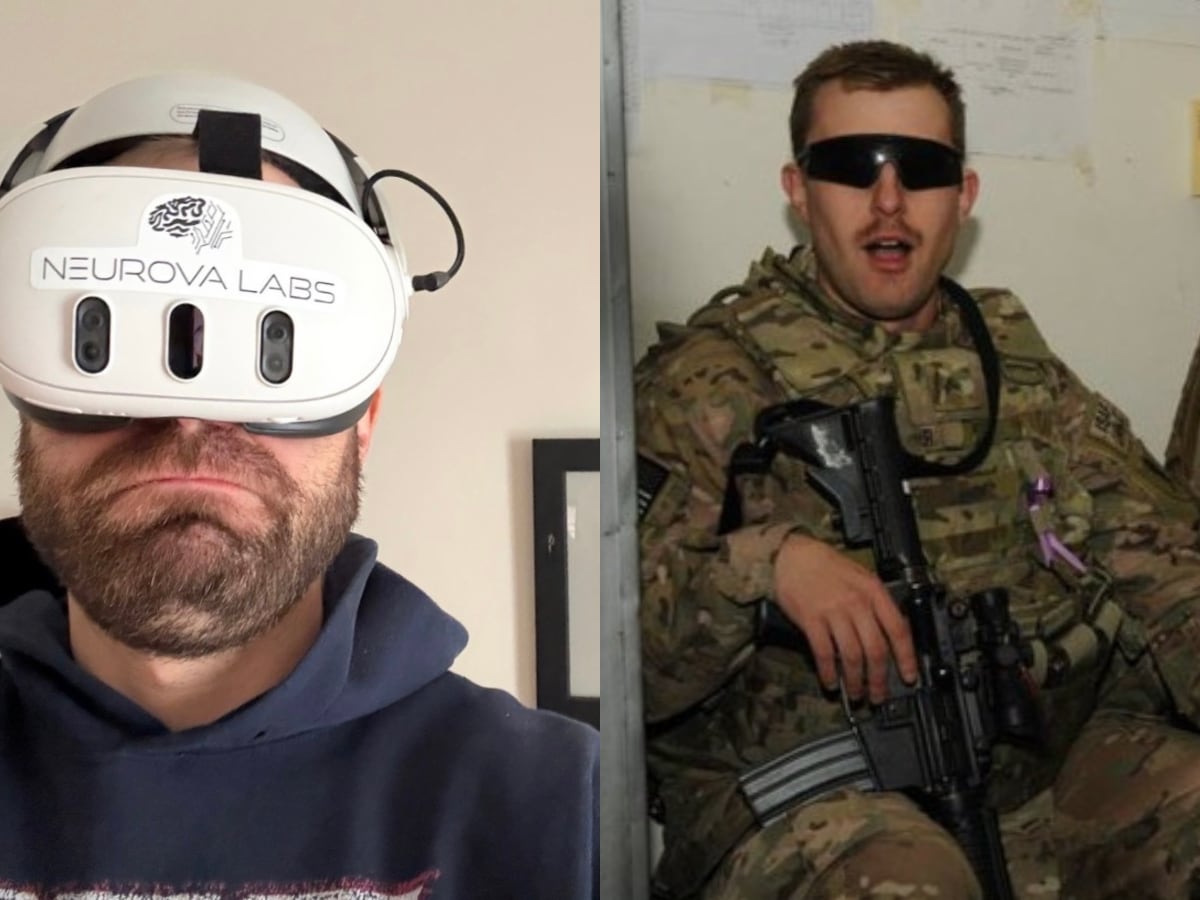
A veteran’s journey through virtual reality therapy has highlighted its potential in treating post-traumatic stress disorder (PTSD). After experiencing a traumatic event in southern Afghanistan in May 2014, the individual sought alternative treatment methods to manage ongoing symptoms. This account provides insight into the effectiveness of a three-week therapeutic program developed by Neurova Labs.
The veteran was serving as a public affairs specialist when a vehicle-borne improvised explosive device detonated nearby. The explosion resulted in a traumatic brain injury, partial deafness in the right ear, and persistent tinnitus. Ongoing symptoms included memory loss, light sensitivity, and sudden anxiety attacks. Faced with these challenges, the veteran approached the Neurova Labs program as a potential solution, not as a paid endorsement but as a genuine effort to find relief.
Launched in 2024, the therapy follows a structured regimen over three weeks, consisting of two active weeks with sessions held four days each week. Each session lasts between 45 minutes to one hour and starts with a warm-up using a commercial application focused on fast-paced interaction with a virtual pistol. This engaging beginning sets the stage for the core of the therapy, which involves target practice-style scenarios in a controlled VR environment.
Each session includes five rounds of practice, with each round lasting approximately five minutes. The pacing is steady, fostering a sense of immersion without overwhelming the participant. Sessions conclude with a cooldown period designed to transition users from a heightened state of alertness to a more relaxed state, featuring calming sounds and soft music.
Initially skeptical about the effectiveness of a technology-driven approach to trauma symptoms, the veteran was surprised by the positive changes observed during the therapy. Notably, sleep quality improved significantly. Prior to beginning the program, waking at 4 or 4:30 a.m. was routine, often resulting in difficulty returning to sleep. By the second week of therapy, the veteran was sleeping until around 8:30 a.m. and experiencing a shorter time to fall asleep, positively impacting daily mood and energy levels.
Beyond sleep improvements, the therapy also influenced the veteran’s response to stress. As a freelance writer, the pressures of deadlines and uncertainty can often lead to heightened anxiety. During the course of the therapy, there was a noticeable reduction in the intensity and duration of the fight-or-flight response. While stressors remained, the ability to manage them more effectively contributed to an overall sense of calm.
Another promising aspect of the Neurova Labs program is its ongoing development. During the three-week usage, multiple software updates were implemented, indicating a commitment to refining the product. This approach stands in contrast to many existing veteran treatment programs that often feel static and unresponsive to user needs.
Accessibility emerged as a significant strength of the Neurova Labs model. Traditional treatment pathways, particularly through the Department of Veterans Affairs, can be fraught with challenges such as long waits and complicated procedures. Such barriers often lead to disengagement from necessary care. In contrast, the VR therapy can be conducted in the comfort of one’s home, allowing veterans to schedule sessions according to personal needs. This level of autonomy transforms therapy from an obligation into a more inviting experience.
Flexibility in the approach was evident among other users as well. One former Marine described utilizing the therapy as a situational tool, opting to log sessions around known stressors rather than adhering to a strict schedule. This adaptability suggests potential for broader applications, particularly for veterans navigating work and family commitments alongside ongoing care.
It is essential to clarify that this therapy is not a cure-all or a substitute for traditional counseling or psychiatric care. The program does not claim to replace evidence-based treatments. Instead, it serves as an entry point, encouraging users to seek additional support. For the veteran, experiencing tangible improvements in one area fostered a willingness to explore further therapy options, including reengagement with the VA.
Overall, the three-week experience led to noticeable enhancements in quality of life. Improved sleep, steadier mood, and reduced anxiety in social situations marked significant progress. As Neurova Labs continues to develop its product and expand accessibility, its approach may represent a meaningful shift in veteran care—meeting individuals where they are rather than forcing them into systems they may distrust.
Ultimately, the most profound takeaway for the veteran was a renewed sense of hope, an essential element in continuing the journey toward healing.