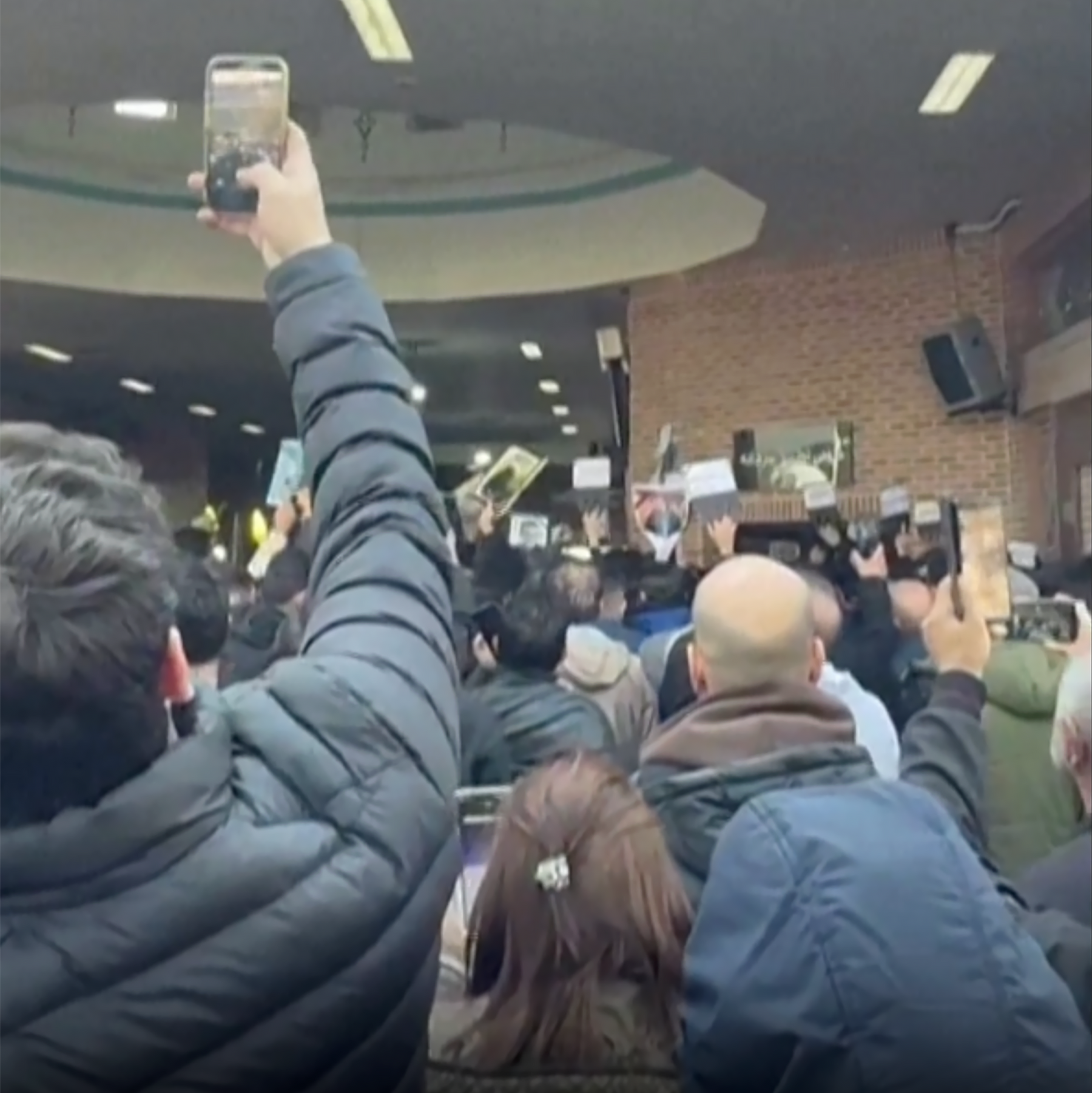
Witness accounts and video evidence have emerged from Tehran’s Shahdad Cemetery, revealing instances of disrespectful treatment of victims who died during the protests that erupted across Iran in November 2022. As families mourn, the situation has drawn criticism from human rights activists, who highlight the brutality of the government’s crackdown on dissent.
During the protests, which were sparked by the death of Mahsa Amini, thousands took to the streets demanding justice and reform. The Islamic Republic’s response was severe, resulting in the deaths of numerous individuals. Reports indicate that around 529 people lost their lives, with many others injured or detained.
Witness Testimonies and Evidence
Eyewitnesses at the cemetery have described how bodies of protest victims were treated with a lack of dignity. Some families report being denied the opportunity to hold traditional mourning ceremonies. Videos circulating on social media show graves being hastily dug and marked with no regard for the deceased’s identity or their families’ wishes.
The International Federation for Human Rights has issued statements condemning these actions. They emphasize that the treatment of the dead reflects a broader pattern of state violence and a systematic disregard for human rights in Iran. Activists assert that these actions not only violate the dignity of the deceased but also further traumatize families already grieving the loss of loved ones.
Government’s Response and Implications
The government has remained largely silent on the allegations of disrespectful treatment. This lack of response has fueled outrage both domestically and internationally. Amnesty International has called for an independent investigation into the treatment of protest victims and has condemned the Iranian authorities for their handling of the situation.
As the world watches, the implications of these actions extend beyond Iran’s borders. The treatment of victims is becoming a focal point for discussions on human rights violations within the country. Global leaders and organizations are increasingly calling for accountability, urging the Islamic Republic to respect the rights of its citizens, even in death.
The situation remains fluid, with ongoing protests indicating that the demand for change in Iran is far from over. Families continue to seek justice for their loved ones, while human rights organizations work to spotlight these injustices. The international community’s response may play a crucial role in shaping the future of human rights in Iran.