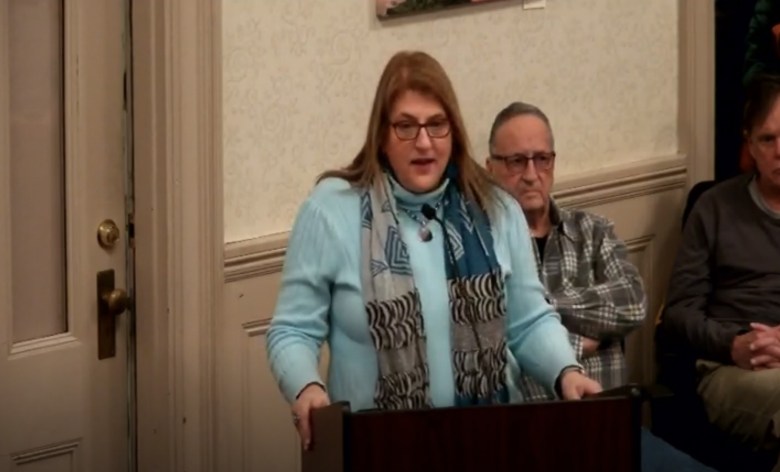
The Biddeford City Council voted against a proposed 90-day moratorium on mobile home lot rent increases during a meeting on October 24, 2023. The decision, reached with a 6-3 vote, came despite emotional appeals from residents who fear that continued rent hikes could force them from their homes. Councilors Brad Cote, David Kurtz, and Abigail Woods supported the moratorium, highlighting the financial strain on mobile home residents.
Residents at Granite Estates, a mobile home park primarily for those aged 55 and older, voiced their concerns about rising costs. Many noted that the affordability they once enjoyed has diminished significantly since the park was sold to the out-of-state company, Philips International. Donna Porter, a resident since 2020, reported that her monthly rent has surged from $350 to over $600. “Our incomes have not gone up,” Porter stated, emphasizing the challenge of living on a fixed income.
Carol Normand, another resident, expressed her anxiety about the increasing rent, stating that even with a job, the affordability of living in Granite Estates is rapidly declining. “Regardless of my income, it’s still expensive to live there,” she said. Residents like Normand and Porter are not alone; many across Maine are vocalizing similar grievances regarding rent increases, particularly in parks sold to larger companies.
Local and State Responses to Rent Increases
Concerns over mobile home rent increases have led to action at various levels of government. In October, the nearby city of Saco implemented an emergency moratorium to halt rent hikes. Similarly, in November, residents in Arundel sought a moratorium but were ultimately turned down.
The Maine Legislature has also taken steps to address these issues by enacting laws intended to shield mobile home residents from drastic rent increases. One of the new laws requires park owners to provide a 90-day notice before implementing any rent hikes and allows residents to request mediation for negotiations. Despite these measures, residents are expressing skepticism about their effectiveness.
Chris Parsons, a Biddeford resident, commented on the broader implications of the current situation, stating, “I’m not against a business trying to make money, but we have a rather unfair situation in a sense. The people who are living here have lived in Maine their whole lives, and we believe in treating people fairly.”
Cote, who represents Ward 7 on the council, introduced the moratorium proposal after hearing from residents about their struggles. He argued that a temporary freeze on rent increases would provide the city with necessary “breathing room.” “It has to make sense,” he remarked, acknowledging the need for some balance between business interests and the well-being of residents.
Councilors Divided on the Issue
Not all council members agreed with the proposed moratorium. At-large Councilor Marc Lessard expressed concern that limiting rent increases could lead to unintended consequences for park owners and their investments. “This is just a path to control businesses on investment,” he stated, indicating his belief in the need for market-driven solutions.
The rejection of the moratorium leaves residents uncertain about their future. As rent prices continue to climb, many face the painful reality that they may have to leave their homes. “This generates a lot of anxiety and fear,” Normand noted, highlighting the limited availability of affordable housing options.
With the council’s decision, the immediate future for mobile home residents in Biddeford remains uncertain, but their calls for relief from rising costs are likely to continue echoing in the community. The situation underscores a growing crisis in affordable housing across Maine and the challenges faced by residents who seek stability in their living conditions.