A recent American military operation that resulted in the capture of Venezuelan President Nicolás Maduro has ignited discussions regarding the appropriate titles and names for various government entities. On January 3, 2024, during the live coverage of the event, several journalists referred to Pete Hegseth as the “secretary of war,” a title that President Donald Trump has informally suggested through executive order. This has raised questions about how media outlets, particularly NPR, should navigate the evolving language surrounding these designations.
As part of their editorial guidelines, NPR advises journalists to utilize the title “secretary of defense” when referring to Hegseth, as well as to maintain the term “Department of Defense.” The network emphasizes that the formal name cannot be changed without congressional approval, despite Trump’s push for new terminology. NPR’s managing editor for standards, Tony Cavin, highlighted the need for clarity and legality in language. He stated, “The main rule is if it becomes something that almost anybody of any stripe is saying, then that’s how language changes.”
In the live broadcast, the use of “secretary of war” emerged multiple times, with host Daniel Estrin and senior correspondents Greg Myre and Franco Ordoñez all mentioning the term. This incident illustrates the challenges journalists face when attempting to remain neutral while accommodating evolving titles that reflect the current administration’s perspective. NPR’s approach aims to inform the public without aligning with any political ideology.
Debate Over Language Changes
The discussion extends beyond military titles. Trump has also renamed the Gulf of Mexico to the “Gulf of America” and referred to the Kennedy Center as the “Trump-Kennedy Center.” Additionally, he has reverted the name of North America’s tallest peak from Denali back to Mount McKinley. Linguist John McWhorter noted that efforts to impose language changes often fail. He pointed to historical examples, such as the short-lived renaming of “freedom fries” during the Iraq War, as evidence that natural language evolution is more effective than top-down mandates.
NPR’s editorial stance on these name changes reflects a commitment to established terminology. For instance, the network continues to refer to the Gulf as the Gulf of Mexico, as it is recognized internationally. Likewise, the Kennedy Center retains its original name until legal challenges to the proposed changes are resolved. In the case of Mount McKinley, the name has reverted officially, but the National Park remains known as Denali.
Audience Reactions and Media Responsibility
As NPR navigates these changes, audience feedback has been mixed. Some listeners argue for the adoption of new titles to respect the administration’s choices, while others express concern about the implications of such changes on public discourse. The challenge remains for journalists to balance reporting with audience expectations while ensuring language remains clear and meaningful.
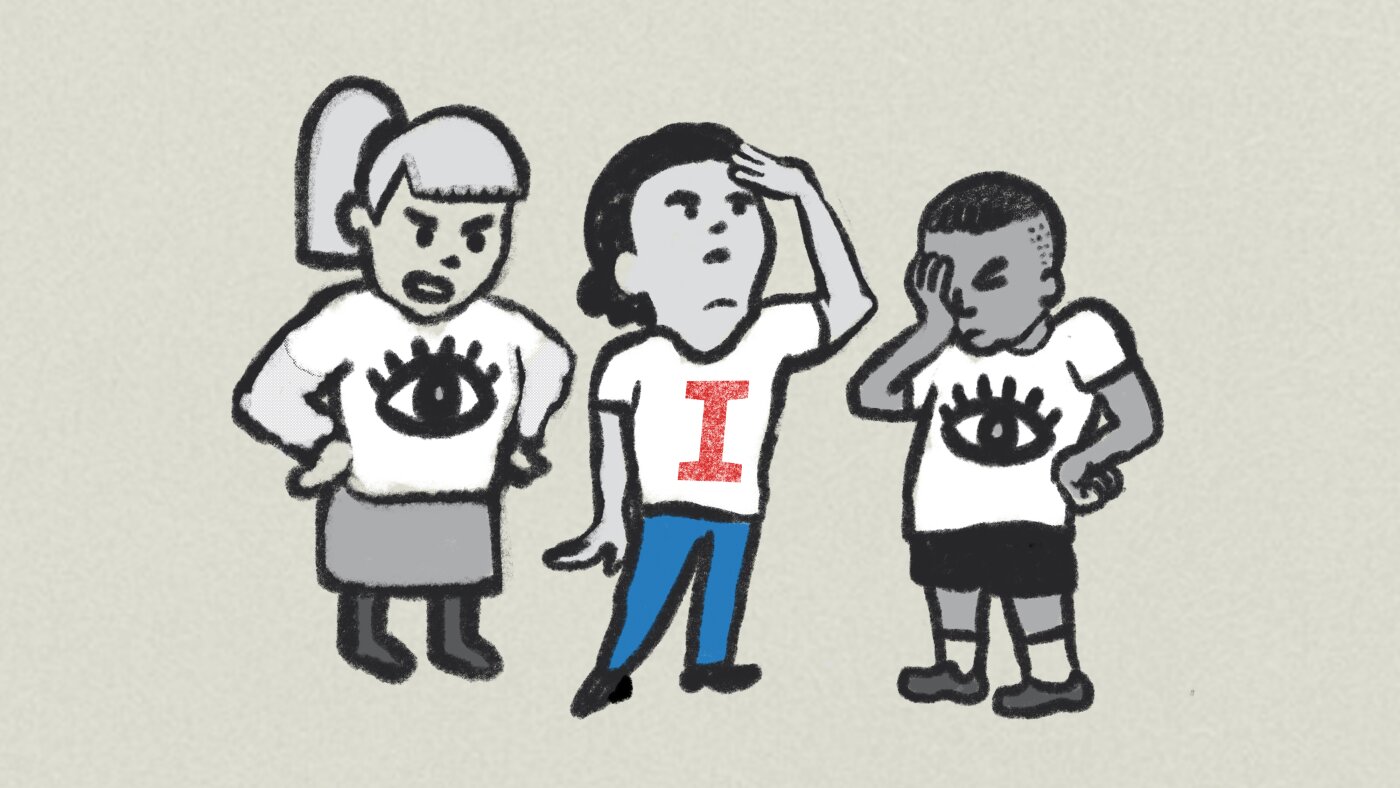
The importance of language in a democratic society cannot be overstated. Communication relies on shared understanding, and any attempts to manipulate language can lead to confusion and misinterpretation. Pope Leo XIV recently warned about the dangers of “Orwellian language,” which can obscure meaning and impede genuine expression.
NPR, along with other news organizations, is tasked with the responsibility of delivering information that is both accurate and accessible. This involves using familiar terminology while also acknowledging new references as they emerge. By doing so, media outlets can better serve the public and foster informed discussions about the evolving landscape of political language.