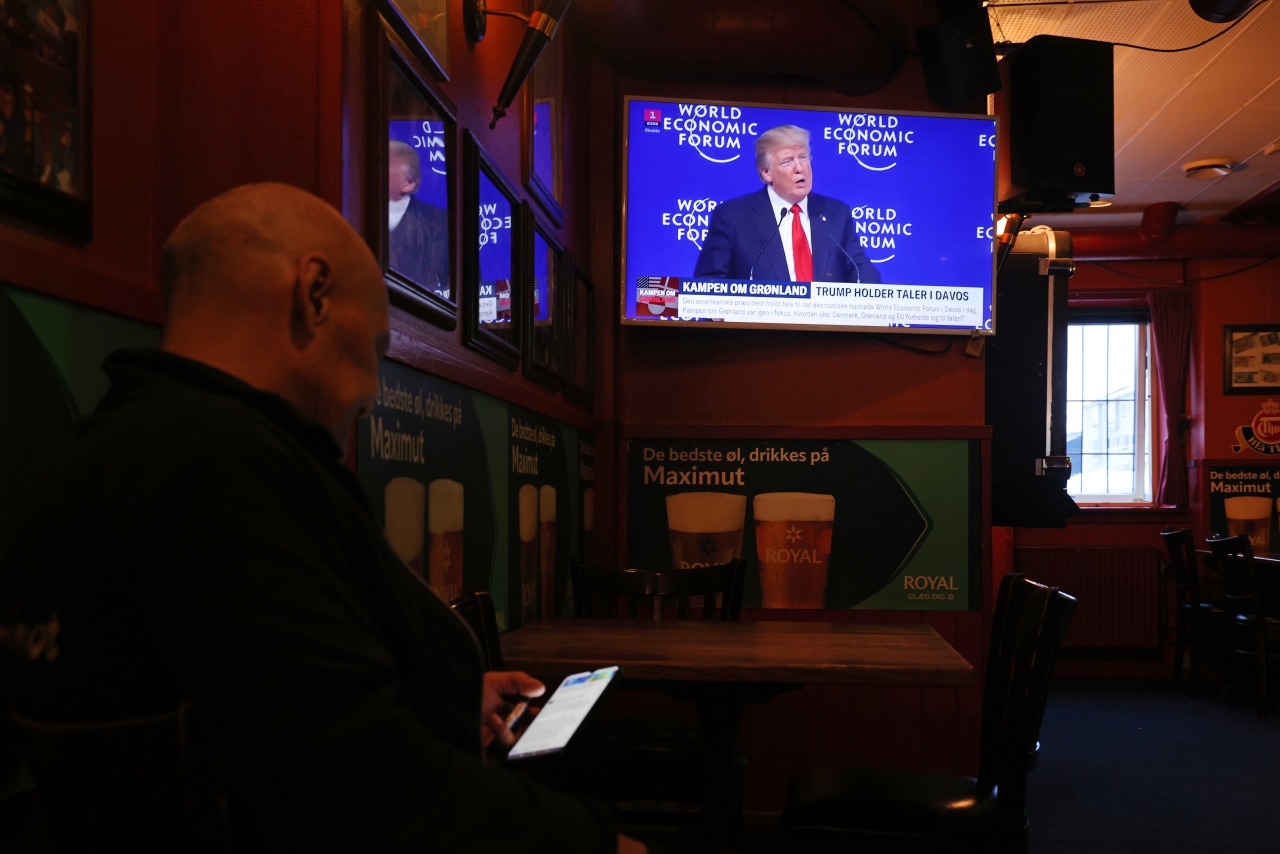
President Donald Trump has shifted his stance on the proposed acquisition of Greenland, leaving many questions about the future of this controversial initiative. Following an unexpected announcement, Trump has called off efforts to acquire the autonomous territory of Denmark, which sparked a mix of alarm and speculation among political analysts and international observers.
The proposal to purchase Greenland was met with widespread criticism, particularly from Danish officials. The White House had initially touted the acquisition as a strategic move, citing Greenland’s resources and geopolitical significance. However, the abrupt turn in Trump’s approach has left stakeholders unsure about the implications for U.S.-Denmark relations and the broader geopolitical landscape.
Reactions and Implications
In the wake of Trump’s announcement, Danish Prime Minister Mette Frederiksen expressed relief that the sale was no longer on the table. She had previously characterized the idea as “absurd,” emphasizing that Greenland is not for sale. The dialogue surrounding the proposal had raised tensions between the two nations, but Frederiksen’s response suggests a desire to return to cooperative discussions.
Political analysts are now considering what this reversal means for U.S. foreign policy. The initial proposal was seen as an attempt to bolster American influence in the Arctic region, an area increasingly important due to climate change and resource exploration. With the deal now off the table, experts are left to question how the United States will engage with its allies in the Arctic moving forward.
Meanwhile, discussions surrounding Greenland’s future remain critical. The island’s local government has expressed a desire for increased autonomy. As the situation evolves, local leaders may seek to redefine their relationships with both Denmark and the United States, potentially impacting regional stability.
The Broader Context
The interest in Greenland is emblematic of larger geopolitical shifts, particularly in the Arctic, where nations are vying for control over resources and shipping routes. Trump’s initial interest in Greenland aligned with a broader strategy to assert U.S. dominance in the region. The withdrawal of this proposal invites speculation about the U.S. commitment to Arctic partnerships and environmental issues.
While Trump’s administration has focused on economic growth, the abrupt cancellation of the Greenland acquisition raises concerns about the administration’s consistency in international dealings. Analysts suggest that this situation may have repercussions for future negotiations involving U.S. interests abroad.
As the international community processes this latest development, the focus will likely shift to how both the United States and Denmark will navigate their relationship post-proposal. The absence of clarity surrounding the next steps leaves open the possibility for further discussions or unexpected developments in Arctic policy.
The situation remains fluid, and the impact of Trump’s decision will continue to unfold in the coming weeks. Observers from both nations are keenly watching as they await further statements from the White House and the Danish government, hoping for a constructive path forward in their bilateral relationship.