BREAKING: Activists across Minnesota are mobilizing at unprecedented levels following the fatal shooting of Renee Good by an Immigration and Customs Enforcement (ICE) officer earlier this month. Reports indicate that interest in becoming legal observers has surged threefold, reflecting a heightened community response to federal enforcement actions.
Just one day after Good’s tragic death on January 7, advocacy group COPAL noted a remarkable increase in volunteers eager to participate in monitoring ICE activities. “The killing of Renee Good lit a fire under the community,” stated Ryan Perez, COPAL’s organizing director. “It really is a remarkable moment.”
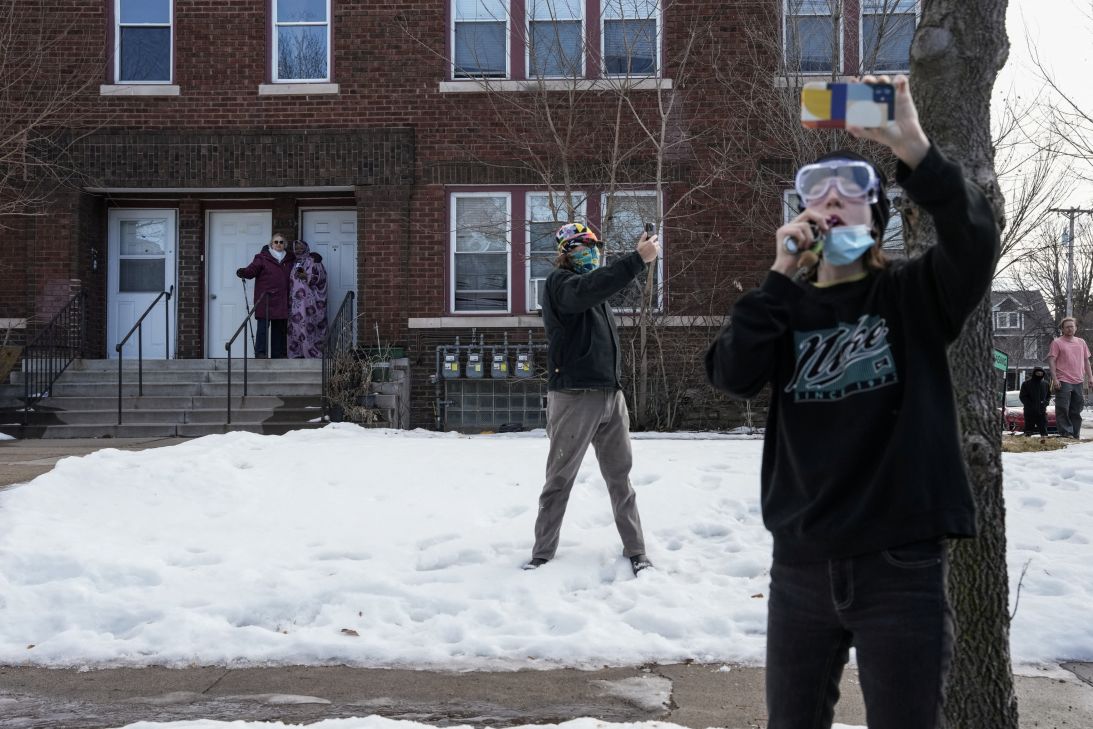
With the Minneapolis area now at the epicenter of aggressive federal immigration operations, thousands of volunteers are stepping up to document arrests and warn their communities. Some volunteers are even tailing ICE agents in vehicles while others utilize whistles to alert community members of ICE presence. These actions come amid heightened scrutiny following Good’s death, which has ignited protests across the country.
Good, a community leader and mother of three, was involved in initiatives aimed at monitoring and potentially disrupting ICE operations. She was shot by an ICE officer while allegedly attempting to maneuver her SUV away from the agents. Video evidence from the incident remains unclear on the exact circumstances leading to the shooting.
Activists like Kateri Heymans, a 29-year-old Spanish teacher in Minneapolis, have joined these efforts, alarmed by the surge of federal agents in their communities. “Safety concerns are a daily reality,” said Andrew Wills Garces from the North Carolina immigrant worker group Siembra NC, highlighting fears that the Trump administration labels legal observers as “domestic terrorists.”
Nationwide, training for ICE observers now includes tactics for documenting federal officers’ actions and safely alerting those nearby. Legal experts assert that these activities are protected under the First Amendment. “Using whistles to signal that law enforcement is present is expressive activity,” explained Gregory Magarian, a law professor.
However, the legal landscape remains complex. While documenting and sharing information about ICE agents is generally protected, any intent to incite violence could lead to legal repercussions. The Trump administration has raised concerns about activists posting personal information about agents, suggesting that such actions may be unlawful.
The pressure on ICE has intensified, with reports of violent tactics during arrests, including shattering car windows. Tricia McLaughlin, Assistant Secretary of the Department of Homeland Security, defended agents, stating they face significant risks and must employ minimum force to ensure safety.
As community members rally together, volunteers are strictly advised to maintain a distance from ICE agents and avoid any physical obstruction. “We have a 100% no obstruction protocol,” Perez emphasized, underscoring their commitment to non-violent monitoring.
As activism escalates, many feel emboldened, driven by increasing violence from law enforcement. “There’s so much violence from law enforcement against community members, and yet there’s also more bravery than ever,” Perez added.
With tensions rising and community responses intensifying, the situation continues to develop. Activists and legal observers are increasingly vigilant, prepared to act in defense of their rights and those of their neighbors. The stakes are high, and the urgency of this movement cannot be understated.
Stay tuned for further updates on this evolving situation.