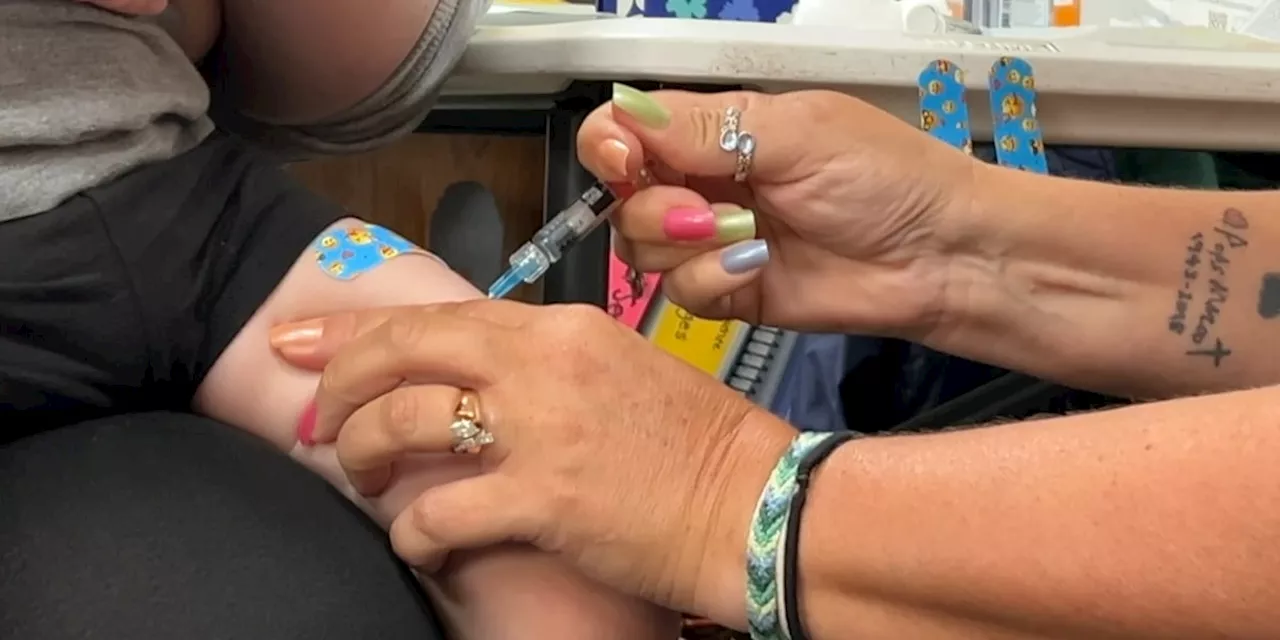
A recent poll conducted by the Ohio Chapter of the American Academy of Pediatrics (Ohio AAP) reveals significant insights into Ohioans’ attitudes toward childhood vaccinations. Set to be released on Tuesday afternoon, the poll was commissioned in October 2025 and developed by the Bowling Green State University Democracy and Public Policy Research Network. It encompasses 14 questions covering topics such as vaccine requirements, safety, benefits, and information sources.
As vaccine skepticism continues to rise, particularly in the wake of the COVID-19 pandemic, the issue of childhood immunizations has gained renewed attention. Many parents are increasingly hesitant to vaccinate their children against diseases, notably the Measles, Mumps, and Rubella (MMR) vaccine. The survey, involving 800 registered voters and with a margin of error of +/- 4.5 percentage points, sought to gauge public sentiment on these pressing health matters.
The findings indicate that a large majority of respondents support routine vaccinations. Notably, 86% of Ohioans believe that routine vaccines are very safe or safe for most children. Additionally, 89% expressed confidence in their pediatricians or family physicians, stating that these healthcare providers offer the necessary information to make informed vaccination decisions.
Public support for vaccination requirements is also strong, with 75% of respondents advocating for mandatory vaccinations against preventable diseases. The effectiveness of vaccines emerged as a major factor, with 88% attributing their support to the belief that these immunizations effectively protect children. Specifically, 85% of participants endorsed the polio vaccine as a critical measure for children’s health.
While trust in traditional medical advice remains high, skepticism towards social media as a reliable information source is evident. The poll found that 83% of Ohioans do not trust their social media feeds to provide accurate vaccine information, highlighting a growing concern about misinformation in the digital age.
As the Ohio AAP prepares to share these results, the implications for public health policy and childhood vaccination initiatives are significant. The findings underscore the importance of fostering trust in healthcare providers and addressing the challenges posed by vaccine misinformation.
The release of this poll is part of ongoing efforts by health organizations to engage the public in dialogue about vaccinations and ensure that children receive necessary immunizations to protect their health and the health of the community.