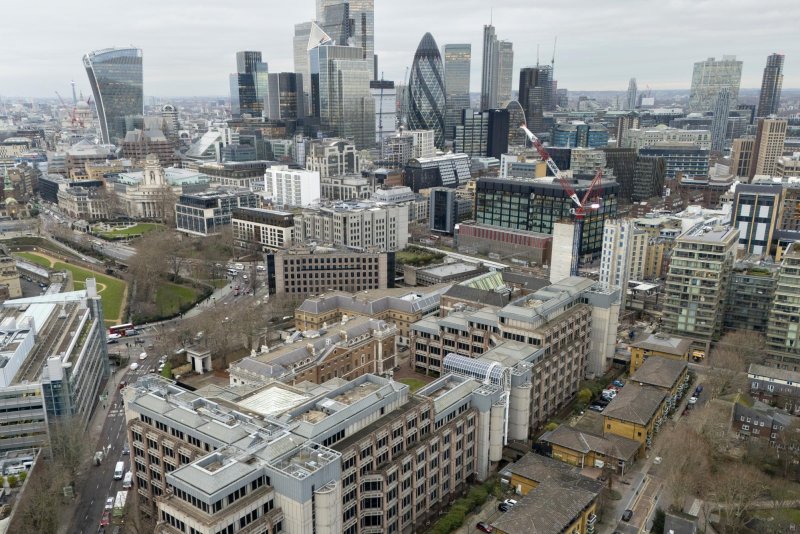
The British government has officially approved plans for a new Chinese embassy in central London, a project that has drawn significant controversy and opposition. The decision, made on January 20, 2024, clears the way for a massive 215,000-square-foot facility, often referred to as a “super embassy,” after a lengthy seven-year delay.
Located near the City of London, the financial district, the site has raised concerns regarding national security and the potential for increased surveillance. Critics argue that the embassy could become a hub for espionage and target individuals seeking refuge from political persecution, especially given its proximity to crucial underground fiber-optic networks.
Local Opposition and Legal Challenges
Residents from the Royal Mint Court area have expressed strong opposition to the project, pledging to pursue legal action to prevent potential evictions associated with the embassy’s establishment. Mark Nygate, treasurer of the residents’ association, emphasized the community’s determination to challenge the government’s decision.
Despite these concerns, Communities Secretary Steve Reed stated that consultations with domestic and foreign intelligence agencies found no substantial risks that would warrant rejecting the planning application. He noted, “No bodies with responsibility for national security, including the Home Office and Foreign Office, have raised concerns or objected to the proposal.” Reed further explained that the owners of the critical infrastructure also had not reported any issues.
A government spokesperson reiterated that establishing embassies is a standard practice in international relations, underscoring that diplomatic ties must be maintained.
Political Reactions and Security Concerns
The approval has drawn sharp criticism from opposition parties, including the Conservative Party, the Liberal Democrats, and Reform U.K. Shadow Communities Secretary James Cleverly condemned the approval as “a disgraceful act of cowardice.” He argued that the government’s primary duty is to ensure national safety, accusing Prime Minister Keir Starmer of compromising security for diplomatic approval from Beijing.
Shadow Foreign Secretary Priti Patel echoed these sentiments, alleging that the Labour government has continuously surrendered to the demands of the Chinese Communist Party. She stated that Starmer has prioritized pleasing Chinese President Xi Jinping over safeguarding the nation’s interests, referring to the embassy as “a colossal spy hub in the heart of our capital.”
The new embassy will be China’s largest worldwide and will include accommodations for 200 staff members, office spaces, and extensive underground facilities. The site, which contains protected buildings and a residential block, was purchased by the Chinese government for $339 million in 2018.
As the situation unfolds, the approval of the embassy is expected to remain a contentious issue, particularly with the upcoming visit of Prime Minister Starmer to Beijing, marking the first visit by a British leader since 2018. The community’s legal challenges and ongoing political debates will likely shape the future of this significant diplomatic development in London.