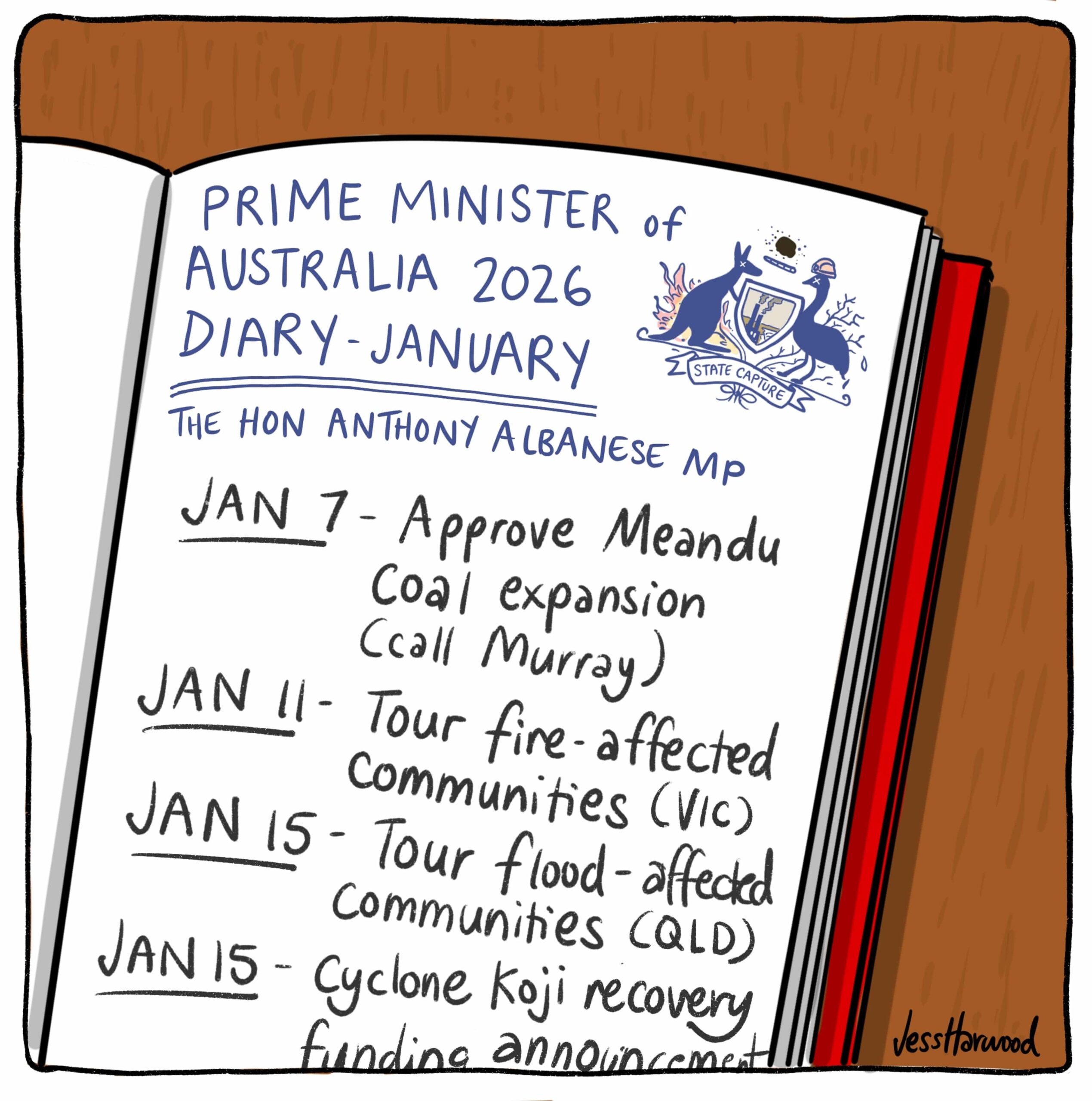
Anthony Albanese, the Prime Minister of Australia, has recently intensified his focus on environmental policies as the nation grapples with the pressing challenges of climate change. Throughout October 2023, his government has been under scrutiny for its strategies aimed at both reducing carbon emissions and transitioning to renewable energy sources.
The Prime Minister has emphasized the urgency of these issues, especially in light of upcoming international discussions. As Australia prepares for the United Nations Climate Change Conference, known as COP28, scheduled for November 30, 2023, the government is expected to present its revised climate action plan. This plan aims to address increasing concerns about Australia’s emissions levels, which have seen significant fluctuations in recent years.
Albanese’s recent announcements have highlighted the necessity for a comprehensive approach to climate action. The Australian government has pledged to reduce emissions by 43% by 2030 compared to 2005 levels. In a statement, Albanese noted that “Australia must do its part in the global fight against climate change.” His comments reflect a growing recognition of the need for immediate action to mitigate the impacts of climate change on Australian communities.
One of the key challenges facing the government is the balance between economic growth and environmental sustainability. Critics argue that the current policies may not be enough to meet the ambitious targets set by the Albanese administration. Recent reports indicate that Australia’s emissions rose by 2.3% in the last year, raising questions about the effectiveness of current measures.
In response to these challenges, the government is looking to invest in renewable energy projects, with an emphasis on wind and solar power. The aim is to transition the economy away from fossil fuels while creating new job opportunities in the renewable sector. Albanese has stated that “investing in clean energy is investing in our future,” underscoring the importance of sustainable development in the nation’s economic strategy.
As Australia approaches COP28, the international community will be closely monitoring the nation’s commitments and the effectiveness of its climate policies. The Prime Minister’s actions over the past month signal a pivotal moment for Australia in the global environmental landscape.
In conclusion, as October 2023 comes to a close, the Albanese government faces critical decisions that will shape the future of Australia’s environmental policy. How these strategies will unfold in the coming months remains to be seen, but the urgency for action has never been clearer.