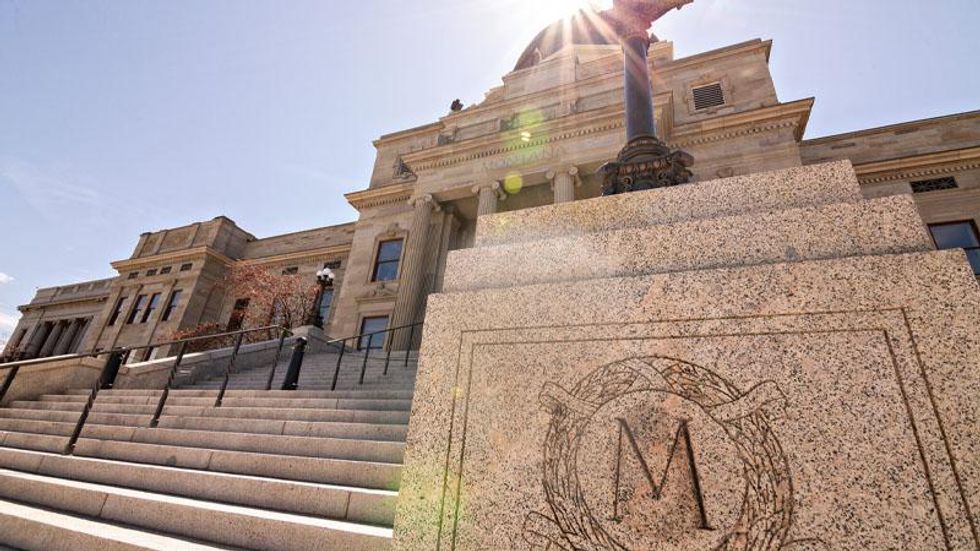
In mid-January 2024, residents in Montana are experiencing unusually warm winter temperatures, with readings in Helena reaching the mid-50s Fahrenheit. Nighttime temperatures are often remaining in the 40s, raising concerns among long-time residents about the implications of this seasonal shift. The state has been setting new high temperature records weekly, prompting questions about the reality of winter in a region known for its harsh cold.
The discrepancy between expected winter conditions and the current weather has left many Montanans uneasy. Newcomers to the state might appreciate the mild temperatures, but for those who have lived there for years, the lack of snow and the persistent brown landscape are alarming signs of environmental change. The mountains, typically blanketed in winter snow, are showing only patches of white at higher elevations, with reports indicating that snow depth is substantially below average.
Meteorologists are reporting that the Sno-Tel sites, which measure snow accumulation at various elevations, show contrasting results. While some areas indicate adequate snowfall, others reveal significantly low levels. An email from a local resident noted that snowmobilers have found good snow at approximately 2,743 meters in the Tobacco Root Mountains, but lower elevations remain stark and dry.
George Ochenski, a long-time environmental activist and columnist based in Helena, underscores the broader implications of these weather patterns. He emphasizes that the signs of climate change are becoming increasingly undeniable. According to Ochenski, the warnings issued by environmentalists over the past decades regarding the impact of human-caused pollutants are now manifesting in real and tangible ways in Montana.
Ochenski criticizes the current administration’s approach to environmental policies, particularly its support of the fossil fuel industry, which he argues has been detrimental. He points out that despite claims from some political leaders that climate change is a “hoax,” the evidence is visible to anyone observing the drastic changes in local weather patterns. These changes threaten the ecological balance necessary for sustaining Montana’s natural resources and the livelihoods dependent on them.
In addition, the state’s logging practices have come under scrutiny. Ochenski notes that there has been an increase in logging quotas from state forests, raising concerns about the long-term sustainability of these practices given the changing climate. As forest ecosystems are crucial for carbon sequestration, the push for increased logging may exacerbate the very problems that policymakers claim to address.
The ongoing environmental challenges in Montana reflect a broader global issue regarding climate change and the urgent need for sustainable practices. As temperatures remain unusually high, the call for action to protect the environment becomes increasingly critical. Montana’s residents, particularly those who have witnessed the state’s changing climate over decades, are left pondering the reality of winter in a warming world.