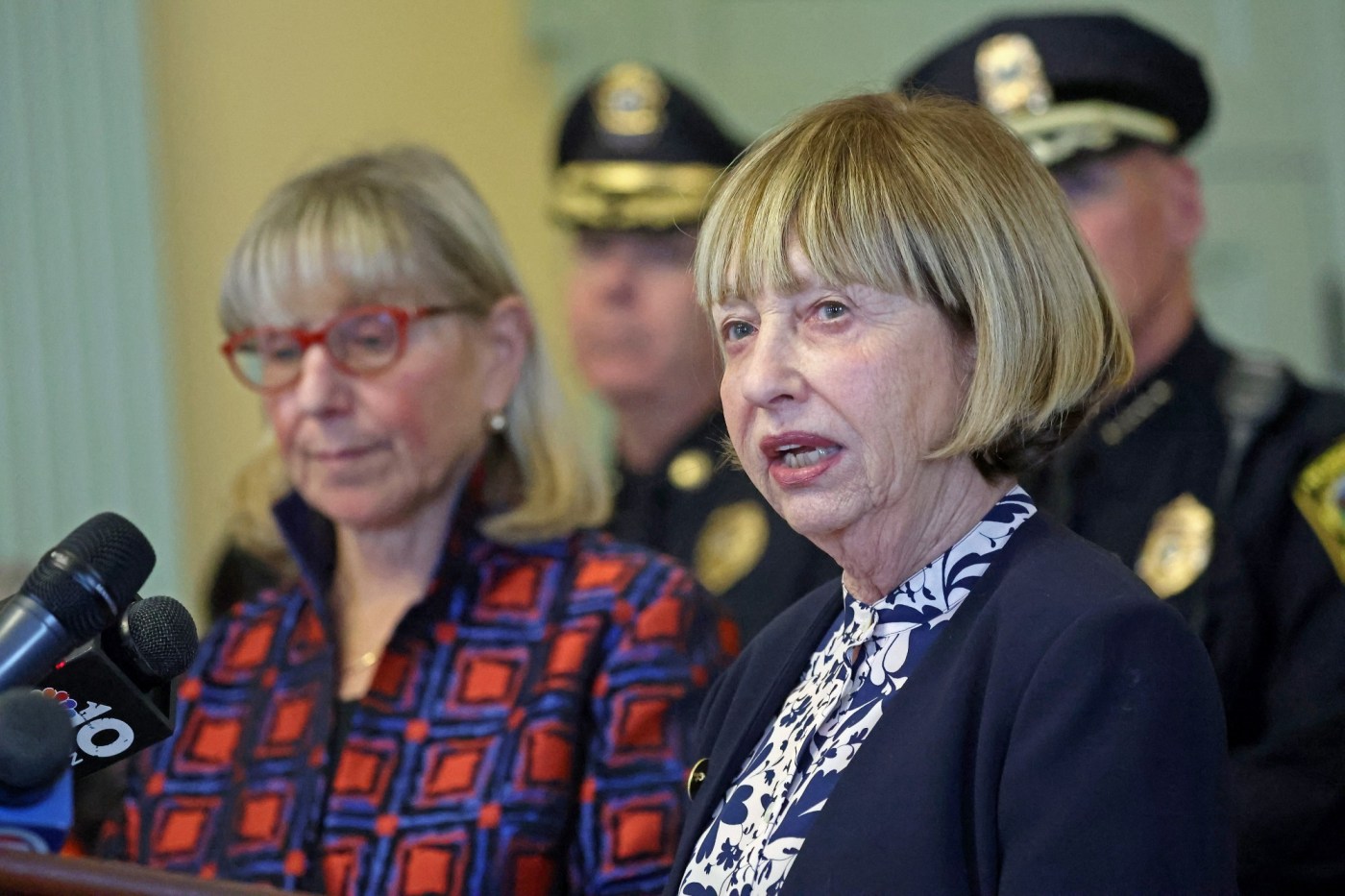
UPDATE: Massachusetts State Senator Cynthia Stone Creem faces significant backlash as her controversial bill to limit personal vehicle miles aims to meet stringent state climate goals. Critics argue that the legislation, formally titled “An Act Aligning the Commonwealth’s Transportation Plan with its Mandates and Goals for Reducing Emissions and Vehicle Miles Traveled,” could infringe on residents’ driving freedoms.
Introduced amid growing environmental concerns, the bill mandates MassDOT to set goals that would effectively reduce the total distance traveled by vehicles across the state. Proponents argue that this legislation is essential for addressing the largest source of emissions in Massachusetts, while opponents fear it could impose government overreach into daily lives.
In a statement to the Boston Herald, Stone Creem defended her initiative, stating, “The purpose of the Freedom to Move Act is to ensure that we are investing in all transportation options—both roads and cleaner alternatives like trains and buses.” However, the bill’s critics suggest it contradicts its own title by potentially limiting personal mobility.
The legislation’s summary reveals that MassDOT would not only set reduction goals for vehicle miles but also could deny regional transportation plans that don’t align with these objectives. Kevin Shannon, an analyst for the Union of Concerned Scientists, testified in May that the bill fills a critical gap between current climate objectives and the state’s transportation planning.
As Massachusetts grapples with its climate targets, the bill has sparked debate over its implications. State Sen. Michael Barrett, a co-chair of the committee overseeing the bill, expressed concerns about its equity, particularly for rural residents who may depend more on personal vehicles due to longer commutes.
The timing of this bill coincides with significant shifts in commuting patterns caused by the COVID-19 pandemic. Data from TD Economics indicates a 15.1% commercial vacancy rate in Boston as of the third quarter of 2025, highlighting the drastic changes in work habits. A survey by the Greater Boston Chamber of Commerce found that 85% of local businesses have adopted hybrid work models, reducing the necessity for daily commuting.
As the state weighs the pros and cons of this legislation, the implications for everyday drivers, particularly in urban versus rural areas, are under scrutiny. With the pandemic already reshaping transportation dynamics, the bill’s efficacy in achieving its intended environmental goals is now a matter of urgent public discussion.
Moving forward, stakeholders will need to consider the balance between environmental responsibility and the practical needs of residents as they navigate the complexities of this evolving legislation. The public is urged to stay informed as developments unfold regarding this critical issue impacting the future of transportation in Massachusetts.