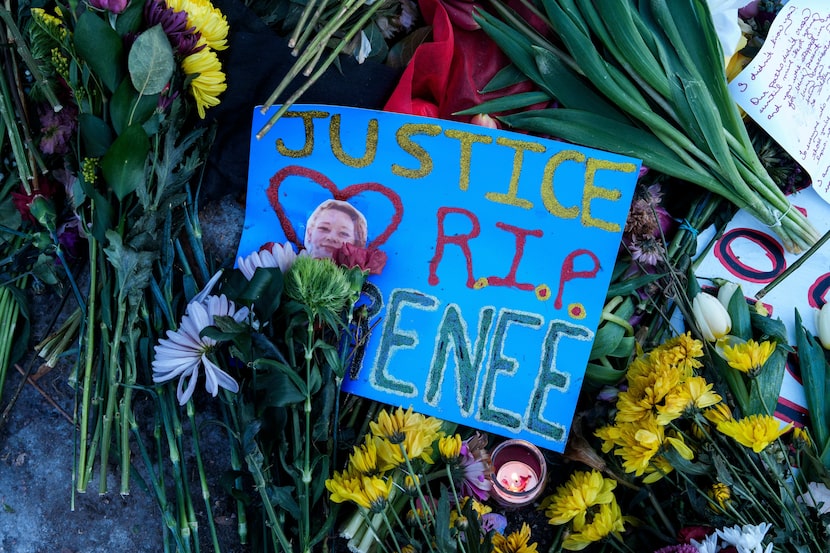
The fatal shooting of Renee Good, a 37-year-old mother of three, by an ICE officer in Minneapolis has ignited a fierce debate over the justification of the incident and the broader implications of the agency’s tactics. Good’s death has prompted widespread public outcry and has raised critical questions about the actions of law enforcement agencies in handling immigration enforcement.
Witness accounts and conflicting narratives have emerged in the aftermath of the shooting. According to U.S. Homeland Security Secretary Kristi Noem, Good allegedly “weaponized her vehicle” and tried to run over an officer. In contrast, video evidence shows the officer who fired three shots at Good’s car walking around after the incident, leading to skepticism regarding official statements. President Donald Trump characterized the encounter as one where Good “violently, willfully, and viciously ran over the ICE officer,” further polarizing public opinion.
The circumstances surrounding the shooting have left many questioning the actions of ICE agents. Eyewitness reports indicate that Good was following orders at the time of the shooting. Critics argue that ICE agents have a history of engaging in dangerous tactics, including stepping in front of vehicles to justify the use of lethal force. This behavior has reportedly been documented since at least 2014, raising concerns about systemic issues within the agency.
Public Reactions and Political Fallout
The public’s response to the shooting has been a mixture of outrage and support for law enforcement. Some letters to the editor published in The Dallas Morning News reflect the divisive opinions on the incident. Supporters of the ICE agent argue that Good’s actions posed a direct threat, while others contend that the response was excessive and indicative of broader issues within the agency.
One letter emphasized that the officer’s actions were justified, stating that Good had been “harassing and impeding ICE activities.” This perspective highlights an ongoing narrative that positions ICE as a necessary force in maintaining law and order in immigration enforcement, even amid rising tensions and backlash against the agency.
Conversely, there are voices calling for accountability. Critics assert that every politician who has failed to advocate for the abolition of ICE shares complicity in the agency’s actions. The sentiment reflects a growing frustration among activists and citizens who believe that ICE’s methods are increasingly aggressive and militarized.
The Debate Over Law Enforcement Practices
The shooting has brought to the forefront a larger conversation about the role of law enforcement in communities and how agencies like ICE operate. Many wonder whether the current methods employed by ICE are sustainable or ethical, particularly in light of incidents that result in loss of life.
Some letters expressed confusion over the motivations of protesters who oppose ICE’s tactics, questioning their financial support and commitment to social causes. Others criticized the media’s portrayal of the events, claiming that biased reporting contributes to a misunderstanding of the situation and the actions of law enforcement.
As the investigation into Good’s death continues, the dialogue surrounding immigration enforcement and law enforcement practices is likely to remain heated. The incident serves as a stark reminder of the challenges and complexities involved in balancing public safety with civil rights, as communities grapple with the realities of immigration policy enforcement.
In this charged atmosphere, it remains crucial for elected officials to engage with constituents and address the issues raised by the shooting. The responses from public figures will likely shape the ongoing discourse and influence future policy decisions related to immigration enforcement and the role of agencies like ICE.