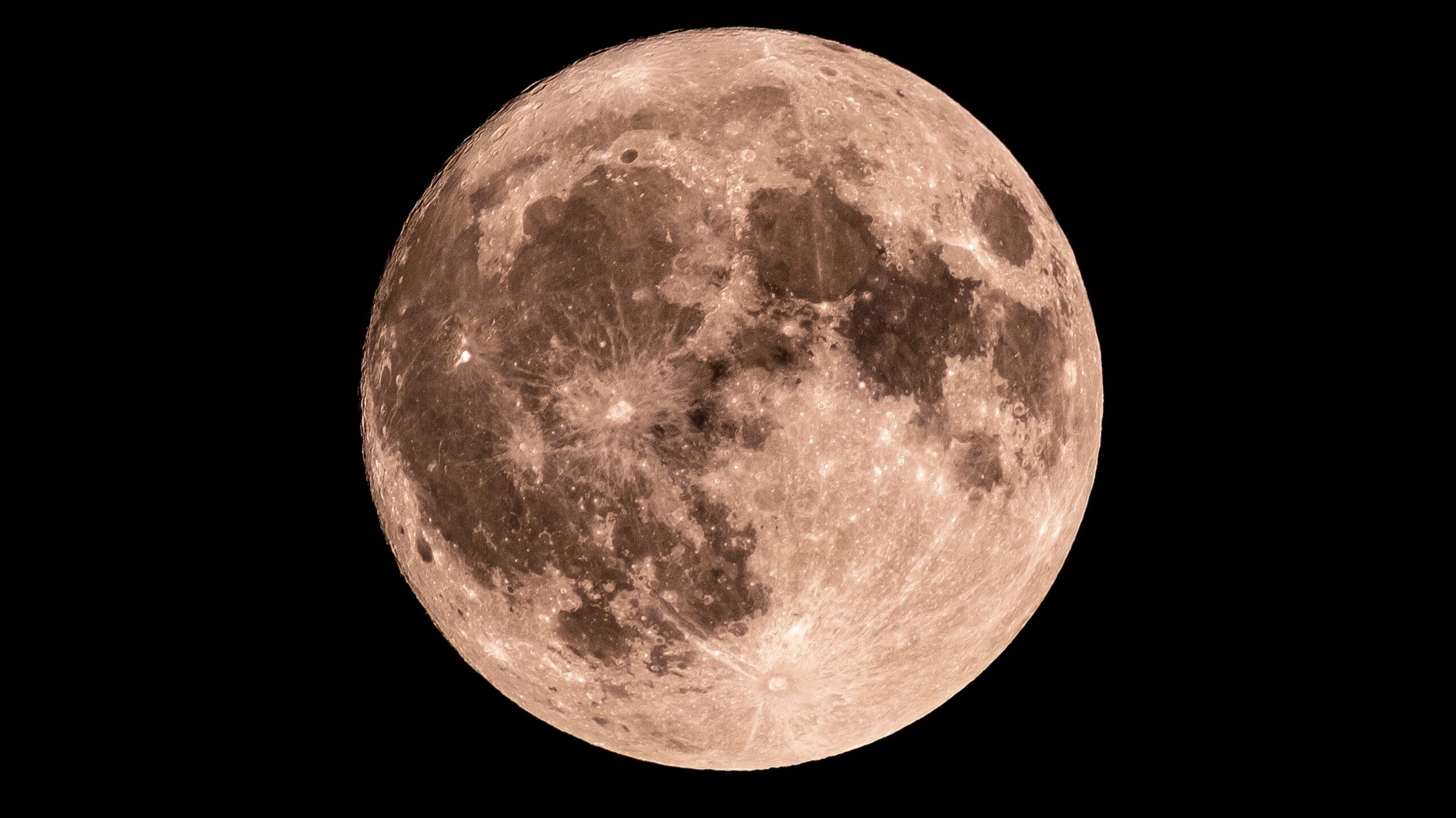
The lunar calendar marks a significant event today, January 18, 2024, as the Moon enters its New Moon phase. During this phase, the Moon is positioned directly between the Earth and the Sun, rendering it completely invisible from our perspective. As the final day of the current lunar cycle, it signifies the beginning of a new cycle, during which the Moon will gradually become more illuminated each night until it reaches the Full Moon.
According to NASA’s Daily Moon Guide, there will be 0% visibility of the Moon tonight, meaning there is no chance of spotting it in the night sky. However, as the days progress, observers can expect the Moon to grow brighter, reflecting increasing sunlight as it transitions through its phases. The next Full Moon is scheduled for February 1, 2024, following the last Full Moon, which occurred on January 3.
Understanding the Lunar Cycle
The lunar cycle, as outlined by NASA, lasts approximately 29.5 days—the time it takes for the Moon to complete a full orbit around Earth. Throughout this cycle, the Moon undergoes eight distinct phases, each characterized by varying amounts of sunlight reflecting off its surface.
While the same side of the Moon always faces Earth, the visibility of its illuminated portion changes based on its orbital position. The phases are as follows:
– **New Moon**: The Moon is between the Earth and the Sun, making it invisible from our viewpoint.
– **Waxing Crescent**: A small sliver of light emerges on the right side.
– **First Quarter**: Half of the Moon is illuminated on the right, resembling a half-Moon.
– **Waxing Gibbous**: More than half of the Moon is lit, approaching fullness.
– **Full Moon**: The entire face of the Moon is illuminated and clearly visible.
– **Waning Gibbous**: The Moon starts to lose light, with illumination decreasing on the right side.
– **Third Quarter (Last Quarter)**: Another half-Moon, but this time the left side is illuminated.
– **Waning Crescent**: A thin sliver of light remains on the left side before the cycle returns to the New Moon phase.
As the lunar cycle progresses, enthusiasts and casual observers alike can look forward to witnessing the gradual transformation of the Moon from darkness to fullness. Each phase offers unique opportunities for stargazing and reflection, reminding us of the celestial dance between Earth and its natural satellite.