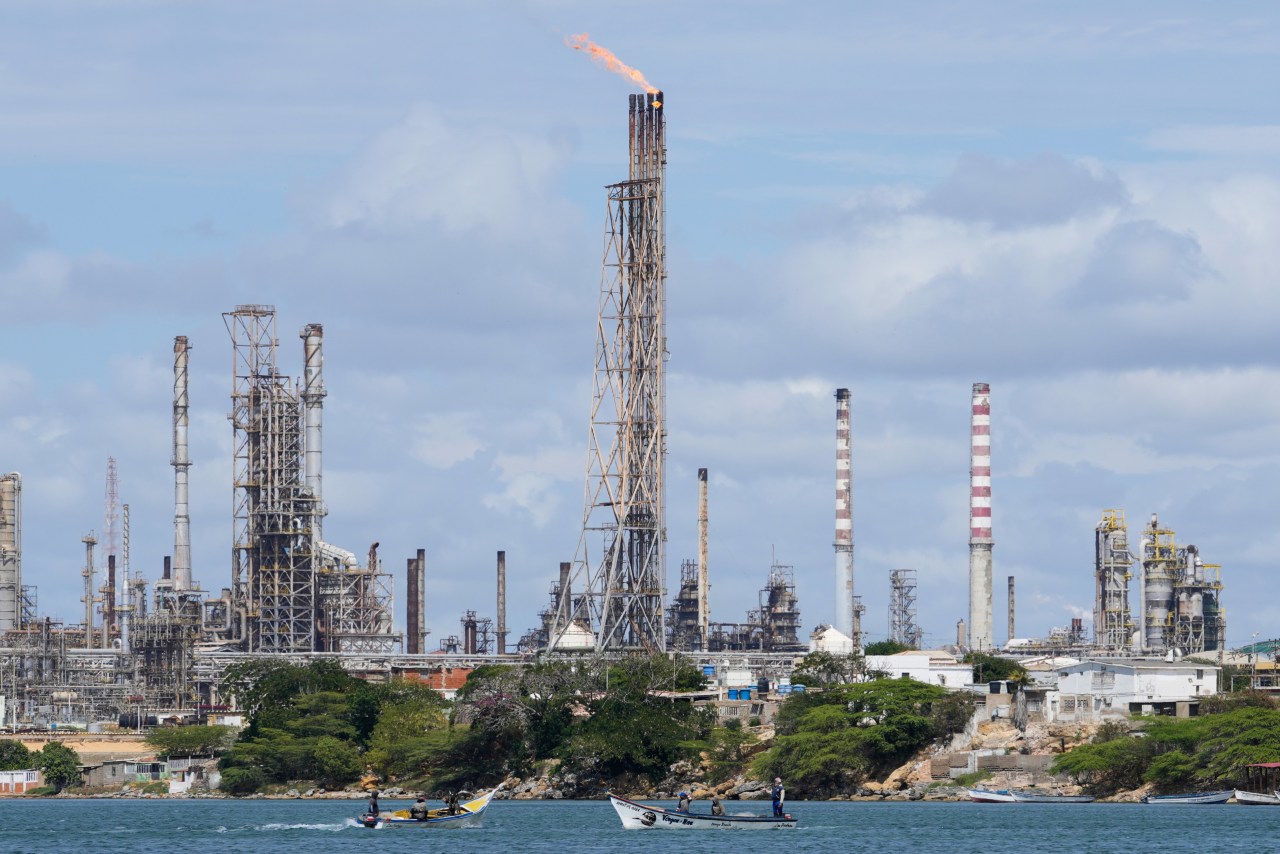
Oil traders are making a significant return to Venezuela as opportunities arise following the ousting of President Nicolás Maduro. Companies like Vitol and Trafigura, alongside Greek tanker owners, are re-engaging with the Venezuelan oil sector, which has been heavily impacted by years of U.S. sanctions and a struggling economy.
The revival of interest comes at a time when the Venezuelan oil industry is gradually recovering. With the potential for increased production and favorable market conditions, traders are positioning themselves to capitalize on the country’s vast oil reserves. According to industry analysts, Venezuela holds one of the largest oil reserves in the world, estimated at around 300 billion barrels, making it an attractive target for international traders.
Strategic Moves in the Oil Market
Both Vitol and Trafigura have a history of operating in Venezuela, but their activities have been curtailed due to external pressures and internal turmoil. Recent developments suggest that these companies are now exploring ways to navigate the complexities of the Venezuelan market. Reports indicate that they are collaborating with local entities to facilitate oil shipments, which had dwindled significantly in previous years.
As of early 2024, the oil market is experiencing fluctuations that could benefit traders willing to engage with Venezuela. The European Union has also shown signs of easing restrictions on Venezuelan oil, creating a more conducive environment for trade. This shift is expected to enhance the flow of crude oil from Venezuela to international markets, particularly to the Caribbean and other regions.
The return of Greek tanker owners to the Venezuelan waters further underscores the renewed interest in the country’s oil trade. With the flexibility to operate under less scrutiny, these tanker operators are poised to transport Venezuelan oil to various destinations worldwide. The synergy between oil traders and shipping companies is crucial for revitalizing Venezuela’s oil exports, which have suffered significantly over the last decade.
Challenges Ahead
Despite the optimistic outlook, challenges remain for traders looking to establish a foothold in Venezuela. The lingering effects of U.S. sanctions pose a significant risk, as companies must navigate a complex legal landscape. Furthermore, the political climate in Venezuela remains volatile, raising concerns about the long-term viability of investments in the region.
Venezuelan oil exports have fluctuated dramatically, with production plummeting from over 3 million barrels per day in 2015 to less than 1 million barrels per day in recent years. Industry experts highlight that any resurgence in production will require substantial investment and a stable operational framework.
As the global oil market adjusts to changing dynamics, the engagement of traders like Vitol and Trafigura in Venezuela could signal a new chapter for the country’s oil industry. With vast resources at stake, all eyes will be on the developments that unfold in the coming months, as both opportunities and challenges will shape the future of Venezuela’s oil trade.