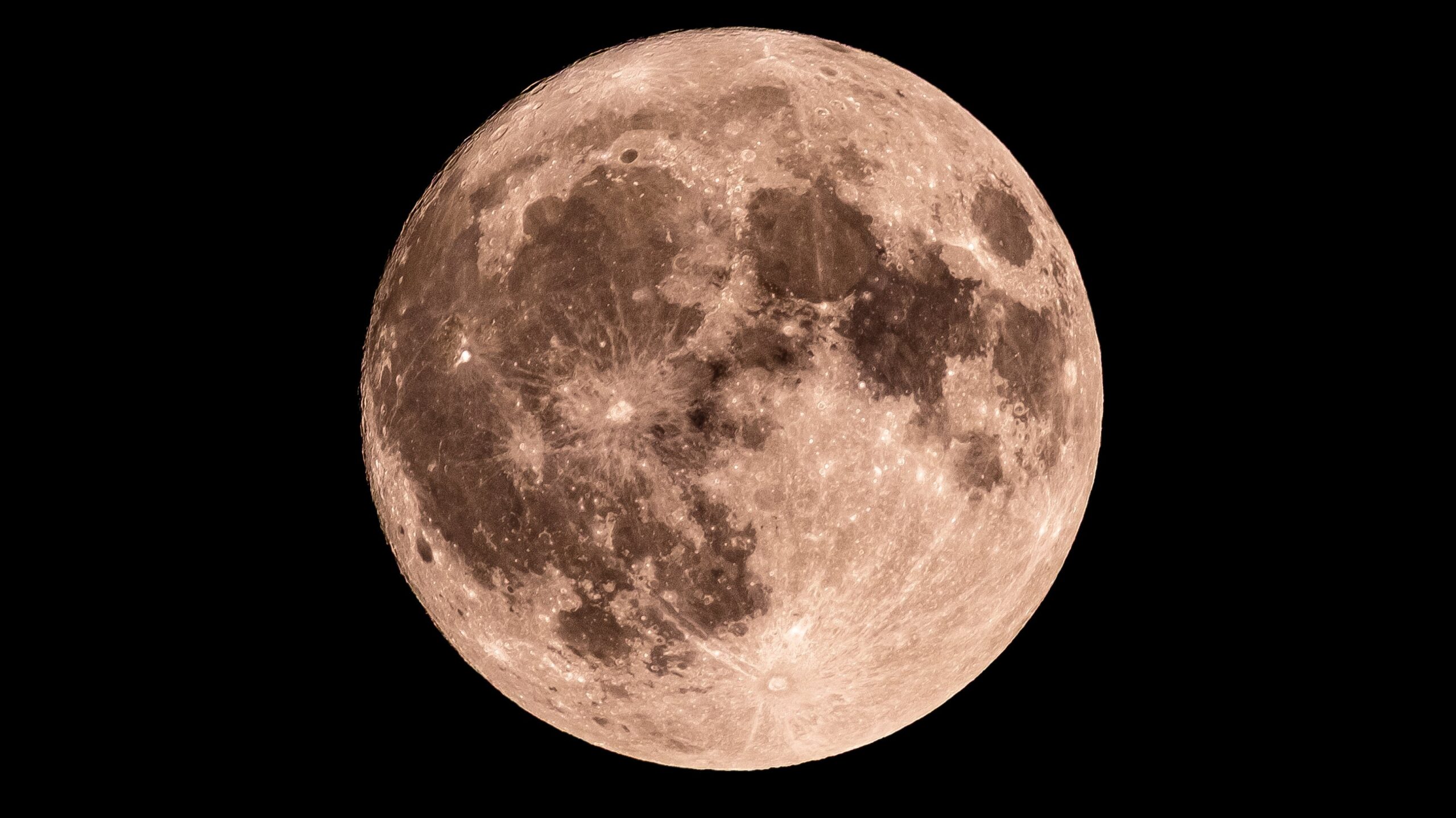
The Moon phase on January 17, 2024, is a Waning Crescent, with only 2% of its surface illuminated. As we approach the New Moon, which occurs when the Moon is entirely dark from Earth’s perspective, visibility of the lunar body is minimal. Despite the expectation of a completely dark sky, a small sliver of light remains visible tonight.
Understanding Moon Phases
The concept of Moon phases stems from the lunar cycle, which lasts approximately 29.5 days, according to NASA’s Daily Moon Guide. This cycle reflects the Moon’s orbit around Earth, leading to eight distinct phases that change the appearance of the Moon in the night sky. While the same side of the Moon always faces Earth, the illumination varies based on its position in orbit.
The eight phases of the lunar cycle include:
- New Moon: The Moon is positioned between Earth and the Sun, rendering it invisible.
- Waxing Crescent: A small crescent of light appears on the right side.
- First Quarter: Half of the Moon is illuminated on the right side, resembling a half-Moon.
- Waxing Gibbous: More than half of the Moon is lit but it is not yet full.
- Full Moon: The entire face of the Moon is visible and illuminated.
- Waning Gibbous: The Moon begins to lose light on the right side.
- Third Quarter: Another half-Moon appears, but this time the left side is lit.
- Waning Crescent: A thin sliver of light remains on the left side before the Moon returns to darkness.
Upcoming Lunar Events
Following the Waning Crescent, the next significant lunar event will be the Full Moon on February 1, 2024. The last Full Moon occurred on January 3. Understanding these phases can enhance stargazing experiences and deepen appreciation for celestial movements.
As the Moon continues its journey through the phases, observers can look forward to the changing night sky, each phase offering a unique perspective of this natural satellite. Whether it’s the vibrant Full Moon or the subtle beauty of a Waning Crescent, the Moon remains a captivating subject for stargazers worldwide.