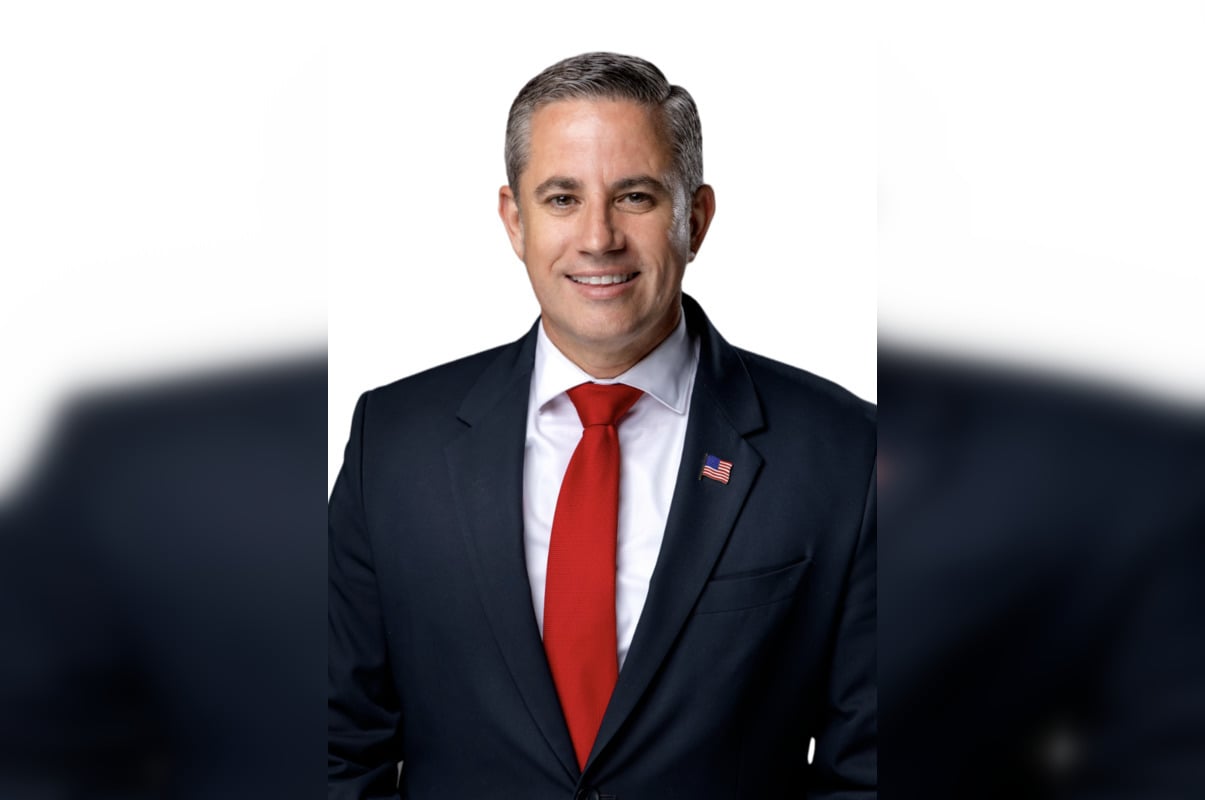
The U.S. District Court for the District of Minnesota has ruled in favor of Minnesota Attorney General Keith Ellison, granting a preliminary injunction that protects the Supplemental Nutrition Assistance Program (SNAP) benefits for almost 450,000 residents of the state. The court’s decision blocks a demand from the U.S. Department of Agriculture (USDA) that required the state to conduct in-person interviews for approximately 100,000 households receiving SNAP benefits within a tight 30-day timeframe.
This legal action stems from a lawsuit filed by Ellison on December 23, which challenged the USDA’s request as unrealistic and unlawful. The USDA had threatened to cut off Minnesota’s SNAP administrative funding and disqualify the state from the program altogether unless it complied with these demands, which Ellison asserted were not permissible under federal law.
Legal Maneuvers and Court Decisions
During a hearing on Wednesday, USDA officials handed over a letter to the Minnesota Attorney General’s Office indicating that they had already begun to cut off administrative funds allocated for SNAP. The court’s preliminary injunction has now halted that action as well.
Ellison expressed his relief and determination following the court’s favorable ruling. “We have won yet another battle in the Trump Administration’s war on Minnesota,” he stated. “Before any of us in the state are Republicans or Democrats, we are Minnesotans, and it should shock and disgust us that this president is trying to take food off the table of half a million of our neighbors. I’m pleased to have stopped this from happening, and I will continue to do everything in my power to stand up to the Trump Administration when they try to harm the people of Minnesota.”
The Impact on Minnesotans
In Minnesota, approximately 440,000 individuals utilize SNAP benefits each month. This includes about 180,000 children, 70,000 seniors, and 50,000 adults with disabilities. The court’s decision is crucial for these vulnerable populations, who rely on the program to access essential food resources.
The ruling not only reinforces the importance of legal protections for state programs but also highlights ongoing tensions between state officials and federal authorities regarding welfare regulations. As the situation unfolds, the implications for SNAP beneficiaries in Minnesota remain a focal point of public concern and legal scrutiny.