The US State Department has announced a significant suspension of immigrant visa processing for 75 countries, citing concerns that nationals from these nations are likely to require public assistance upon arrival in the United States. The decision, revealed on Wednesday, is set to take effect on January 21, 2024, as part of a broader initiative to reassess immigration policies regarding welfare dependency among migrants.
In a post on X, the State Department expressed its commitment to halting the processing of immigrant visas for individuals from countries whose migrants are perceived to “take welfare from the American people at unacceptable rates.” The department emphasized that the freeze would remain in place until it can be assured that new immigrants will not place additional financial burdens on American taxpayers.
The list of countries impacted includes Somalia, Haiti, Iran, and Eritrea. While the State Department did not publish the complete list of all 75 nations, a U.S. official confirmed that the suspension also covers Russia, Afghanistan, Brazil, and Egypt. This decision follows previous restrictions imposed by the Trump administration, which had already limited both immigrant and non-immigrant visa processing for numerous countries, particularly in Africa.
New Regulations on Visa Applications
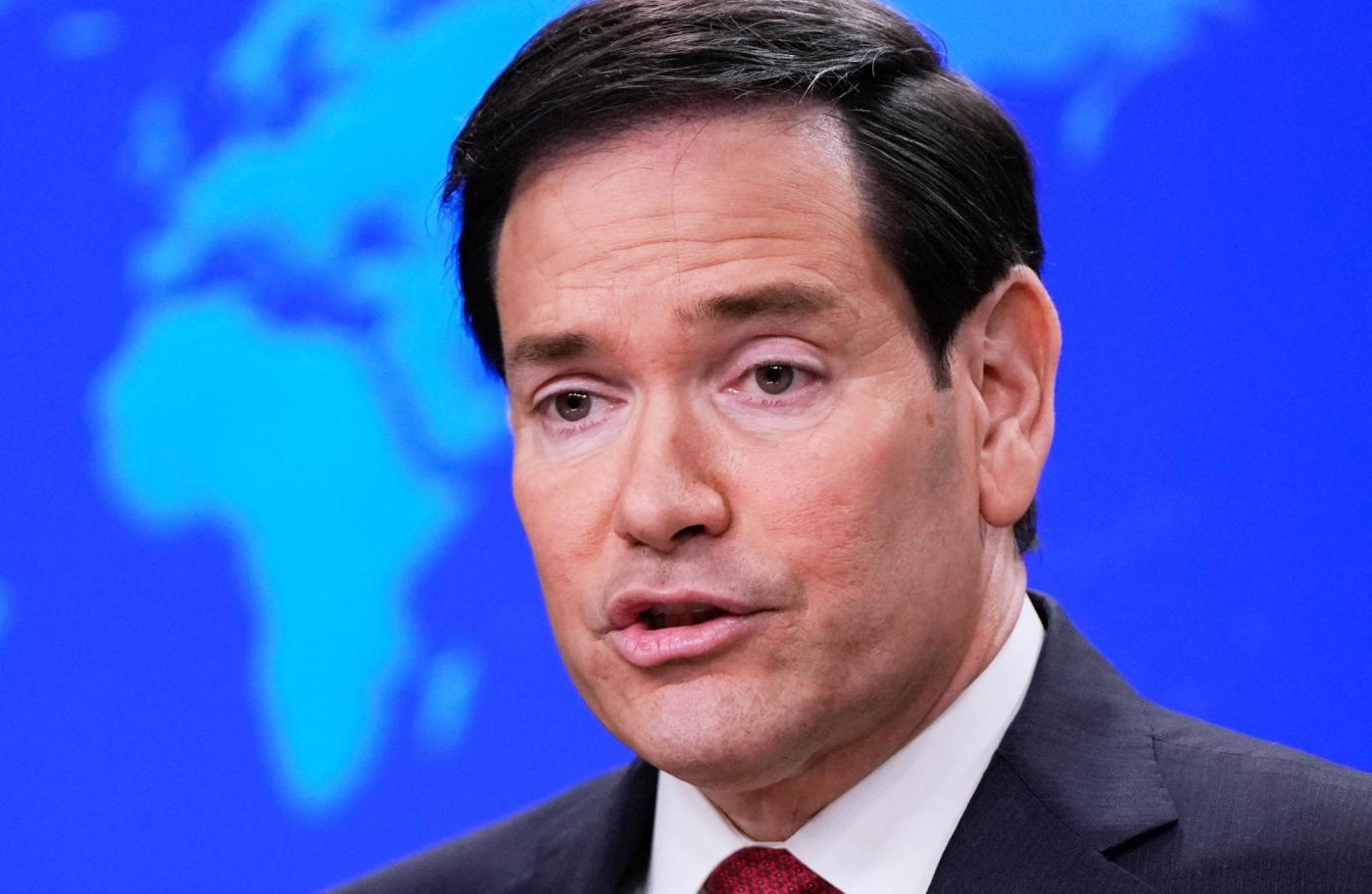
Secretary of State Marco Rubio directed the State Department to instruct consular officers to cease processing applications from individuals deemed likely to become public charges. This directive aligns with a November order that tightened the criteria for potential migrants. According to a State Department cable sent to diplomatic posts worldwide, consular officers are now tasked with denying visas based on a comprehensive evaluation of applicants.
Factors such as health, age, English proficiency, financial stability, and potential long-term medical care needs will play a crucial role in the assessment process. The State Department has made it clear that the intention behind these new regulations is to protect the interests of the American public and ensure that the generosity of the nation is not exploited.
The department’s decision has sparked discussions regarding the implications for migrants from the affected countries. Critics argue that this move may disproportionately impact vulnerable populations seeking a new life in the United States. Supporters, however, maintain that it is a necessary step to safeguard public resources.
As the implementation date approaches, the State Department’s actions will likely shape the discourse on immigration and welfare in the U.S. The ongoing developments will be closely monitored by advocacy groups, policymakers, and potential migrants alike.
The State Department has reiterated its commitment to prioritizing American interests while navigating the complexities surrounding immigration and public assistance. As the landscape of U.S. immigration policy continues to evolve, the consequences of this suspension remain to be seen.