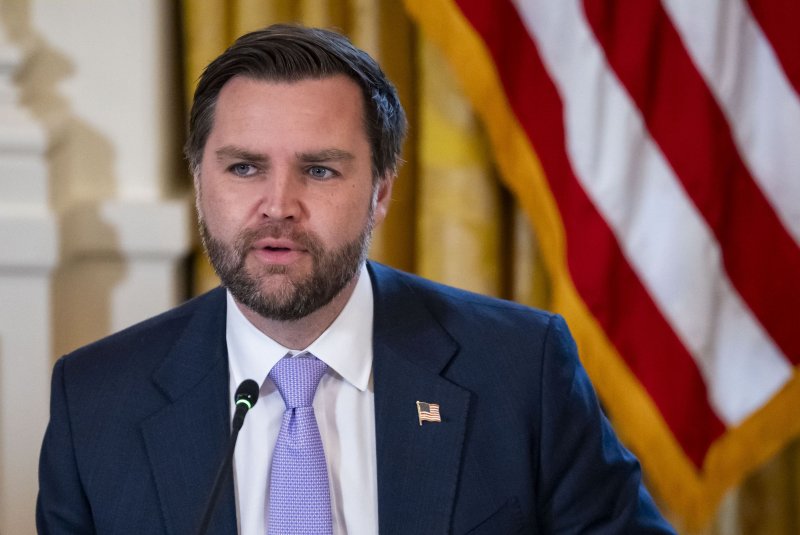
U.S. Vice President JD Vance is scheduled to meet with the foreign ministers of Greenland and Denmark at the White House on January 17, 2024. The discussions will focus on the future of Greenland and its strategic significance as tensions rise in the Arctic region. This meeting highlights the urgent need for NATO member states to address security concerns in Greenland, a territory that U.S. President Donald Trump has previously emphasized as critical to U.S. national security.
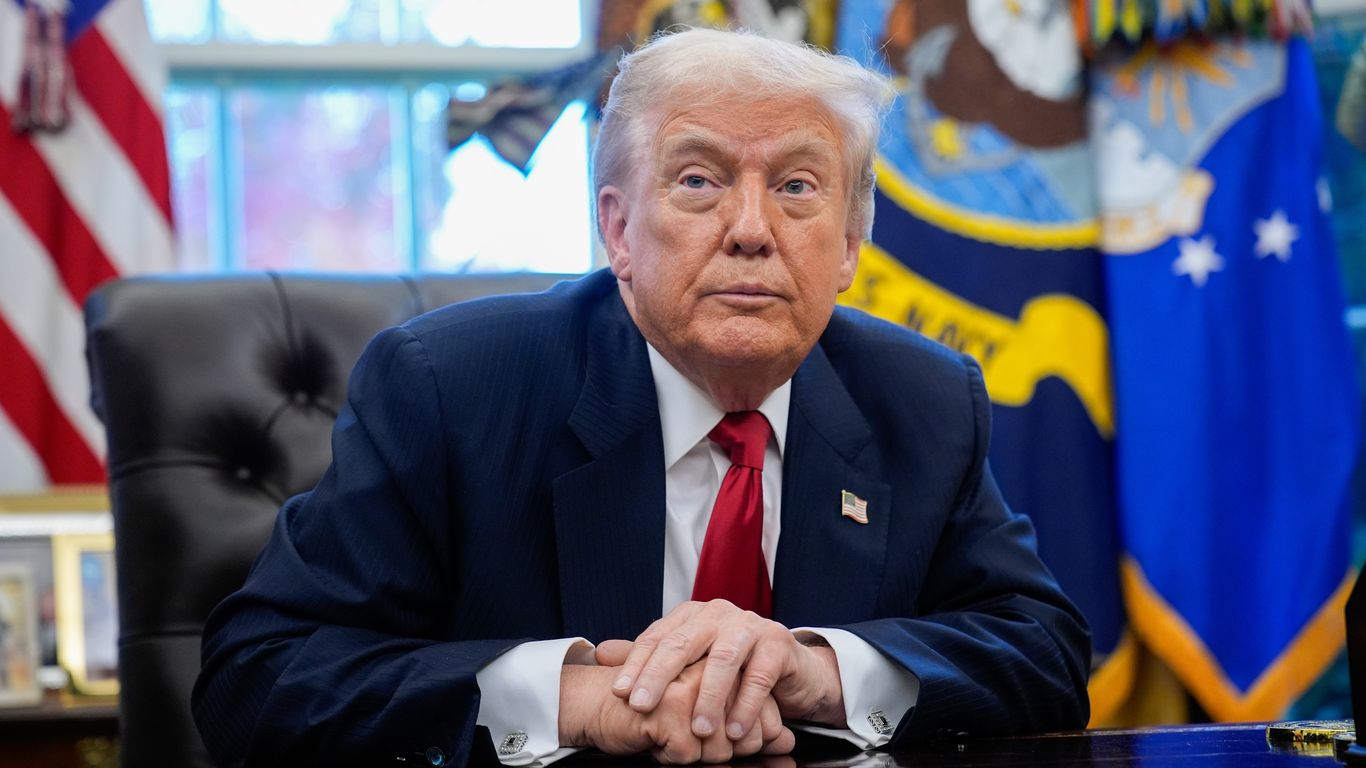
As the geopolitical landscape shifts, Greenland’s Prime Minister Jens-Frederik Nielsen expressed the territory’s commitment to remain part of Denmark. On January 16, he stated, “If we have to choose between the United States and Denmark here and now, we choose Denmark. We choose NATO, the Kingdom of Denmark and the European Union.” In response, Trump indicated that Nielsen’s position would pose significant challenges, saying, “I disagree with him. I don’t know who he is, but that’s going to be a big problem for him.”
Security Concerns Prompt NATO Discussions
The meetings coincide with a broader effort by NATO countries to enhance their military presence in and around Greenland amid increasing Russian and Chinese interests in the Arctic. Britain and Germany are leading initiatives to bolster security measures, while France plans to open a new consulate in Greenland on February 6, 2024. French Foreign Minister Jean-Noel Barrot emphasized that this move reflects a desire for greater engagement in the region, particularly in scientific collaboration.
Negotiations among European nations are considering various options, including the deployment of troops and military assets in Greenland. Discussions suggest a potential deployment of a European brigade, with proposals for at least 5,000 troops to enhance local security. The German Reservists Association has indicated that Germany would take a leading role in this initiative, citing its experience in Arctic operations.
U.S. Legislative Response to Greenland’s Status
Debate over Greenland’s geopolitical future is also heating up on Capitol Hill. A bipartisan group of senators is sponsoring legislation to prevent the U.S. military from using congressional funds for any actions that would occupy or annex NATO territories, including Greenland. In the House, Representative Bill Keating, a Democrat from Massachusetts, introduced a similar measure aimed at curtailing any military operations against NATO allies.
This legislative push comes in response to the Greenland Annexation and Statehood Act, a proposal put forth by Representative Randy Fine, a Republican from Florida, seeking to authorize Trump to acquire Greenland. Fine’s bill includes requirements for Congress to report on the legal changes needed to integrate Greenland as the United States’ 51st state.
The historical significance of Greenland in U.S. national security is not new. During World War II, U.S. forces occupied the island to prevent it from falling into Nazi hands. Trump’s renewed focus on Greenland since taking office in January 2025 underscores the evolving geopolitical dynamics, with Trump asserting that the U.S. must act decisively to prevent Russia or China from gaining influence there.
The outcome of these discussions and legislative measures will significantly impact the future of Greenland, its relationship with Denmark, and the overall security framework in the Arctic region. As NATO members grapple with these challenges, the stakes continue to rise, making this an issue of international importance.