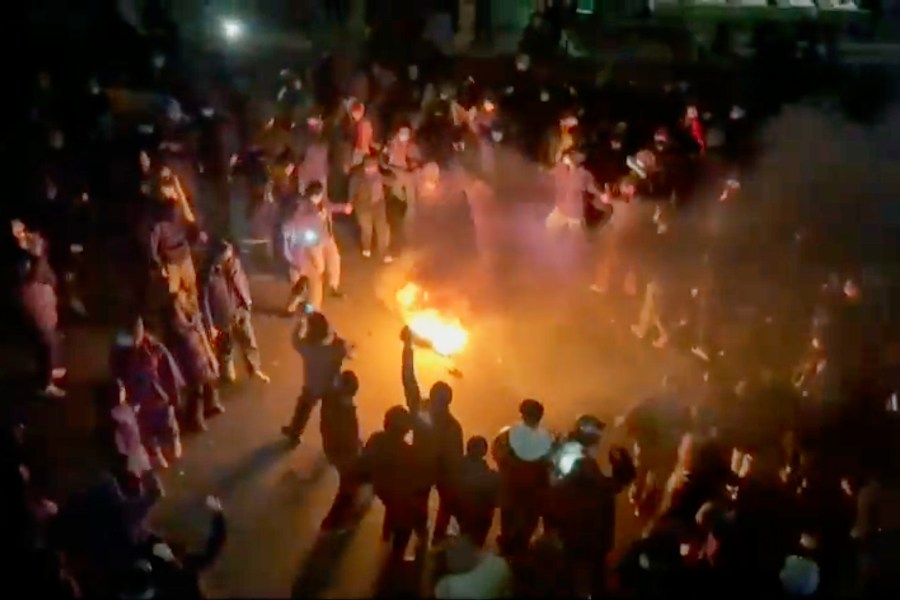
The head of Iran’s judiciary announced on December 7, 2022, that the country would conduct rapid trials and executions for individuals detained during recent nationwide protests. These comments from judiciary chief Gholamhossein Mohseni-Ejei come despite a warning from U.S. President Donald Trump urging Iran to reconsider its approach to handling dissent.
In a video shared on Iranian state television, Mohseni-Ejei emphasized the government’s intention to expedite legal proceedings against those involved in the protests, which erupted in response to various social and political grievances. He stated, “If the law is violated, those responsible will be dealt with swiftly.” This stark declaration reflects the Iranian authorities’ determination to quell dissent and restore order following weeks of unrest.
The protests began after the death of a young woman in police custody, igniting a wave of demonstrations across the country. The unrest has seen significant participation from various segments of Iranian society, demanding greater freedoms and rights. The judiciary’s swift measures indicate a hardline stance aimed at deterring further protests and maintaining control.
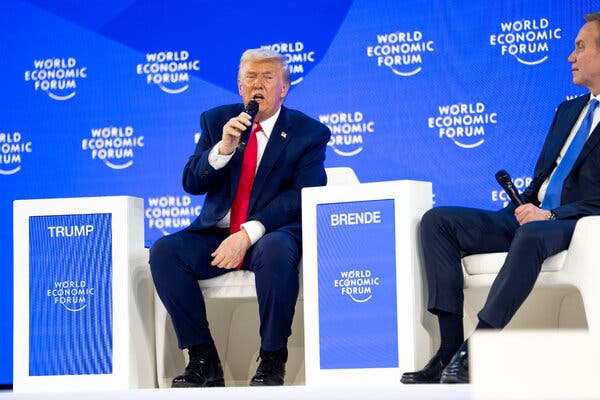
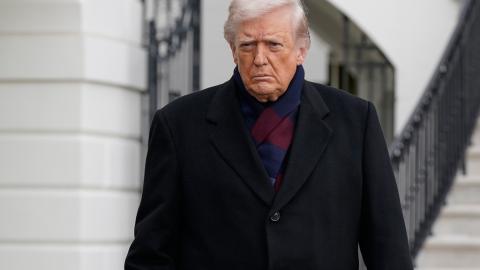
Trump’s warning highlighted the international community’s concern regarding Iran’s human rights record. He stated that the U.S. would be closely monitoring developments in Iran and urged the regime to respect the rights of its citizens. The U.S. response reflects ongoing tensions between Washington and Tehran, particularly in the context of Iran’s domestic policies and its perceived violations of human rights.
International human rights organizations have condemned Iran’s plans for rapid trials and potential executions. Critics argue that such actions undermine the fundamental principles of justice and due process. They point to the lack of transparency in the Iranian judicial system, raising alarms about the fairness of any trials conducted under these circumstances.
As the situation develops, the global community remains watchful of Iran’s next steps. The response from both the Iranian government and international actors will likely shape the future of civil liberties within the country and influence Iran’s relations on the world stage.
The ongoing protests and the government’s reaction reflect a broader struggle within Iran, balancing authoritarian governance with public demands for reform. With the judiciary’s firm stance, the path ahead appears fraught with potential conflict and unrest.