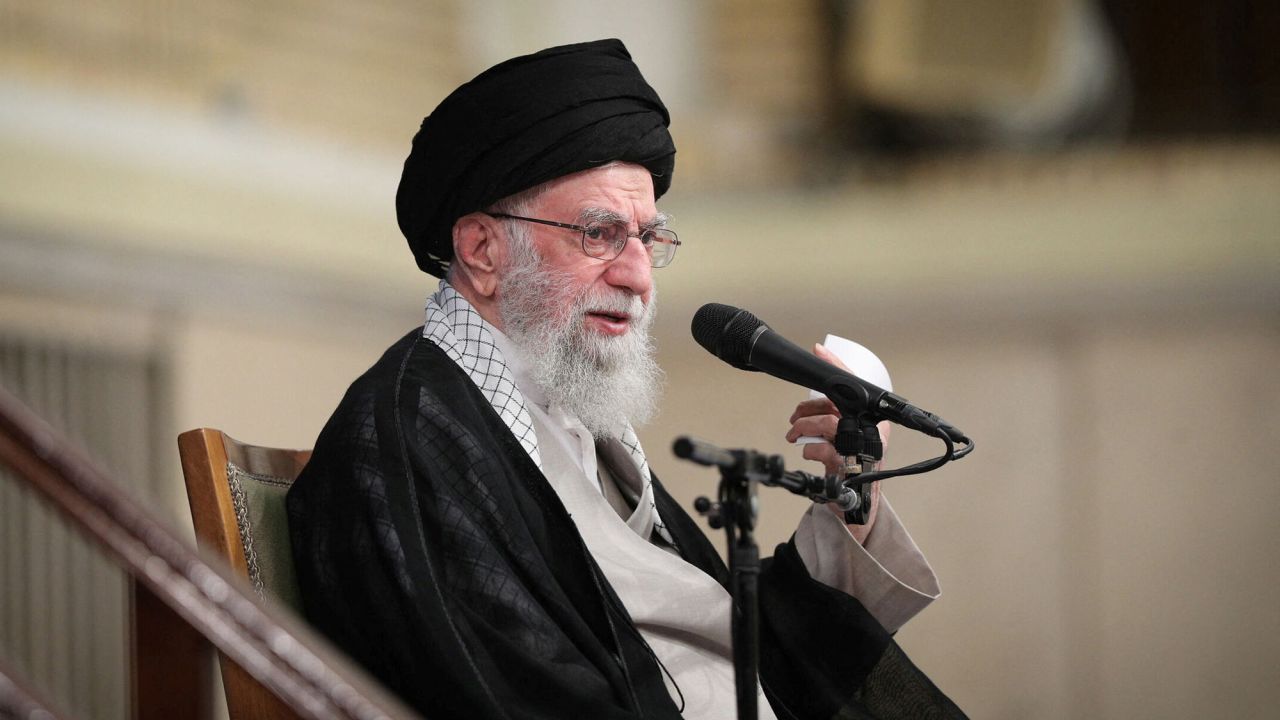
Ongoing protests in Iran present a significant challenge to the nation’s regime, according to **Karim Sadjadpour**, a senior fellow at the **Carnegie Endowment for International Peace**. In a recent discussion with renowned journalist **Christiane Amanpour**, Sadjadpour characterized the current situation as an “existential moment” for the Iranian government, driven by widespread public discontent.
The protests, which began in late 2022, have intensified over the past months, with demonstrators expressing frustration over issues such as government repression, economic hardship, and social injustice. Sadjadpour asserts that the scale and intensity of these protests indicate a profound shift in public sentiment, suggesting that many Iranians have lost faith in the regime’s ability to address their grievances.
Public Sentiment Shifts Against the Regime
Sadjadpour highlighted that the protests are not merely a response to specific events but are emblematic of a larger and more enduring struggle against authoritarian rule. He pointed out that the resilience of the protesters, despite facing a heavy-handed crackdown from security forces, reflects a deep-rooted desire for change among the populace.
“In many ways, these protests represent the culmination of years of frustration,” Sadjadpour stated. “The Iranian people are demanding basic rights and freedoms that have been systematically denied for decades.” This sentiment resonates with many, particularly among the younger generation, who are increasingly disillusioned with the regime’s promises and policies.
The protests have also garnered international attention, with various human rights organizations condemning the Iranian government’s actions against demonstrators. The **United Nations** has called for an independent investigation into the human rights violations that have occurred during the protests, further complicating the regime’s position on the global stage.
Regime’s Response and Future Implications
In response to the unrest, the Iranian authorities have intensified their crackdown, employing tactics such as internet blackouts, mass arrests, and violent suppression of demonstrations. Despite these measures, Sadjadpour believes that the regime’s actions may ultimately fuel further dissent. “Repression can delay change, but it rarely stops it,” he noted.
The ongoing unrest raises questions about the long-term stability of the regime. Sadjadpour emphasized that the current situation could lead to a tipping point where the regime might either adapt to the demands of the people or face increasing instability. “This is a critical juncture for Iran,” he said, “and the outcome will significantly impact not just the country but the entire region.”
As the protests continue to unfold, the world watches closely. The potential for change in Iran could reshape political dynamics in the Middle East, influencing neighboring countries and international relations. The situation underscores a broader narrative of resistance against authoritarianism, echoing sentiments seen throughout the world.
In conclusion, the protests in Iran represent more than just a series of isolated events; they signify a growing assertiveness among citizens eager for change. As the regime grapples with this unrest, the future remains uncertain, but the voices of the Iranian people are becoming increasingly difficult to silence.