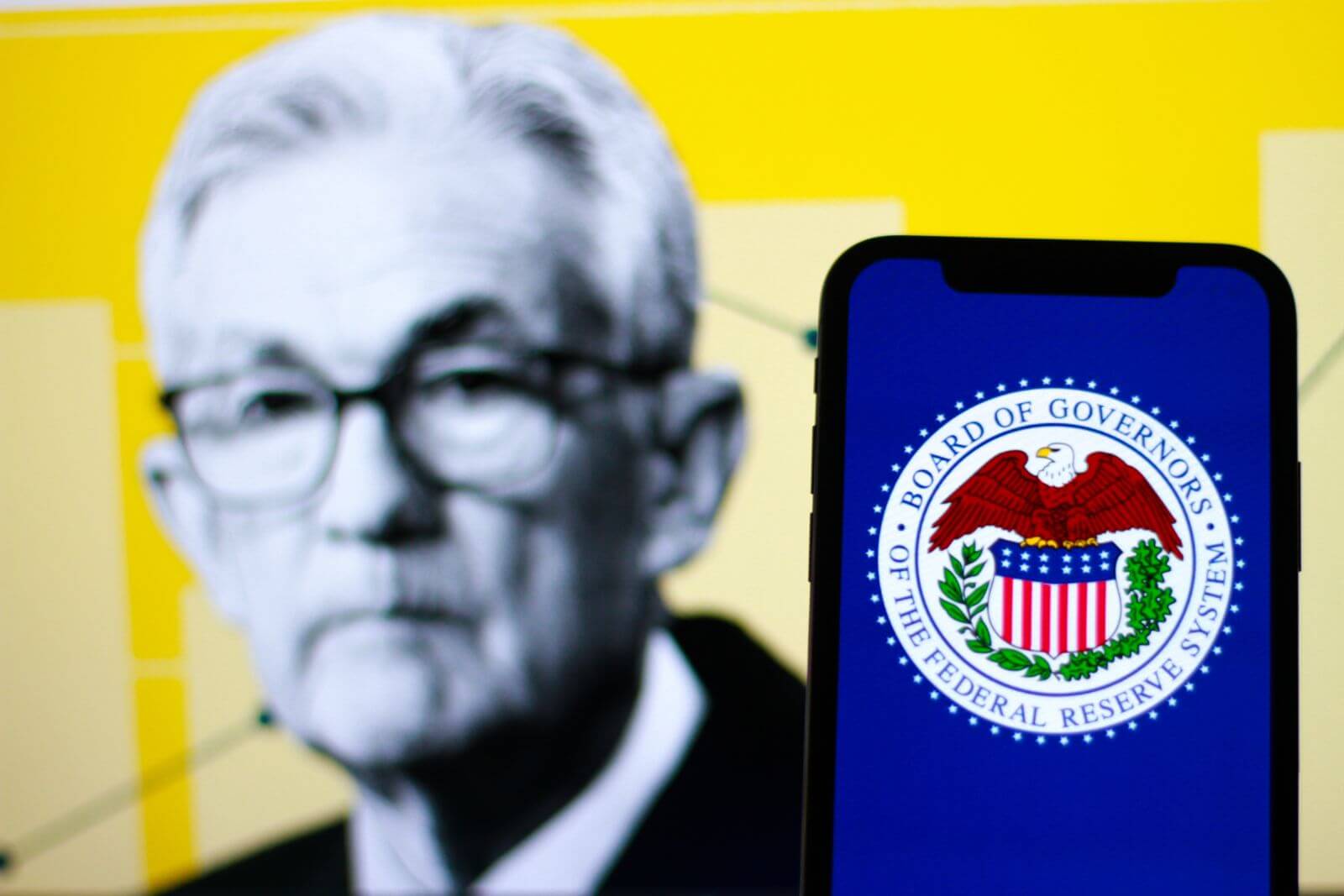
The financial landscape shifted dramatically on Sunday as Federal Reserve Chair Jerome Powell addressed a criminal investigation launched by the Department of Justice into his handling of renovations at the Federal Reserve headquarters. This development challenges the independence of the central bank at a crucial moment in Powell’s tenure and highlights growing political pressures surrounding monetary policy.
In a rare video statement, Powell characterized the investigation as a politically motivated attempt to influence monetary policy decisions, specifically aimed at coercing him into implementing aggressive interest rate cuts favored by former President Donald Trump. He framed the inquiry as a departure from traditional oversight, arguing it represents retaliation against the Fed’s independent monetary policy that is based on economic data rather than political preferences.
The announcement of the investigation sent ripples through global financial markets. The U.S. Dollar Index ($DXY) opened lower, while gold futures surged to record highs, surpassing $4,600 per ounce. Meanwhile, the Cboe Volatility Index ($VIX) spiked more than 9% at market open, indicating heightened investor concern about institutional risk and uncertainty regarding Powell’s ability to maintain his authority amidst political scrutiny.
Market analysts suggest that the inquiry could establish a precedent for executive interference in monetary policy, raising concerns for future Federal Reserve leadership. Investors are particularly wary of potential candidates aligned with Trump, as the probe signals that divergence from presidential preferences may lead to legal consequences and institutional pressures.
Despite his chairmanship set to conclude in May 2026, Powell’s board membership extends until 2028, leaving him vulnerable to ongoing pressures even after stepping down as chair. His recent defiance may have paradoxically bolstered his standing among investors worried about central bank autonomy. Nonetheless, it has also clarified the Trump administration’s view that Fed independence is secondary to presidential economic interests.
Bipartisan opposition to the investigation is emerging, notably from Senator Thom Tillis (R-NC). “If there were any remaining doubt whether advisers within the Trump Administration are actively pushing to end the independence of the Federal Reserve, there should now be none,” Tillis stated. He emphasized that he would oppose any Fed nominee until the legal matter is resolved, further complicating the landscape for future appointments.
As financial markets grapple with these developments, a fundamental question remains: Will the Federal Reserve uphold its evidence-based policy framework, or will it capitulate to political pressures regarding interest rates? This uncertainty is particularly pressing for Wall Street as it seeks to navigate the implications of Powell’s predicament.
On Kalshi’s prediction markets platform, former economic advisor Kevin Hassett remains the narrow favorite for the next Federal Reserve Chair nomination. However, following this weekend’s events, the likelihood of Powell stepping down as Fed Governor after his chairmanship has decreased significantly, from 84% to approximately 51%.
The situation continues to evolve, with investors keenly watching for further developments that could impact the Federal Reserve’s policy direction and its independence in the face of increasing political pressures.