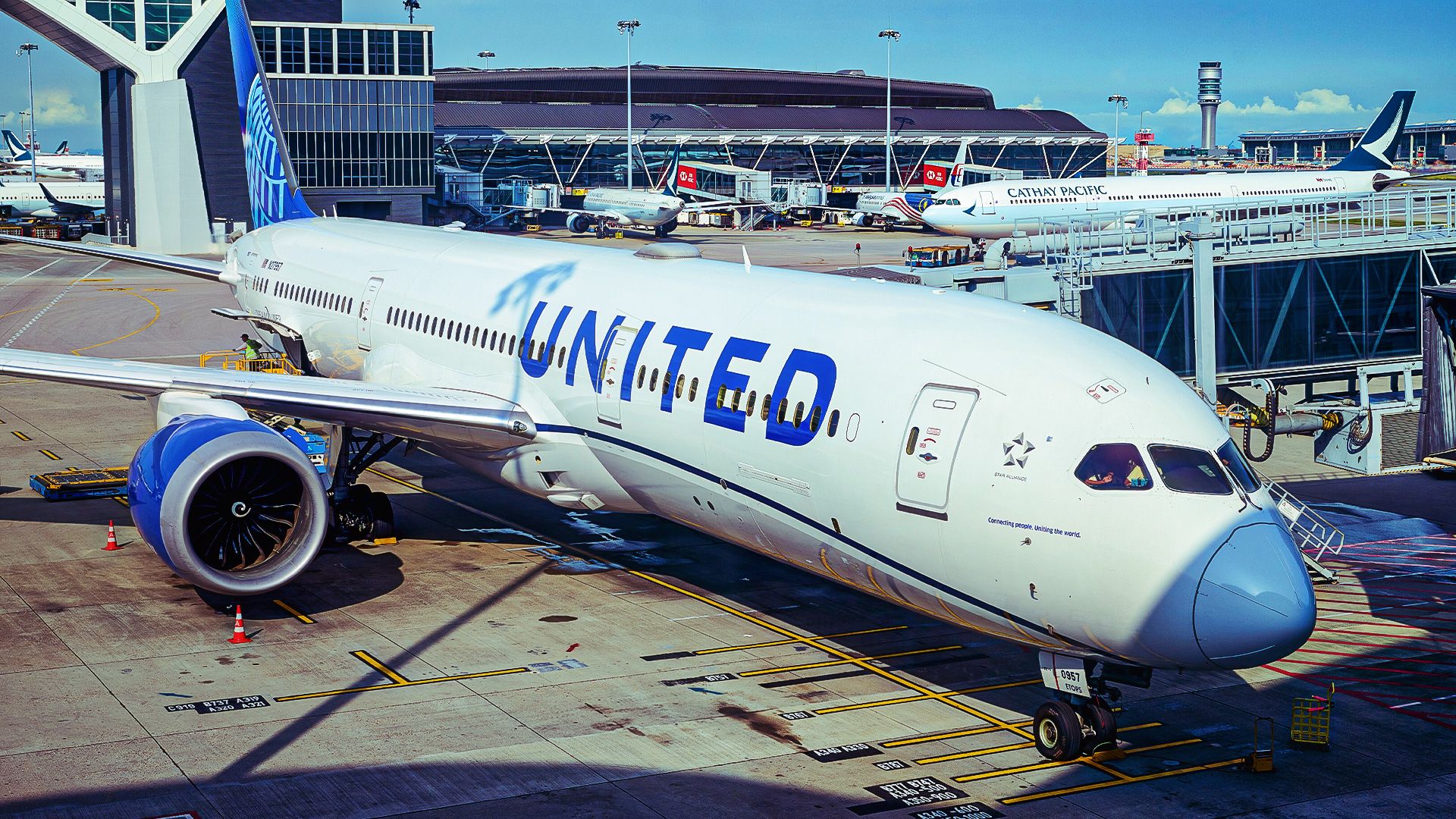
The aviation industry is at a pivotal point as airlines consider replacements for aging aircraft, specifically the Boeing 767. Currently, the two primary operators of the passenger Boeing 767 are Delta Air Lines and United Airlines, with Delta operating 58 aircraft and United flying 53. Both airlines use the 767-300ER and the 767-400ER variants. Given that these planes are now over 20 years old, the need for modern replacements has become increasingly urgent.
Evaluating the Contenders: Boeing 787 and Airbus A330neo
In the quest for replacements, two aircraft stand out: the Boeing 787 and the Airbus A330neo. Each offers advanced technology, improved fuel efficiency, and passenger comfort, making them attractive options for airlines looking to update their fleets.
The Boeing 787, known for its lightweight composite structure and advanced aerodynamics, promises significant operational savings. With a range of about 7,530 nautical miles, it can cover long-haul routes while maintaining fuel efficiency. The Dreamliner also features a quieter cabin and improved air quality, enhancing the passenger experience.
On the other hand, the Airbus A330neo serves as an evolution of the popular A330 family. This aircraft incorporates new engines and wing designs to boost efficiency, with a range of approximately 7,200 nautical miles. The A330neo also boasts an updated cabin layout, which allows for a comfortable journey for passengers.
Both aircraft have seen strong demand, with airlines around the world placing substantial orders. As of March 2023, Boeing had delivered over 1,200 787s, while Airbus had received more than 1,800 orders for the A330neo.
Implications for Airlines and the Industry
The transition from older models like the 767 to newer aircraft has significant implications for airlines. Fuel efficiency plays a crucial role in operational costs. According to the International Air Transport Association, fuel represents about 30% of an airline’s operating expenses. Modern aircraft like the 787 and A330neo can reduce fuel consumption by up to 20%, easing financial pressures and promoting sustainability.
As both Delta and United evaluate their fleet strategies, the decision to adopt newer models will depend on various factors, including cost, operational flexibility, and demand for specific routes. The ongoing evolution of the aviation market, influenced by passenger preferences and environmental regulations, will also shape these decisions.
In conclusion, the choice between the Boeing 787 and the Airbus A330neo as a suitable replacement for the aging Boeing 767 is not straightforward. Each aircraft offers distinct advantages that cater to different operational needs. As airlines navigate this transition, the future of air travel could very well hinge on these critical decisions.