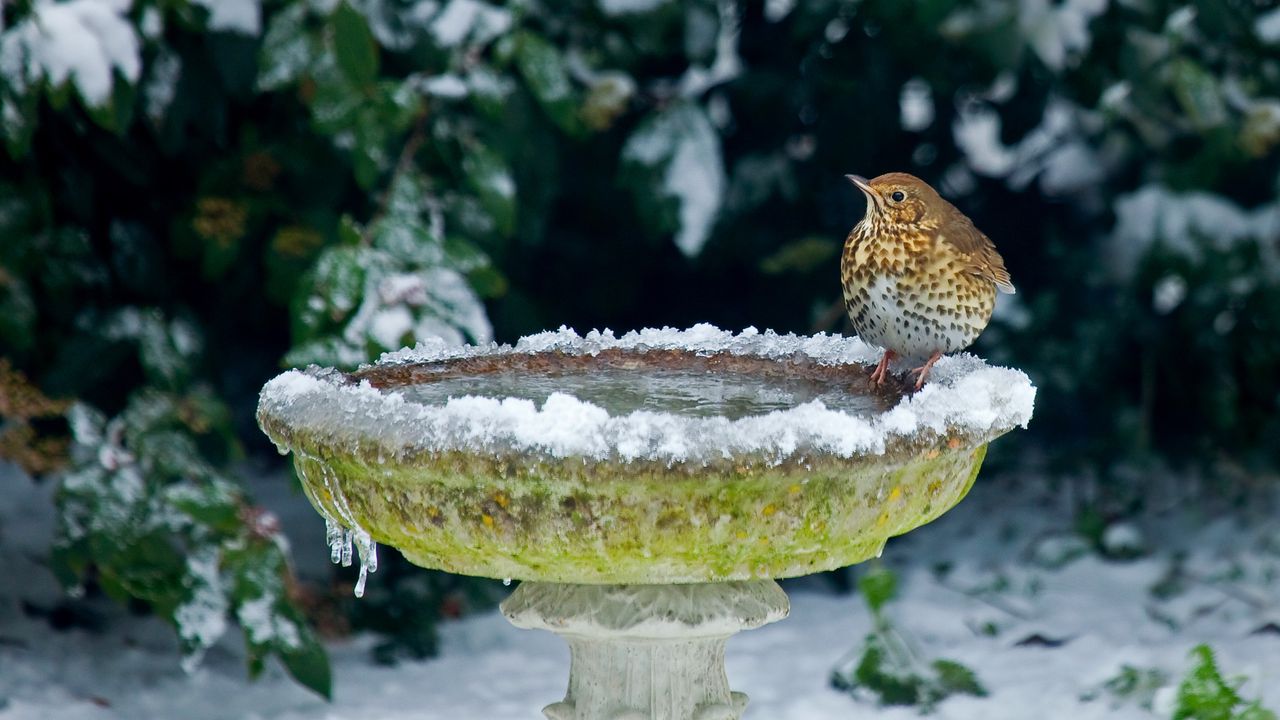
Bird baths serve as vital resources for local bird populations, providing them with essential hydration throughout the year. As winter approaches, maintaining these features becomes crucial, not only for the birds but also to preserve the integrity of the bird bath itself. With temperatures dropping, many may assume that fewer birds will be around, but a significant number remain in the area, making unfrozen water more valuable than ever.
To prevent the water in bird baths from freezing, which can lead to damage, a simple and cost-effective solution is available. By using a common household item—specifically, table tennis balls—you can disrupt ice formation without significant expense or effort.
Understanding Freezing Dynamics
When temperatures fall below freezing, water in bird baths does not freeze instantly. Instead, the surface temperature can drop more quickly due to exposure to wind and sunlight. As a result, ice typically forms first at the surface and gradually thickens over time. To combat this, introducing a floating object—like a ping pong ball—can help keep the water moving.
As the ball floats and shifts with even the slightest breeze, it breaks up small ice crystals, preventing them from merging into a solid sheet. This natural movement also makes the bird bath more appealing to birds, attracting them to the water source.
Additional Strategies for Winter Maintenance
For those living in particularly cold climates, additional measures can enhance the effectiveness of bird baths during winter months. Consider these strategies:
1. **Add a Dark Layer**: Incorporating black river rocks or painting the bottom of the basin black can absorb sunlight, raising the water temperature during the day.
2. **Relocate the Bath**: Positioning the bird bath in a sunny area that is shielded from strong winds can help maintain a warmer environment.
3. **Insulate the Basin**: Wrapping the bird bath with straw or burlap not only provides a rustic aesthetic but also offers insulation against the cold.
4. **Maintain Water Levels**: Keeping the water level high can slow down the freezing process. Regularly adding warm—not boiling—water can help regulate the temperature without shocking the materials.
5. **Use Frost-Resistant Materials**: If replacing the bird bath, consider a frost-resistant resin, which is less likely to crack in freezing conditions compared to ceramic or stone options.
It is important to note what not to do when trying to keep a bird bath functional during winter. Pouring boiling water into a frozen bird bath can lead to cracking, while adding salt or chemicals can contaminate the water, making it unsafe for birds. Additionally, using space heaters poses significant safety risks due to the combination of electricity and water exposure.
As winter sets in, ensuring that bird baths remain accessible is essential for supporting local wildlife. The simple addition of table tennis balls can be both an effective and economical measure to keep these water sources open and inviting for birds.