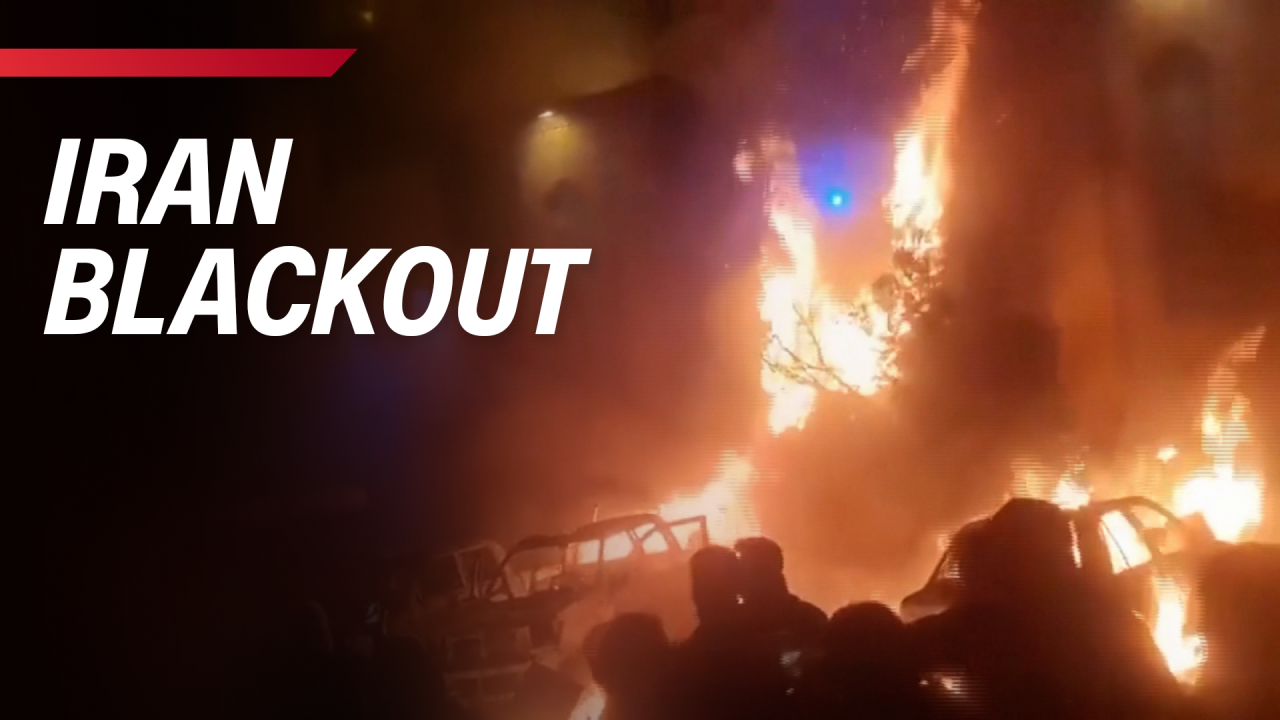
Protests in Iran have entered a critical phase as the country experiences its second day of an internet blackout, a move implemented by authorities to suppress ongoing anti-government demonstrations. The unrest, which has persisted for over ten days, was sparked by rising inflation and widespread discontent with the ruling conservative leadership.
Reza Pahlavi, the son of Iran’s last monarch, has called for a two-day nationwide strike beginning Saturday, December 30, 2023. In a video message posted on social media platform X, Pahlavi urged workers in key sectors such as transportation, oil, and gas to join the strike. He emphasized the importance of reclaiming public spaces, encouraging protesters to take to the streets with national symbols and flags. “The goal is to prepare to seize city centers and hold them,” he stated, referencing recent protests that he claims have sent a strong signal to Iran’s leaders.
The 83-year-old exiled figure, who was only 16 when the Islamic Revolution ended his father’s 40-year reign, remains a controversial figure within Iran. His influence and popularity among the Iranian populace are subjects of debate, with many questioning the extent of his support as protests evolve.
As the protests unfolded, the Iranian government imposed an internet blackout that has now lasted over 36 hours. According to the watchdog organization NetBlocks, authorities cut off internet and telephone access following mass demonstrations in the capital, Tehran. The organization reported that the blackout continues to restrict communication, making it difficult for Iranians to contact friends and family during this tumultuous period. “It’s now 8:00 am in #Iran where the sun is rising after another night of protests met with repression,” NetBlocks noted in a Telegram update on December 30.
The protests, which first erupted on December 28, are characterized by a growing frustration over economic hardships and a reaction against the violent tactics of security forces. As the situation develops, the government’s efforts to stifle communication and suppress dissent will be closely monitored by both domestic and international observers.
The combination of Pahlavi’s call for a strike and the ongoing internet blackout signifies a potential escalation in the protests, with many citizens expressing their resolve to challenge the status quo. As events unfold, the international community will remain attentive to the actions of both protesters and authorities in Iran.