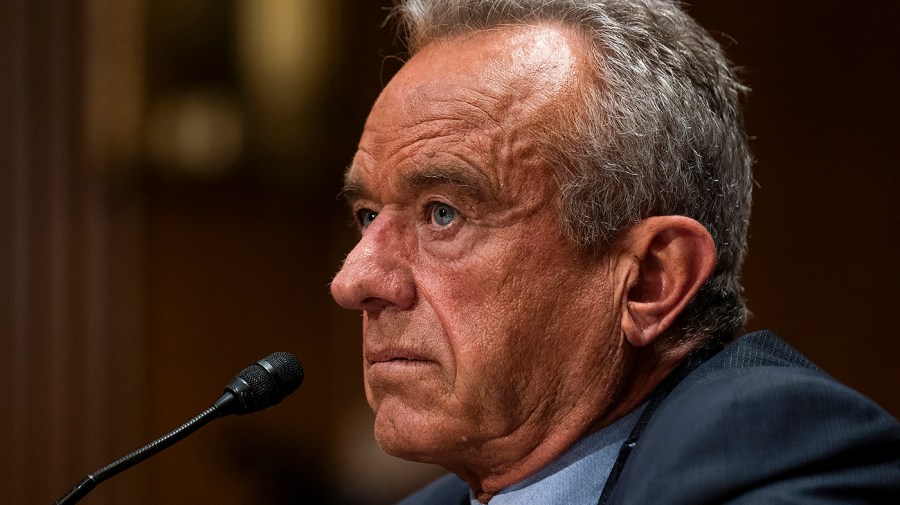
Changes to the childhood vaccine schedule proposed by Robert F. Kennedy Jr., the Health Secretary, have prompted renewed discussions about state school vaccination requirements. Traditionally, state health departments align their policies with the guidelines set by the Centers for Disease Control and Prevention (CDC), which schools then implement. However, the recent politicization of vaccines under Kennedy’s administration suggests that states may adopt varied approaches in the future.
As this shift unfolds, it raises questions about how vaccination policies will be managed at the state level. The CDC’s recommendations have long served as a cornerstone for public health initiatives, influencing the vaccination requirements that schools enforce across the nation. With Kennedy’s modifications, which reflect his controversial stance on vaccine safety and efficacy, the potential for a fragmented system becomes apparent.
Implications for State Standards
The response from state health departments varies, with some expressing concern over the implications of diverging from the CDC’s established guidelines. Many experts warn that inconsistent vaccination policies could jeopardize public health, especially as vaccination rates are critical in preventing outbreaks of preventable diseases.
In recent years, some states have already begun to push back against CDC recommendations, advocating for parental choice and vaccine exemptions. With Kennedy’s new approach, it is likely that more states will seek to create their own standards, resulting in a patchwork of regulations that could confuse parents and impact children’s health.
The debate surrounding vaccine requirements is not merely a bureaucratic issue; it has direct implications for public health. Schools serve as key environments for disease transmission, and maintaining high vaccination rates is essential to protect vulnerable populations, including infants and individuals with compromised immune systems.
Political Dynamics and Public Health
Kennedy’s actions reflect broader political dynamics around health policy in the United States. The increasing polarization of vaccine discourse has led to tensions between public health advocates and those who question vaccine safety. Advocacy groups on both sides are mobilizing to influence state policies, resulting in a highly charged atmosphere surrounding vaccination mandates.
Public health officials are urging states to maintain adherence to CDC guidelines to ensure a united front against vaccine-preventable diseases. The CDC has consistently emphasized the importance of vaccines in safeguarding community health, asserting that the benefits significantly outweigh the risks.
As discussions continue, the outcome of Kennedy’s changes will likely shape the future of vaccination policies in schools across the country. Parents, educators, and health professionals are watching closely, as the consequences of these decisions could have lasting effects on public health and the educational landscape.
In summary, the alterations to the childhood vaccine schedule introduced by Robert F. Kennedy Jr. present significant challenges for state health departments and school vaccination requirements. The potential for a fragmented approach raises concerns about public health, making it imperative for stakeholders to engage in constructive dialogue as this situation evolves.