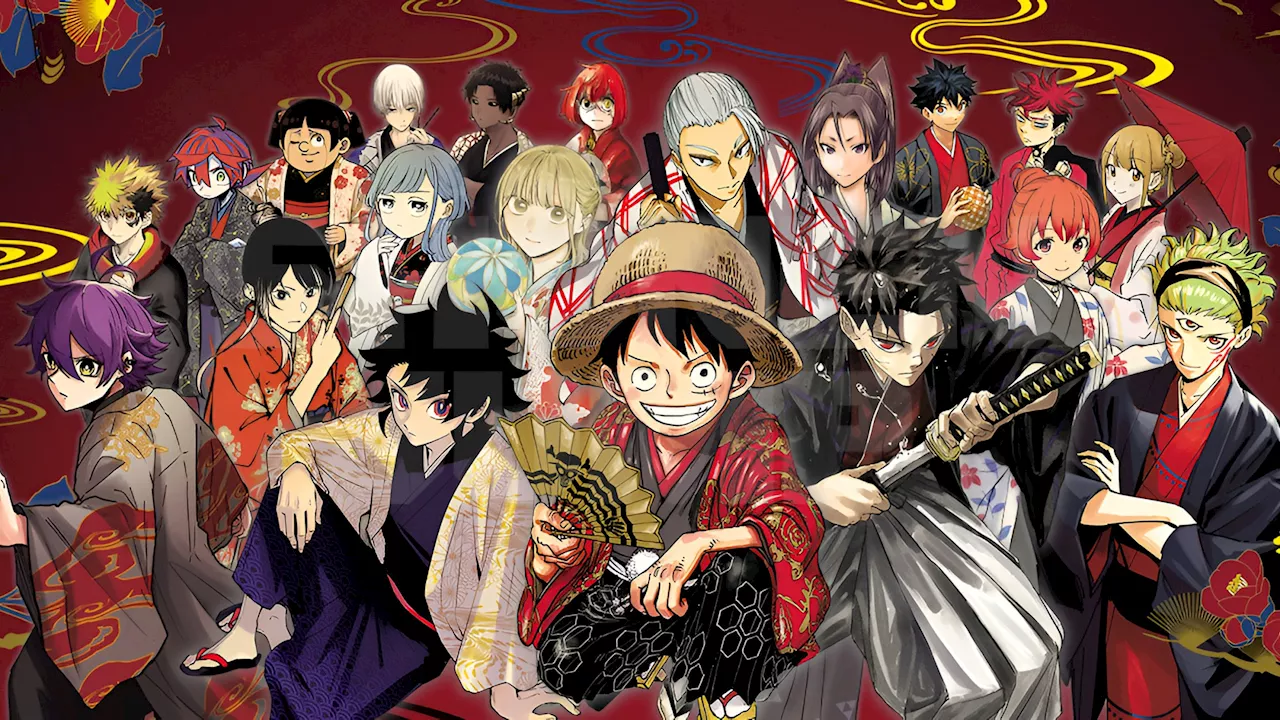
The success of the Weekly Shōnen Jump (WSJ) manga magazine has profoundly affected the anime industry, establishing it as an essential player in the world of manga adaptations. Numerous popular series have originated in WSJ, gaining immense popularity through their anime adaptations. However, not all adaptations have met fan expectations, leading to notable disappointments for some beloved titles.
WSJ has become the best-selling manga magazine of all time, maintaining its top position by continuously delivering hit series that redefine modern shonen. With acclaimed titles gracing its pages, the magazine has propelled several stories into the mainstream, significantly impacting the anime landscape. Yet, despite its success, even well-known manga have faced adaptation failures that left fans frustrated.
One prominent example is the adaptation of a critically acclaimed manga known for its gripping mystery and intense art style. This series, which won the Shogakukan Manga Award in 2018, impressed readers with its storytelling. Unfortunately, the anime adaptation produced by CloverWorks fell short of expectations. Although the first season made only minor alterations, the second season, released in 2021, diverged significantly from the source material. Fans expressed their disappointment, leading to ongoing jokes about the story never receiving a proper continuation.
In January 2026, a popular streaming platform announced a list of upcoming anime series. Among the additions are titles such as Black Bullet, Kamigami no Asobi, and The Comic Artist and His Assistants. This list reflects a dynamic strategy to keep content fresh, although many fans are concerned about the removal of series from the platform. The adaptations highlight both the successes and failures of the anime industry as it continues to evolve.
Despite the lack of a sequel for the aforementioned series, which wrapped up its storyline in the second season, it remains a highly recommended title. The adaptation’s divergence from the original manga was significant, with key arcs omitted and changes that altered the essence of the story. Nevertheless, fans can still access the manga through various platforms, including Crunchyroll, Hulu, and Disney+. The complete story concluded in 2020, and readers can find all chapters on the official apps for Manga Plus and Shonen Jump. The physical and digital copies of all 20 volumes are also available through Viz Media.
As the anime landscape continues to shift, the impact of WSJ remains undeniable. The magazine’s legacy is built on both its successes and the lessons learned from less successful adaptations. As new titles emerge and existing series evolve, fans will undoubtedly remain vigilant for the next big hit or potential disappointment in the world of anime adaptations.