Following a decline in political relations between the United States and Canada, Canadian airlines have reduced their flight capacity to the US by approximately 10%. This adjustment, reported by The Globe and Mail, reflects a significant decrease in demand for travel to the US, attributed to rising anti-American sentiment among Canadian travelers. The cut in capacity is particularly notable for leisure destinations such as Florida and Las Vegas.
Capacity Reductions and Their Impact
For the first quarter of 2026, Canadian airlines have collectively reduced their overall capacity to the United States by about 450,000 seats, translating to a daily cut of roughly 5,000 seats. This reduction also represents a 4% decrease in international flight capacity from Canada. Airlines are focusing their cuts on popular leisure destinations, including Orlando, Miami, and Las Vegas, which have traditionally attracted Canadian travelers seeking warm-weather escapes.
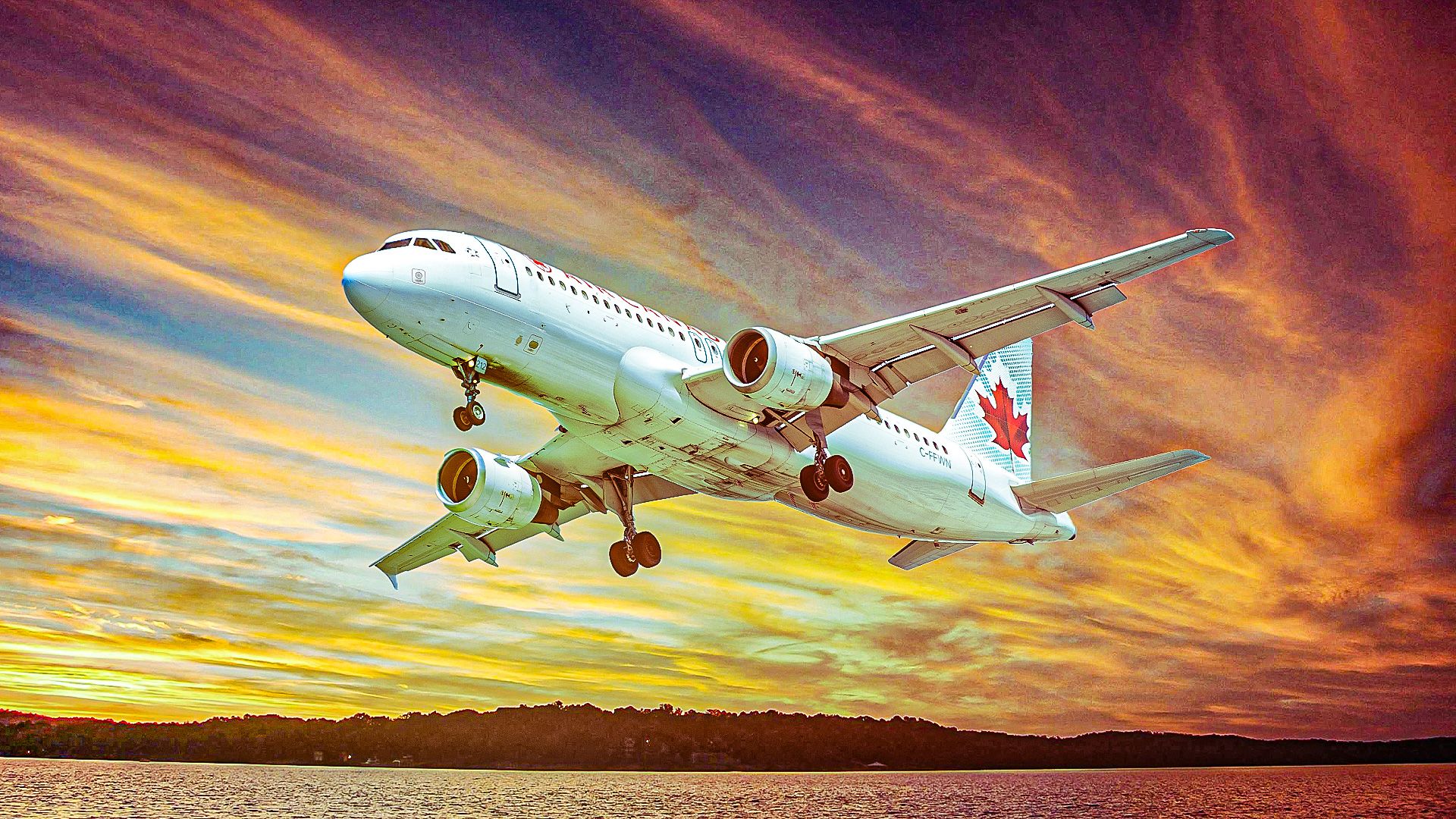
Notably, Air Canada, the country’s flag carrier, has implemented a capacity reduction of around 7%, which is relatively moderate considering its full-service model that relies less on leisure travelers. In contrast, WestJet, a hybrid carrier, has cut its US capacity by approximately 20%. Flair Airlines, an ultra-low-cost carrier targeting leisure travelers, has seen the most drastic reduction, slashing its capacity to the US by nearly 60%.
Reallocation of Capacity and Travel Trends
While the US remains a significant market for Canadian airlines, the shift in demand is prompting a reallocation of resources. Travelers are increasingly showing interest in destinations outside the US, particularly in Latin America. Countries such as Costa Rica and popular Mexican cities like Cancun are experiencing heightened demand, leading airlines to enhance their offerings to these locations.
The preference for domestic travel is also growing, even though Canada lacks warm-weather destinations comparable to those in Florida. Flights from Canada to the US are typically short and operated by narrowbody aircraft, allowing airlines to easily adjust their schedules and crews to meet changing demands.
As a result of these capacity cuts, prices for flights to the United States are expected to rise, while the number of available schedule options may decrease. Conversely, increased capacity to Latin America and domestic routes may result in stable or declining fares for those destinations, making them more accessible to travelers.
Overall, the airline industry in North America is witnessing evolving travel trends, with legacy carriers in the US performing well, particularly in international markets. However, domestic travel has seen diminished momentum, partly due to economic uncertainties affecting business travel. Notably, in 2025, more Americans crossed the border into Canada than Canadians traveling to the US, signaling a reversal of long-standing trends.
As political relations continue to influence travel preferences, Canadian airlines are adapting to the changing landscape, reorienting their services to meet the shifting demands of travelers. The coming months will likely reveal further adjustments as airlines respond to these dynamics.