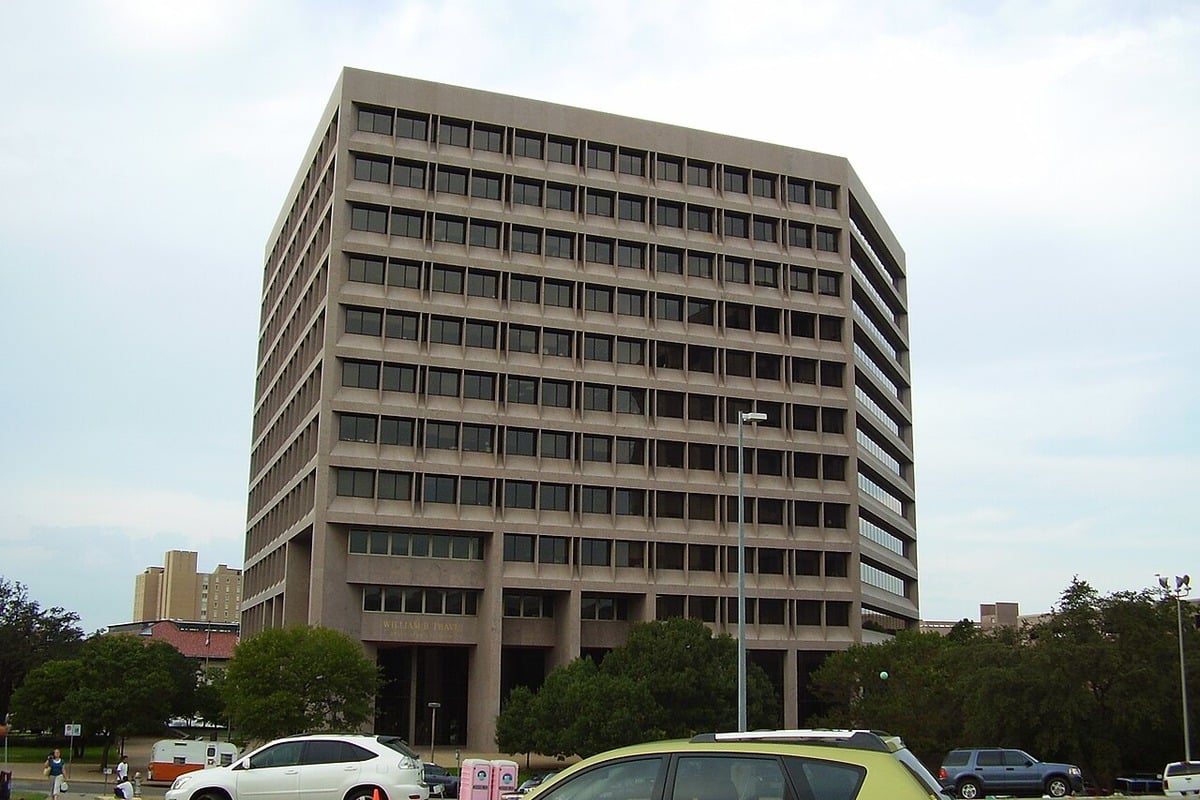
Texas teachers are standing up to state authorities in a federal lawsuit challenging new regulations on their social media activity. The case, filed on January 6, 2023, in the U.S. District Court in Austin, questions the extent to which the Texas Education Agency (TEA) can monitor educators’ online speech outside of working hours.
The lawsuit stems from a directive issued in September 2022 by the TEA, instructing superintendents to report educators’ social media posts related to the assassination of conservative activist Charlie Kirk. This directive has raised concerns over the potential for state overreach into the personal lives of teachers, particularly regarding their freedom of expression when not engaged in school duties.
Mike Morath, the Texas Education Commissioner, sent a letter to district leaders suggesting that posts deemed “reprehensible and inappropriate” could violate the Educators’ Code of Ethics. The letter further emphasized that comments inciting violence would not be protected. As a result, the Texas American Federation of Teachers (Texas AFT) claims the directive has led to a “wave of retaliation,” with over 350 complaints filed against educators, and 95 investigations ongoing as of early January.
Legal Implications and Framework
Legal experts anticipate that the case will hinge on two critical questions: whether the teachers were acting as private citizens when making their comments and whether their speech caused sufficient disruption to warrant punitive measures. This framework is based on precedents established by the U.S. Supreme Court in cases such as Pickering v. Board of Education and Garcetti v. Ceballos, which shape the landscape of public employee speech.
Local legal scholars highlight that the state must demonstrate a significant disruption to justify disciplinary action against off-duty speech. Given this standard, similar social media posts could yield vastly different legal outcomes based on the reactions of individual school communities.
Political Context and Reactions
This lawsuit arrives at a time when Texas state leaders, including Governor Greg Abbott and Lieutenant Governor Dan Patrick, are actively promoting conservative initiatives in public schools. In December 2022, they announced plans to expand chapters of Turning Point USA in Texas high schools, a move critics argue intensifies partisan politics on campuses and puts educators at greater risk for speaking out.
Union officials assert that Morath’s directive appears to be selectively enforced and politically motivated. In contrast, state officials maintain that their focus is on speech that crosses the line into incitement of violence.
The union seeks a judicial order to retract the September letter and to cease all investigations stemming from it. If the court sides with the Texas AFT, it could lead to the closure of numerous active probes. Conversely, a ruling in favor of the state could leave teachers’ private online comments subject to scrutiny and potential professional consequences.
As the case unfolds in U.S. District Court, it is expected to take several months for motions and discovery to be resolved. The TEA has refrained from commenting on the ongoing litigation. The outcome may significantly clarify the boundaries of what the state can regulate regarding teachers’ speech outside of their professional roles, a matter that could have far-reaching implications for educators across Texas.