UPDATE: Latest Australian inflation data shows a drop to 3.4% for November, raising speculation for a potential interest rate hike at the 3 February Reserve Bank of Australia (RBA) meeting. This urgent development underscores the ongoing inflation challenges the RBA faces, despite a slight easing from 3.8% in October.
The newly released data indicates that while headline inflation has decreased, core inflation remains stubbornly high. The trimmed mean reading, which the RBA prioritizes, only fell marginally from 3.3% in October to 3.2% in November. With a 0.3% increase month-on-month in this measure, the RBA must weigh its next moves carefully.
Housing costs are a significant concern, with new dwelling prices soaring by 2.8% and rents increasing by 4.0%. Even food prices remain elevated, holding at 3.3% since June. These persistent price pressures complicate the RBA’s decision-making process as it assesses the need for policy intervention.
Market analysts reflect a divided outlook on the RBA’s upcoming decisions. Current projections assign roughly 35% odds to a rate hike in February, with major banks like Commonwealth Bank of Australia (CBA) and National Australia Bank (NAB) anticipating action. Conversely, Westpac and ANZ believe the RBA may maintain rates for an extended period, although risks remain on both sides.
With the RBA acknowledging a revived inflation issue, the upcoming 28 January report detailing the December quarter will be pivotal. This data will ultimately inform whether inflation remains “sticky” and necessitates a rate increase.
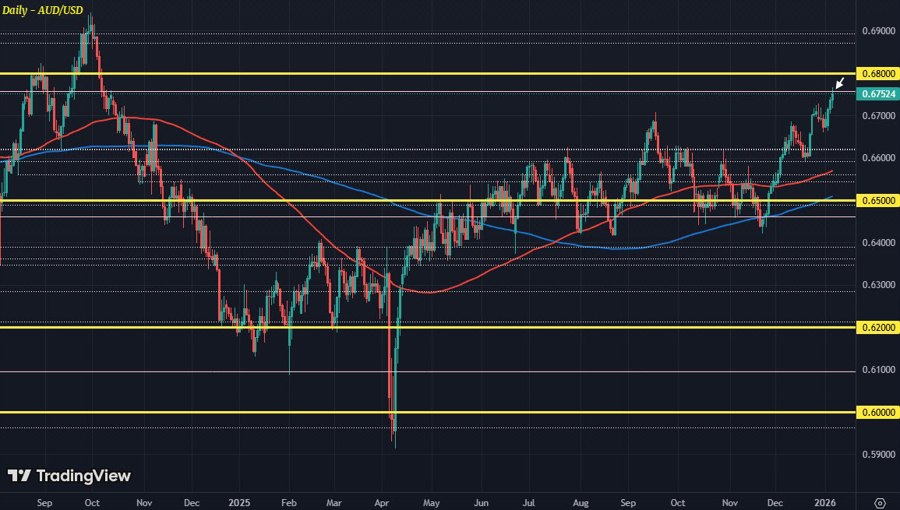
In the currency markets, the Australian dollar (AUD) is trading bullishly, reaching levels not seen since October 2024. Price action indicates resilience, with the AUD/USD pair maintaining stability above key moving averages. The market awaits further developments, especially with the US labor market report expected later this week, which could influence global sentiment.
As inflation concerns linger, Australian consumers and businesses are closely monitoring the RBA’s next moves. The potential for higher borrowing costs looms, impacting mortgages and loans. The RBA’s decisions will not only shape economic policy but could also significantly affect everyday Australians, making the upcoming reports essential to watch.
Stay tuned for updates as the economic landscape continues to evolve in response to these inflation trends. The RBA’s next steps are crucial, and the implications for both the economy and the Australian dollar are immediate and significant.