The Centers for Disease Control and Prevention (CDC) has revised its childhood vaccine schedule, now recommending vaccinations for only 11 diseases instead of 18. This change has provoked significant discussion among healthcare professionals and parents alike, with many advocating for adherence to the previous guidelines.
The updated recommendations, announced recently, align more closely with those in Denmark. However, pediatricians express concern that the alterations could undermine public health efforts. Dr. Stephen Turkovich, President of Golisano Children’s Hospital in Buffalo, New York, emphasized the importance of maintaining the former vaccine schedule, which he describes as evidence-based.
According to Dr. Turkovich, “My recommendation and the American Academy of Pediatrics’ recommendation is to actually not change anything.” The CDC’s new guidelines no longer advocate for vaccines against the flu, rotavirus, hepatitis A and B, certain forms of meningitis, and RSV, limiting these vaccines to specific high-risk groups or requiring shared clinical decision-making between doctors and parents.
The implications of these changes have raised alarms among many in the medical community. Dr. Turkovich highlighted the impact of the RSV vaccine, stating, “Two, three years ago, if you came to Children’s Hospital, we would be overwhelmed with patients, both in the emergency room and on the floors.” He noted a significant improvement in patient numbers, saying, “right now, we have open beds on the floors. It’s remarkable. It’s great to see babies home, healthy, and safe.”
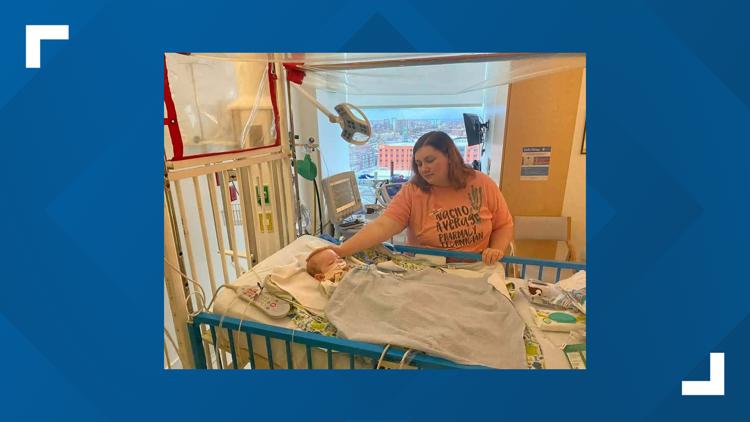
Parents like Lauren Ingrao are also vocal about their concerns. Ingrao’s twins are currently three years old, but when they were just two months old, the RSV vaccine was newly introduced, and her children did not qualify for it. One of her twins ended up in the pediatric intensive care unit (PICU) on a ventilator due to RSV, COVID, and pneumonia. Ingrao shared her experience, stating, “Yeah, that was difficult and he found receiving all of his feeds through the tube in his nose.”
Ingrao further elaborated on the challenges her family faced, explaining, “When we got discharged, we couldn’t even go home because his twin sister had RSV too… so we had to stay separate for another week.” Fortunately, both twins recovered and are now thriving. Ingrao is a strong advocate for vaccination, stating, “I’m all for vaccines… I’d rather have autistic kids than dead kids any day.”
The Trump administration has expressed that the revised vaccine schedule aims to restore trust in public health initiatives. Additionally, officials have confirmed that insurance companies will continue to cover the childhood vaccines previously included in the schedule.
As the debate continues, it remains critical for parents to consult healthcare professionals regarding vaccinations to ensure the best health outcomes for their children. The evolving landscape of childhood immunization underscores the importance of informed decision-making based on credible medical advice.